Quick facts
- Hydro jetting uses pressurized water directed through a plumbing line to remove material collected along the pipe walls.
- Snaking is often the practical choice when a blockage is limited to one fixture.
- Even products labeled as flushable can block a sewer line, so they should not be treated as a safe substitute for toilet paper.
- A line with existing damage or deterioration may not be an appropriate candidate for the same cleaning approach used on a sound pipe.
Hydro jetting vs snaking is an important distinction for homeowners dealing with clogged drains, recurring backups, or slow-moving sewer lines. Both methods can clear blockages, but they work differently and are suited to different plumbing problems.
A drain snake may be all that is needed to remove a simple obstruction, such as hair collected in a bathroom sink. However, when grease, tree roots, or buildup along the inside of a pipe are causing trouble, hydro jetting may provide a more complete solution.
Understanding How Drain Snaking and Hydro Jetting Work
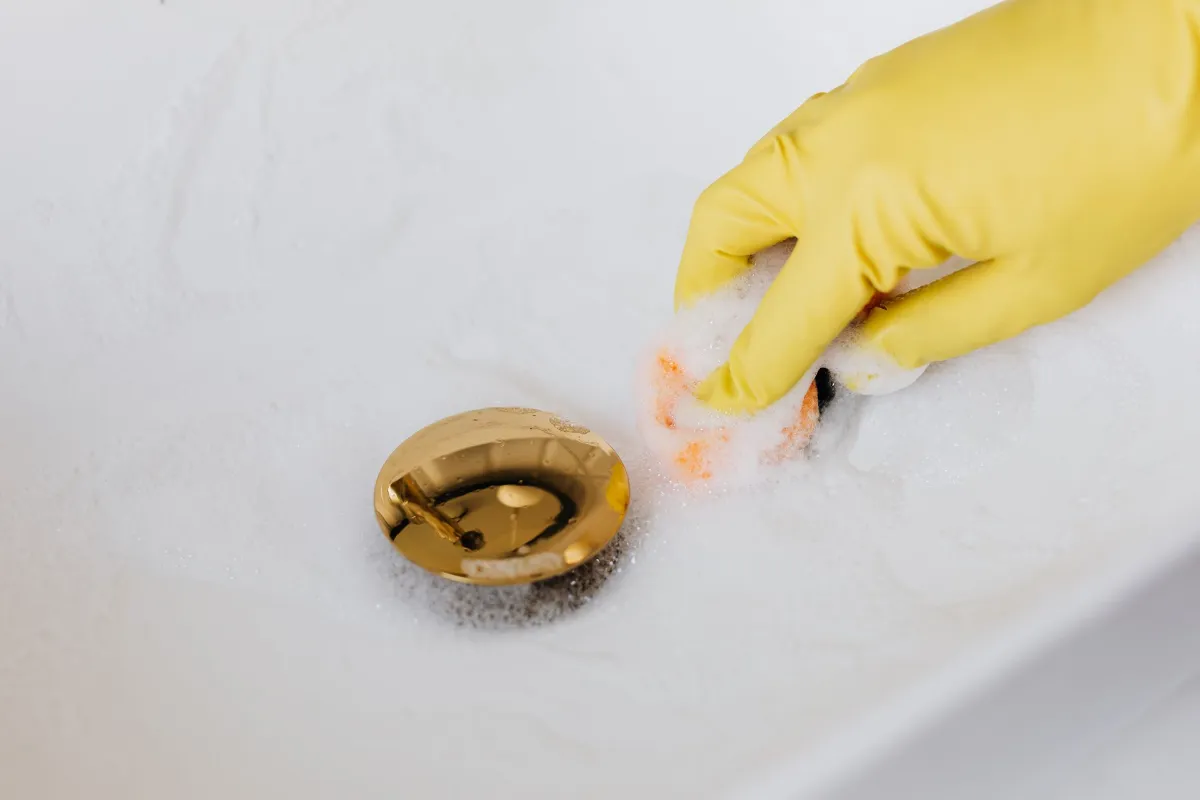
Drain snaking and hydro jetting are two methods plumbers use to address clogged pipes. The main difference is how they remove the blockage and what happens to the material that has collected inside the line. One creates an opening through the obstruction, while the other cleans buildup from the pipe walls.
How Drain Snaking Removes a Blockage
A drain snake, also called a plumbing cable, is a flexible tool that travels through a pipe until it reaches the obstruction. The cable works through the clog, breaking it apart or creating an opening that allows wastewater to move through the drain again. This makes snaking useful for many common household blockages that prevent water from draining properly.
For example, a bathroom sink that drains slowly because of accumulated hair may only need a cable to restore normal drainage. The snake can break through the material blocking the pipe without requiring a more involved cleaning method.
How Hydro Jetting Cleans the Inside of a Pipe
Hydro jetting uses pressurized water directed through a plumbing line to remove material collected along the pipe walls. Instead of simply making a passage through the obstruction, the water scours the interior surface and flushes loosened material farther down the line. This can remove grease, roots, and other buildup that a drain cable may leave behind.
The difference matters because a pipe can begin draining again without being completely clean. If grease or roots remain attached to the interior surface, wastewater may pass through temporarily while the underlying problem continues. Hydro jetting addresses more of that remaining material, making it particularly useful when the blockage involves buildup throughout the line rather than one isolated obstruction.
Choosing the Right Method for Different Types of Clogs
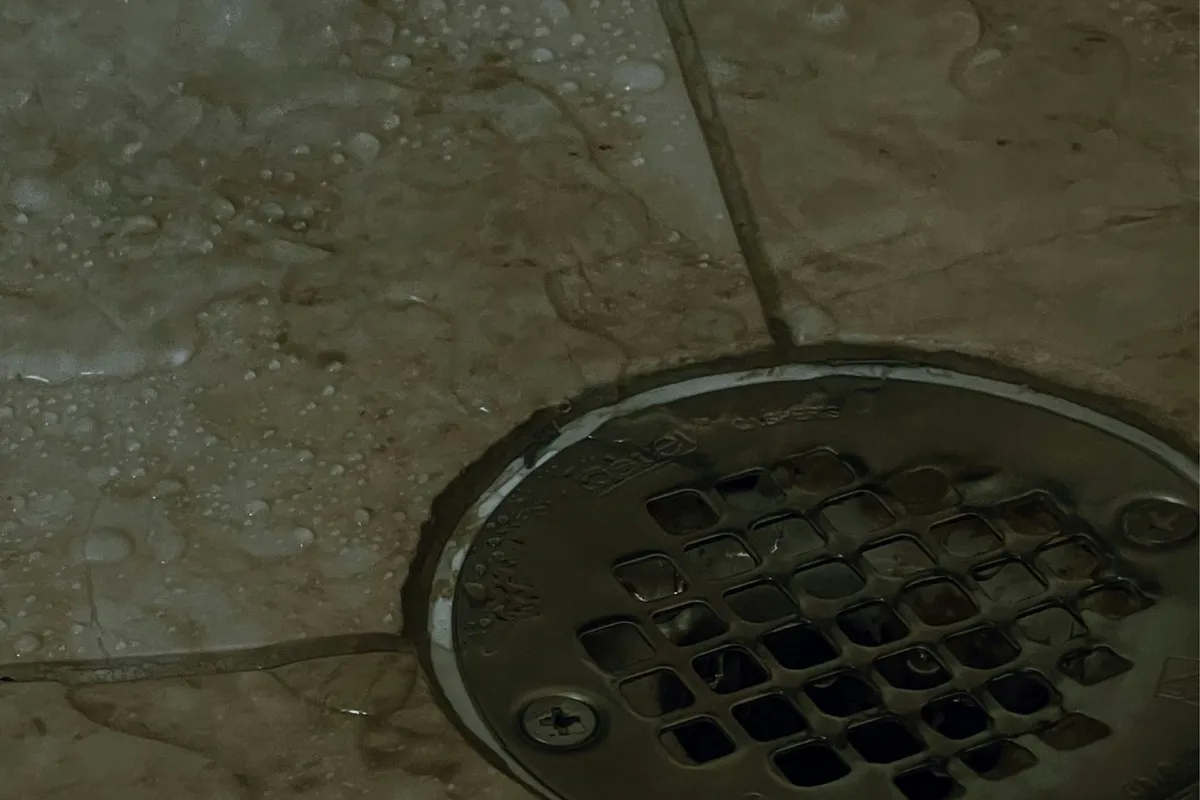
When weighing hydro jetting vs snaking, the appropriate cleaning method depends on what is blocking the pipe, where the obstruction is located, and whether the problem has happened before. A simple sink clog does not automatically require hydro jetting, while recurring sewer problems may need more thorough cleaning. The goal is to match the method to the actual condition of the plumbing.
Clogs That Usually Respond to Snaking
Snaking is often the practical choice when a blockage is limited to one fixture. A tub drain slowed by soap and hair, a toilet clogged with too much paper, or a laundry drain that backs up on its own are typical examples. In these situations, opening the blockage can restore drainage without the need to scour the entire pipe.
Most clogs never need hydro jetting, and a cable can resolve many everyday drainage issues. If a bathroom sink has one hair clog, for example, Bergheim Plumbing will tell the homeowner when a snake is all that is needed rather than recommending a more extensive service unnecessarily.
Clogs That Often Require Hydro Jetting
Grease, tree roots, and recurring blockages are situations where hydro jetting may be the better option. Grease can collect along the inside of kitchen drain and sewer pipes, gradually restricting the space available for wastewater to pass. Roots can also enter older sewer lines and create obstructions that return after a cable has temporarily opened the passage.
A blockage affecting the main sewer line may require a more thorough cleaning approach, particularly when multiple drains are backing up inside the home. Hydro jetting can help remove the grease and root material that remains along the pipe walls after a cable has passed through. It is also useful when the same drain keeps clogging because the original snaking service may have opened a path without removing the material responsible for the recurring problem.
Recognizing When a Drain Problem Needs More Thorough Cleaning
The location, frequency, and severity of drainage problems can help homeowners understand what may be happening inside their plumbing. A single slow sink is different from several fixtures backing up at the same time. Recognizing these differences can help you respond before a developing sewer blockage becomes a more disruptive problem.
Warning Signs of a Main Sewer Line Blockage
When several drains begin backing up, the obstruction may be in the main sewer line rather than an individual fixture drain. Wastewater from different parts of the home travels through connected plumbing before reaching the main line, so a blockage there can affect multiple drains. Gurgling toilets and recurring drainage problems can also indicate that wastewater is having difficulty moving through the system.
Sewage coming up through a drain is the most serious sign, so stop using water, do not flush toilets, and call a plumber right away. The plumbing emergency guide explains which other situations need immediate attention. Other signs to watch for include:
- Every drain backing up or several fixtures draining poorly
- Toilets gurgling when water is drained elsewhere
- The same drain clogging again after previous cleaning
- Sewer odors developing inside the home
- Slow drainage affecting multiple areas of the house
Household Habits and Conditions That Contribute to Blockages
Kitchen grease is a common contributor to sewer problems because it changes as it cools inside plumbing. Liquid grease may initially move through a drain, but it can turn solid and attach to the pipe walls as temperatures change. Over time, additional grease and other debris can collect around the buildup and gradually restrict the line.
The Environmental Protection Agency identifies grease as the most common cause of reported sewer blockages. Household habits can also contribute to recurring problems, particularly when wipes are flushed down the toilet. Even products labeled as flushable can block a sewer line, so they should not be treated as a safe substitute for toilet paper.
How Plumbers Determine Whether Hydro Jetting Is Appropriate
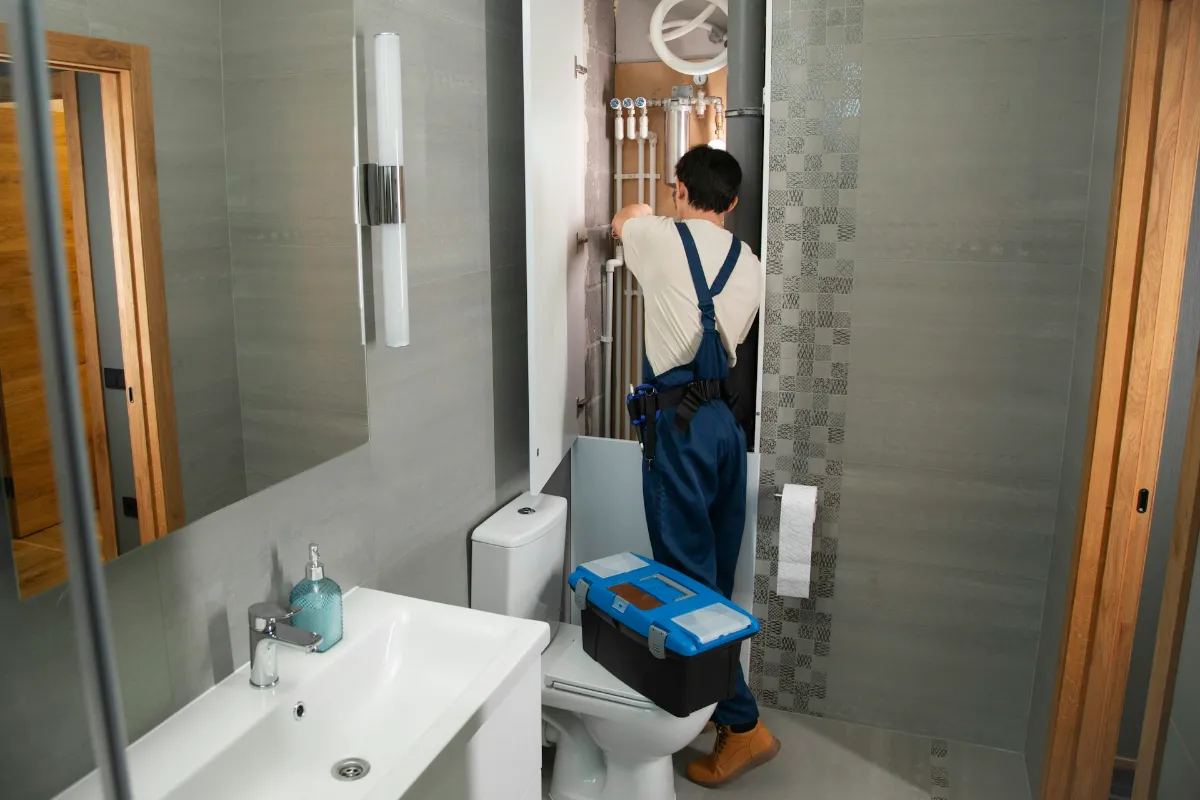
Hydro jetting is not automatically the right solution for every blocked drain. Before choosing this method, a plumber needs to understand what is causing the obstruction and whether the pipe is suitable for the cleaning process. Bergheim Plumbing owns its jetting machines, which ride on the trucks out of Spring Branch, but the line is looked at first so the plumber knows what is being jetted and that the pipe can take it.
Evaluating the Blockage and Pipe Condition
A plumber should look at the line before deciding to use hydro jetting. This initial assessment helps identify the blockage, understand what material needs to be removed, and determine whether the pipe can handle the cleaning process. Grease buildup, root intrusion, and recurring restrictions may point toward jetting, but the condition of the line still needs to be considered.
Pipe condition is especially important in older homes and sewer systems. A line with existing damage or deterioration may not be an appropriate candidate for the same cleaning approach used on a sound pipe. Applying a cleaning method without first considering the condition of the plumbing can create unnecessary problems, which is why the decision should be based on the actual line rather than the assumption that every clog needs high-pressure water.
What Happens During a Hydro Jetting Service
A hydro jetting service begins with an assessment of the plumbing line to locate the obstruction and check whether the pipe is suitable for jetting. When the home has an accessible cleanout, the plumber can use that access point to reach the line rather than tearing up the floor to get to the blockage. The method of access depends on the home's plumbing arrangement and the location of the problem.
Once the line has been assessed, the jet is run through the obstruction to loosen and flush away accumulated grease and roots. The plumber then takes another look at the line to confirm that the blockage has been cleared. Homeowners should also receive straightforward guidance about preventing another buildup, including keeping grease and wipes out of the plumbing system.
Preventing Recurring Drain and Sewer Line Problems
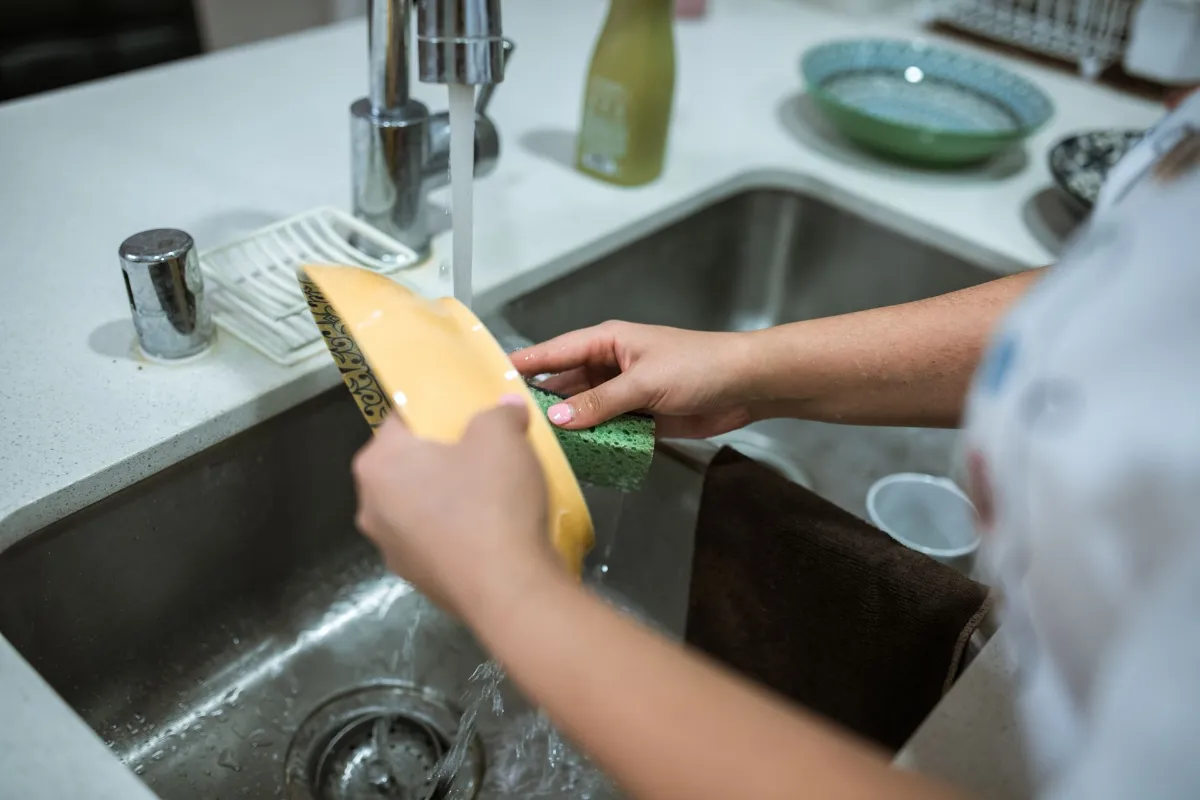
Professional drain cleaning can address an existing obstruction, but household habits also influence how quickly buildup returns. Grease, wipes, and other materials that do not belong in plumbing can gradually restrict a line even after it has been cleaned. A few consistent precautions can help homeowners reduce the likelihood of another blockage.
Keeping Grease and Waste Out of Household Drains
Running hot water while pouring grease down the sink does not prevent the material from collecting farther along the pipe, because the grease cools again once the water does. The safer habit is to keep grease out of the drain from the start, especially in kitchens that often cook with bacon, frying oil or roasting drippings.
Homeowners can reduce this risk by changing how they dispose of everyday household waste. Practical habits include:
- Allow cooking grease to cool before disposing of it in the trash
- Wipe greasy pans and dishes before washing them
- Avoid pouring cooking oils and fats into kitchen sinks
- Place wipes in a waste bin instead of flushing them
- Pay attention to slow drainage rather than ignoring it
- Arrange an assessment when the same drain repeatedly becomes blocked
Responding Early When Drainage Problems Return
A drain that becomes slow again shortly after cleaning deserves attention because the original obstruction may not have been completely removed. Snaking can restore drainage by creating an opening through the clog, but remaining grease or roots may continue collecting material. Repeatedly treating the same symptoms without identifying the cause can allow the underlying problem to persist.
Homeowners should pay attention to whether the issue affects one fixture or several areas of the house. A single slow bathroom sink may need routine drain cleaning, while multiple backups can indicate a main sewer line restriction that requires a different approach. The drain cleaning services offered by Bergheim Plumbing address household drainage problems, while hydro jetting services provide a more thorough option when grease, roots, or recurring blockages are involved.
Schedule Drain Cleaning or Hydro Jetting With Bergheim Plumbing
Addressing recurring drainage problems early can help homeowners identify the cause of a blockage before it develops into a more disruptive sewer backup.
Bergheim Plumbing provides drain cleaning, hydro jetting, and main sewer line service for homeowners throughout Spring Branch, Bergheim, Boerne, Bulverde, New Braunfels, and surrounding Texas Hill Country communities.
Whether you need help with a recurring drain clog, grease buildup, or a blocked main sewer line, professional service can help identify the appropriate solution.
Visit Bergheim Plumbing to schedule hydro jetting or request assistance with a clogged drain or sewer line.
Frequently asked questions
Is Hydro Jetting Better Than Snaking for Every Clog?
No. Snaking is often sufficient for simple, localized blockages such as hair collected in a bathroom sink, while hydro jetting is more appropriate for grease, roots, and recurring restrictions. The best method depends on the obstruction and the condition of the pipe.
Why Does a Drain Clog Again After Snaking?
A drain may clog again because the cable created an opening through the obstruction without removing all the material attached to the pipe walls. Grease and roots can remain inside the line, allowing another blockage to develop. Hydro jetting may be more effective when this type of buildup is responsible for repeated problems.
Can Hydro Jetting Clear Tree Roots From a Sewer Line?
Hydro jetting can remove root material that has entered a sewer line and is contributing to a blockage. However, the plumber must first evaluate the pipe to determine whether it can handle the cleaning process. Removing the obstruction does not necessarily correct the underlying point of root entry.
Does Hydro Jetting Cost More Than Snaking?
The price depends on the length of the line, what is in it and how it is reached, so jetting a long main line full of grease or roots is usually more involved than cabling one sink. Bergheim Plumbing gives one price before any work starts, so homeowners can decide how to proceed.

About the author
David Engel, owner, Bergheim Plumbing
David Engel started Bergheim Plumbing in Spring Branch in 1998 and holds Texas master plumber license M-36766. His son Colton works the trucks with him.