Quick facts
- Before making a decision, homeowners should understand the extent of the problem and whether the proposed repair addresses the underlying cause.
- A repair may make sense when the water heater has consistently met the household's needs and has not experienced recurring operating problems.
- A confirmed leak from the internal storage tank is one situation in which replacement is generally necessary.
- Water heater age is an important consideration, but it should not be treated as an automatic replacement deadline.
- Homeowners should compare the condition of the current water heater, the work required, and the likelihood that the chosen solution will provide dependable service.
When a water heater develops a problem, homeowners often face an important question: should the existing unit be repaired or replaced? A repair may resolve the issue and allow the equipment to continue operating reliably, while a replacement may be more practical when problems recur or the system has deteriorated significantly.
Choosing between water heater repair and replacement involves more than the age of the equipment. The type of problem, overall condition, maintenance history, and expected reliability after repairs all matter.
For homeowners in Spring Branch and the surrounding Texas Hill Country, understanding these factors can make the decision easier. A professional assessment helps establish what is wrong with the equipment and which option makes sense for the home.
What Should You Consider Before Repairing or Replacing a Water Heater?
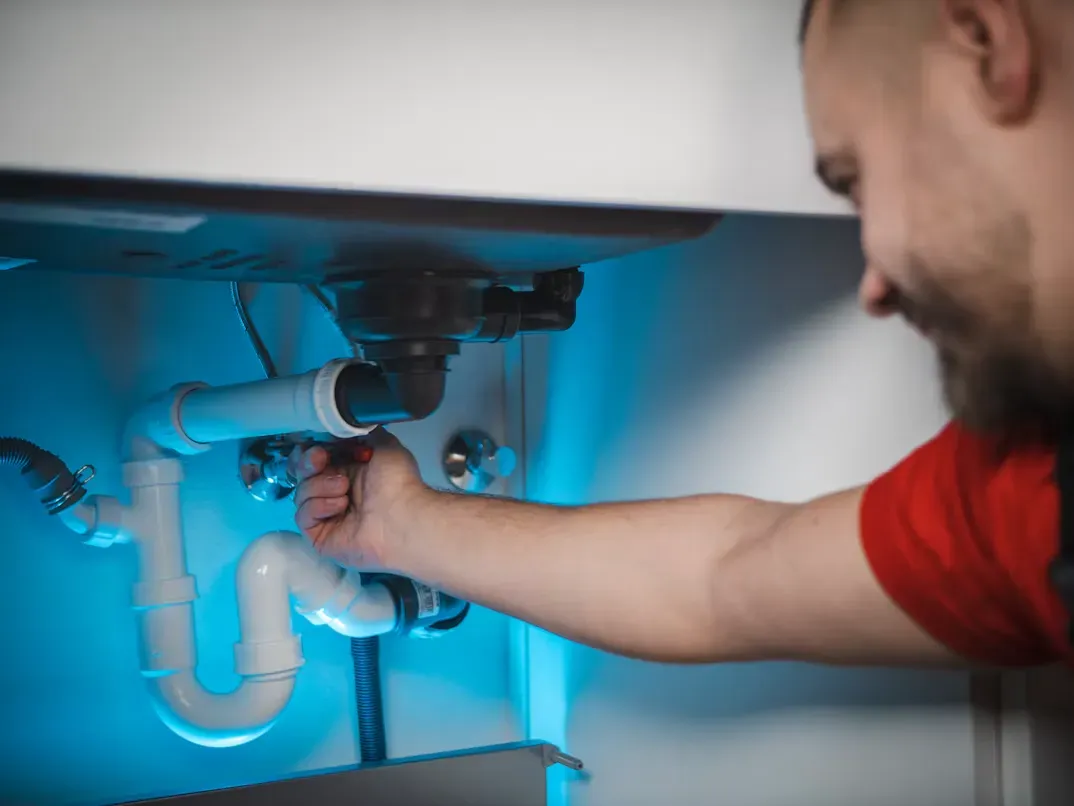
Every water heater problem is different. Some involve individual components that can be replaced, while others affect the overall reliability or safety of the equipment.
Before making a decision, homeowners should understand the extent of the problem and whether the proposed repair addresses the underlying cause.
Is the Problem Limited to One Component?
A water heater contains several components that support heating, temperature regulation, and water flow. When a serviceable part fails, repairing or replacing it may restore normal operation without requiring an entirely new water heater.
For example, certain heating elements, thermostats, valves, and controls may be replaceable depending on the equipment.
The important consideration is whether the problem is isolated. If the rest of the system remains in good condition, repairing an individual component may be a reasonable solution.
However, similar symptoms can have different causes. A plumber should identify the actual fault before recommending specific repairs.
What Is the Overall Condition of the Water Heater?
The condition of the equipment matters just as much as the component that needs attention. A water heater that has operated reliably and remains in good condition may be worth repairing, even if it has been in service for several years.
On the other hand, equipment showing significant deterioration or several developing problems may require a broader evaluation.
A professional inspection can help identify whether the issue is limited to one area or whether the system has multiple concerns that could affect future reliability.
Has the Water Heater Needed Frequent Repairs?
Occasional repairs are part of owning mechanical equipment. However, repeated service calls may indicate that a water heater is becoming less dependable.
If different components continue to fail, homeowners should consider whether another repair is likely to provide a lasting solution.
A recurring problem may also suggest that the original cause has not been fully resolved. Reviewing the equipment's recent service history can help determine whether continued repairs are practical or whether replacement deserves consideration.
When Does Water Heater Repair Make More Sense?
Repair is often appropriate when the equipment is generally reliable and the problem can be resolved by servicing or replacing a specific component. The objective is to restore safe, dependable operation without replacing equipment unnecessarily.
The Water Heater Is Otherwise Working Properly
A repair may make sense when the water heater has consistently met the household's needs and has not experienced recurring operating problems.
If a specific component fails but the overall system remains in a suitable condition, replacing that part may be enough to restore normal performance.
This is different from a heater that has developed several unrelated problems or shows substantial deterioration.
A plumber can explain whether the proposed repair addresses the complete issue and what condition the remaining equipment is in.
The Problem Has a Clear, Repairable Cause
A repair is easier to evaluate when the cause has been identified, and an appropriate service procedure is available.
Certain electrical components, controls, and plumbing connections can be serviced individually, depending on the model and the equipment's condition.
However, homeowners should avoid assuming that every operating problem has a simple solution. Repair feasibility depends on the actual fault, the availability of replacement parts, and the manufacturer's service requirements.
An accurate diagnosis helps prevent unnecessary replacement while also avoiding repairs that do not address the underlying problem.
The Repair Can Restore Dependable Operation
The most important question is not simply whether a component can be repaired. It is whether completing that repair is likely to leave the water heater operating reliably.
A localized problem on otherwise sound equipment may be a good repair candidate. If the system has several deteriorated components, a single repair may solve the immediate issue without addressing broader concerns.
Homeowners should ask what the recommended repair will accomplish and whether additional problems were identified during the assessment.
When Is Water Heater Replacement the Better Option?
Replacement may be appropriate when the water heater has sustained damage that cannot be safely repaired, when recurring failures affect reliability, or when continued servicing no longer provides a practical solution.
The decision should be based on the equipment's condition rather than assuming every problem requires replacement.
The Internal Tank Has Failed
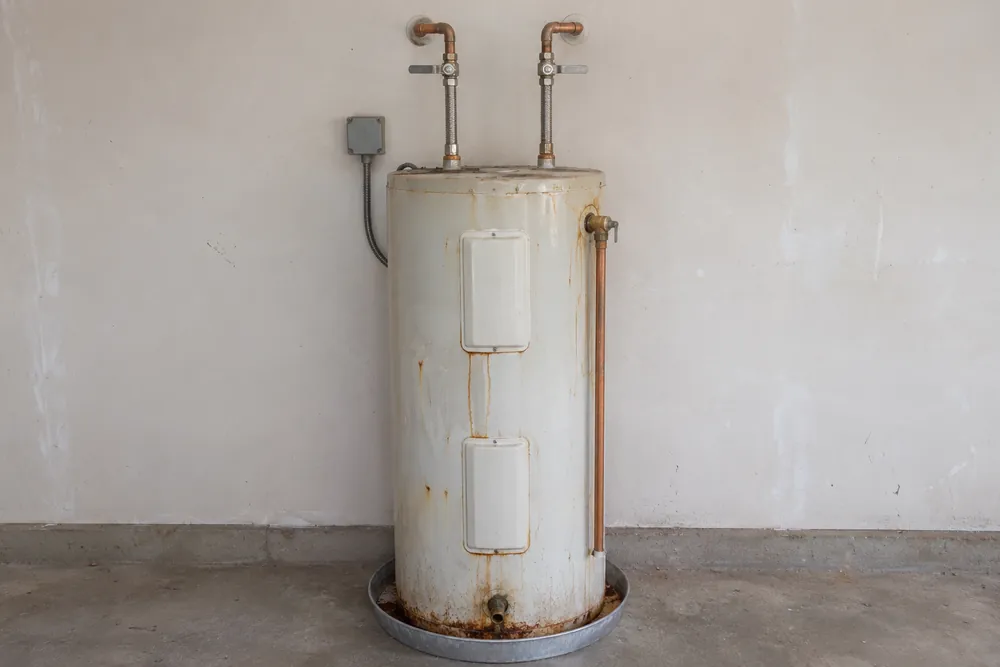
A confirmed leak from the internal storage tank is one situation in which replacement is generally necessary.
Unlike replaceable external connections or valves, the water-containing tank is an integral part of the equipment. When the vessel itself has failed, repairing external components will not restore its structural integrity.
Water around a heater does not automatically confirm internal tank failure, so the source must be identified before making that decision.
When replacement is necessary, the condition of the existing plumbing and household hot water requirements should be considered before selecting new equipment.
The Water Heater Has Multiple Significant Problems
A water heater experiencing several component failures may become increasingly difficult to maintain.
For example, a unit with recurring operating problems and other signs of deterioration may require more than one repair to restore dependable performance.
In this situation, homeowners should consider the scope of the recommended work and the likelihood of additional service needs.
Replacement may provide a more practical long-term solution when repairing individual components would leave substantial concerns unresolved.
Replacement Parts Are Difficult to Obtain
Water heaters vary in design, and some older models may use components that are no longer readily available.
When a necessary replacement part cannot be sourced or the manufacturer no longer supports the equipment, repair options may be limited.
Availability also matters when the unit is essential to daily household routines. Extended downtime while searching for compatible components may influence the decision.
A plumber can determine whether approved parts and appropriate repair procedures remain available for the specific model.
The Existing System No Longer Meets Household Needs
Sometimes replacement makes sense even when the current water heater can still be repaired. A household may have grown, daily hot water demand may have changed, or the existing equipment may no longer provide sufficient capacity.
In that situation, repairing the immediate problem would not necessarily resolve the mismatch between equipment capacity and household usage.
Replacement provides an opportunity to select a system that better accommodates current needs, provided the choice is based on an appropriate assessment of the home.
How Much Should Water Heater Age Influence the Decision?
Water heater age is an important consideration, but it should not be treated as an automatic replacement deadline. Equipment lifespan varies depending on system design, installation conditions, maintenance, water quality, and usage. Two water heaters of the same age may be in very different operating conditions.
Age Matters, but It Does Not Determine Everything
Many residential storage water heaters remain in service for a decade or longer. However, there is no single age at which every unit becomes unsuitable for repair.
An older heater with a relatively minor problem may still be a reasonable repair candidate if its overall condition supports continued operation.
Likewise, a newer unit with significant internal damage may require replacement despite having been installed more recently. Age is most useful when considered alongside the nature of the problem and the equipment's maintenance history.
Tank and Tankless Systems Have Different Considerations
Traditional storage water heaters and tankless systems are designed differently, which can influence their service life and repair requirements.
Tankless equipment may have a longer potential service life under suitable conditions, but actual longevity depends on the model, water conditions, maintenance, and availability of replacement components.
Neither equipment type should be evaluated solely by its expected lifespan. The condition of the specific unit and the work required to restore reliable operation remain the deciding factors.
Maintenance History Provides Useful Context
Knowing how a water heater has been maintained can help a plumber evaluate its current condition.
Manufacturer-recommended maintenance, previous component replacements, and records of recurring problems may provide useful information about the equipment's history.
However, a well-maintained heater can still develop an unexpected failure, and an incomplete maintenance record does not automatically mean replacement is necessary.
The purpose of reviewing maintenance history is to understand the equipment's condition more fully, not to make assumptions based on its age alone.
How Should Homeowners Compare Repair and Replacement Options?
A repair may be less involved than installing a replacement, but the best decision should consider what each option is expected to accomplish.
Homeowners should compare the condition of the current water heater, the work required, and the likelihood that the chosen solution will provide dependable service.
Consider the Scope of the Recommended Repair
A repair involving one accessible component is different from a project requiring several parts and extensive work.
Homeowners should ask whether the recommended service addresses the identified problem completely and whether other concerns remain.
When the repair is limited and the equipment is otherwise dependable, continued use may be reasonable. If the work is extensive and the overall condition is poor, replacement may deserve greater consideration.
Think About Long-Term Reliability
Immediate restoration of hot water is important, but homeowners should also consider whether the equipment is likely to operate reliably afterward.
A successful repair can restore dependable operation when the rest of the system remains in good condition. However, replacing one failed component does not eliminate normal wear elsewhere in the water heater.
Similarly, installing new equipment does not guarantee that future service will never be needed. The objective is to choose the option that reasonably addresses the current problem and supports the household's needs.
Review Warranty Coverage
Warranty coverage may influence whether repair or replacement makes sense. Depending on the equipment, certain parts or components may still be covered under a manufacturer's warranty. Coverage requirements, exclusions, and labor provisions vary by model and manufacturer.
Homeowners should review the warranty documentation and determine whether the proposed work qualifies before making a decision.
A plumber can also explain which parts of the work fall under equipment coverage and which installation or service terms may apply.
Consider Whether New Equipment Offers a Meaningful Improvement
Replacement may provide an opportunity to consider equipment with different operating characteristics or efficiency ratings.
However, a new water heater does not automatically guarantee substantial reductions in energy use or better performance for every household.
The benefits depend on the selected model, existing equipment, energy source, and actual usage.
Homeowners should evaluate these factors alongside the practical need for replacement rather than assuming an upgrade is always the better option.
What Should You Ask a Plumber Before Making a Decision?
A professional assessment should help homeowners understand the condition of their water heater and the reasoning behind the recommended work. Asking a few specific questions can make the repair-versus-replacement decision clearer.
What Is Causing the Problem?
Start by asking which component or condition is responsible for the water heater's symptoms. The plumber should be able to explain what was found and whether the issue is isolated or related to broader equipment deterioration.
Understanding the cause helps homeowners distinguish between a repairable fault and damage that may justify replacement.
What Will the Recommended Repair Resolve?
If repair is proposed, ask what work will be performed and whether it is expected to restore normal operation. It is also reasonable to ask whether other concerns were identified and if they may need attention.
This helps homeowners understand the scope of the work without assuming that repairing one part will resolve unrelated equipment problems.
Why Is Replacement Being Recommended?
If the plumber recommends a new water heater, homeowners should understand the specific reason.
Replacement may be necessary because of internal tank failure, limited repair options, significant deterioration, or other conditions affecting equipment reliability.
A clear explanation should connect the recommendation to the actual condition of the water heater rather than relying on age alone.
What Options Are Available for the Home?
When replacement is appropriate, homeowners should understand which equipment options are compatible with their existing plumbing and hot water needs.
Bergheim Plumbing works with traditional gas and electric water heaters and tankless conversions, allowing homeowners to discuss different replacement approaches when suitable.
The final decision should reflect the home's requirements rather than assuming that switching equipment types is necessary.
Water Heater Repair and Replacement With Bergheim Plumbing
Choosing between repairing and replacing a water heater can be difficult when the equipment has become unreliable. Homeowners need to understand what is wrong, what can reasonably be repaired, and whether replacement would provide a better solution.
Bergheim Plumbing has served Spring Branch and surrounding Texas Hill Country communities since 1998, with a family-owned approach built around straightforward recommendations and dependable plumbing work.
Checking How Your Water Heater Is Holding Up
The first step toward making an informed decision is understanding the equipment's condition. Bergheim Plumbing repairs and installs water heaters for homeowners dealing with water heater problems or thinking about a replacement.
An appropriate recommendation should reflect the type of problem, the condition of the equipment, and the work necessary to restore reliable hot water.
Straightforward Recommendations for Hill Country Homeowners
Founded by David Engel in 1998, Bergheim Plumbing has longstanding roots in the Texas Hill Country.
The family-owned business emphasizes treating customers fairly, explaining recommended plumbing work clearly, and helping homeowners understand their options.
Whether the appropriate solution involves repairing an existing unit or installing replacement equipment, the goal is to address the home's needs without unnecessary work.
Get Help Deciding Whether to Repair or Replace Your Water Heater
The decision to repair or replace a water heater should be based on its actual condition, not simply its age or the inconvenience of a recent breakdown. A repair may be appropriate when the problem is isolated and the equipment remains dependable, while replacement may make more sense when significant damage or recurring failures affect long-term reliability.
Understanding the cause of the problem, the proposed repair, and the condition of the remaining equipment helps homeowners make an informed choice.
For homeowners in Spring Branch, Boerne, Bulverde, Bergheim, and surrounding Texas Hill Country communities, Bergheim Plumbing provides professional water heater repair and replacement backed by decades of local experience.
Contact Bergheim Plumbing to discuss your water heater concerns and determine which option makes sense for your home.
Frequently asked questions
Is It Better to Repair or Replace a Water Heater?
That depends on the problem, the equipment's age and condition, repair feasibility, and expected reliability after the work is completed. A minor component failure may justify repair, while significant deterioration or internal tank failure may make replacement more appropriate.
Should a Water Heater Be Replaced After 10 Years?
Not automatically. A water heater's age is one consideration, but condition and performance matter as well. Some units remain dependable beyond 10 years, while others require replacement earlier. An inspection can help determine whether continued repair is practical.
Is It Worth Repairing an Older Water Heater?
It may be, particularly when the problem is limited to a serviceable component and the rest of the equipment remains in good condition. The decision should consider the repair scope, previous service history, and likelihood of reliable operation afterward.
Does One Repair Mean More Problems Are Coming?
Not necessarily. A single component can fail without indicating that the entire water heater is deteriorating. However, repeated failures involving different components may justify a broader evaluation of the equipment.
Can I Switch to a Tankless Water Heater Instead of Replacing My Tank?
In many cases, a tank-to-tankless conversion is possible, but the home's plumbing, utility connections, installation space, and hot water requirements must be evaluated first. The suitability of the conversion depends on the property and selected equipment.

About the author
David Engel, owner, Bergheim Plumbing
David Engel started Bergheim Plumbing in Spring Branch in 1998 and holds Texas master plumber license M-36766. His son Colton works the trucks with him.