Quick facts
- A bill covering several additional days can show higher total consumption even when daily water use has remained relatively consistent.
- An irrigation schedule that runs several days a week can add substantial water consumption over a monthly billing period.
- The EPA estimates that leaks in the average home waste more than 9,300 gallons a year, and nine percent of homes lose 50 gallons or more each day.
- A leaking yard water line may cause unusually wet soil, soft patches, or areas of grass that appear greener than the surrounding lawn.
- A moving meter does not automatically identify a damaged pipe, so homeowners should check toilets, fixtures, irrigation systems, and other possible sources before assuming the leak is underground.
High water bill causes can range from increased outdoor water use to plumbing leaks that remain hidden behind walls or beneath a home's foundation. When a water bill suddenly increases, homeowners should first compare their recent water usage with previous bills, consider changes in household habits, and check for signs of leaks before assuming a major plumbing problem has developed.
In the Texas Hill Country, seasonal irrigation, hot summer weather, additional household occupants, and changes in water use can all affect monthly bills. However, a plumbing leak may also waste water continuously without producing an obvious puddle or other visible warning sign. Understanding the possible causes and performing a few simple checks can help homeowners narrow down the problem and determine when professional leak detection and repair may be necessary.
Start by Comparing Your Water Bills
A sudden increase in water costs does not always mean a plumbing fixture has failed. Reviewing the billing history and understanding how much water the household normally uses can help establish whether the increase is related to everyday activities, a billing change, or an unexplained loss of water.
Review Previous Bills and Household Water Usage
Start by comparing the latest water bill with bills from the previous two or three months. Look at the actual water consumption, usually measured in gallons or thousands of gallons, rather than comparing only the dollar amounts. A higher charge may result from a rate adjustment, while a higher consumption figure suggests that the household used more water or that water escaped through a leak.
A household may naturally use more water during summer than during cooler months because of lawn irrigation, garden maintenance, filling outdoor containers, and other activities. Comparing the current bill with the same month from the previous year may help homeowners recognize whether the increase follows an established seasonal pattern or represents an unusual change.
Check the Meter Reading and Billing Period
Water bills may cover different numbers of days, so homeowners should check the billing period before drawing conclusions. A bill covering several additional days can show higher total consumption even when daily water use has remained relatively consistent. Comparing average daily usage can make the difference easier to understand.
Homeowners should also check whether the utility used an actual meter reading or an estimated reading. If the bill shows estimated usage, a later actual reading may produce an adjustment that makes one month's bill appear unusually high. When the reading, billing dates, or reported consumption do not make sense, contact the water utility to ask whether a meter-reading or billing correction is needed.
Household and Outdoor Water Use That Can Increase Bills
Before investigating plumbing leaks, consider whether anything has changed in how water is being used around the property. Some increases are temporary and may be explained by normal household activities rather than damaged pipes or fixtures.
Seasonal Irrigation and Outdoor Watering
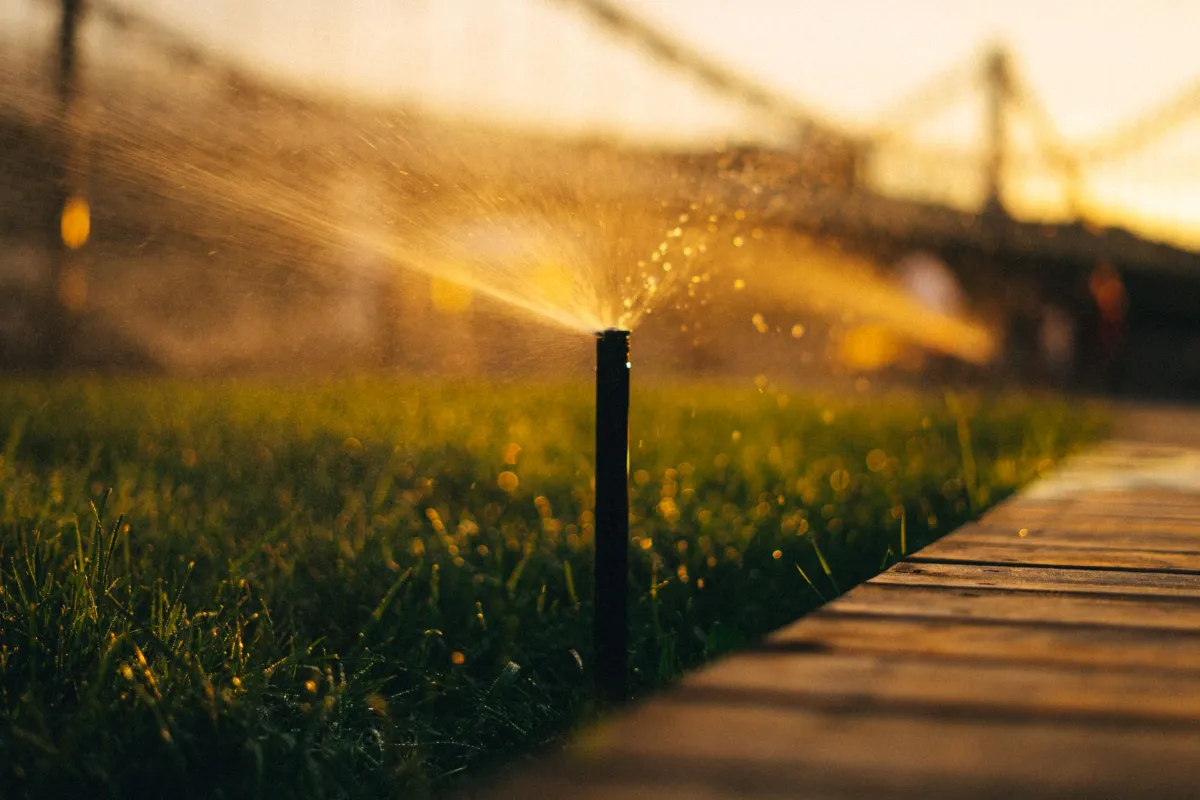
Outdoor water use is an important consideration during hot Texas summers. Lawns, landscaping, gardens, and newly planted vegetation may require more frequent watering when temperatures rise and rainfall becomes less consistent. An irrigation schedule that runs several days a week can add substantial water consumption over a monthly billing period.
Homeowners should review their irrigation controller and compare its current schedule with previous settings. Check whether watering days, run times, or the number of active zones have changed, and consider whether someone has been using a garden hose or sprinkler more frequently. Other outdoor activities that can raise a bill include:
- Watering lawns and flower beds more frequently
- Running sprinklers for longer periods
- Washing vehicles and outdoor equipment
- Filling or topping off swimming pools
- Cleaning patios, driveways, and outdoor areas
Additional Occupants, Appliances, and Pool Filling
Changes inside the home can increase water consumption even when the plumbing system is working properly. More people living in the house, visiting family members, or guests staying for several days can mean additional showers, laundry loads, toilet flushes, and dishwashing cycles. These changes may be temporary, but their combined effect can appear on the next utility bill.
New appliances and household projects are also worth considering. A newly installed washing machine or dishwasher may be used more frequently than an older appliance, while filling a swimming pool can produce a noticeable increase in consumption during a single billing period.
Common Plumbing Leaks That Increase Water Consumption
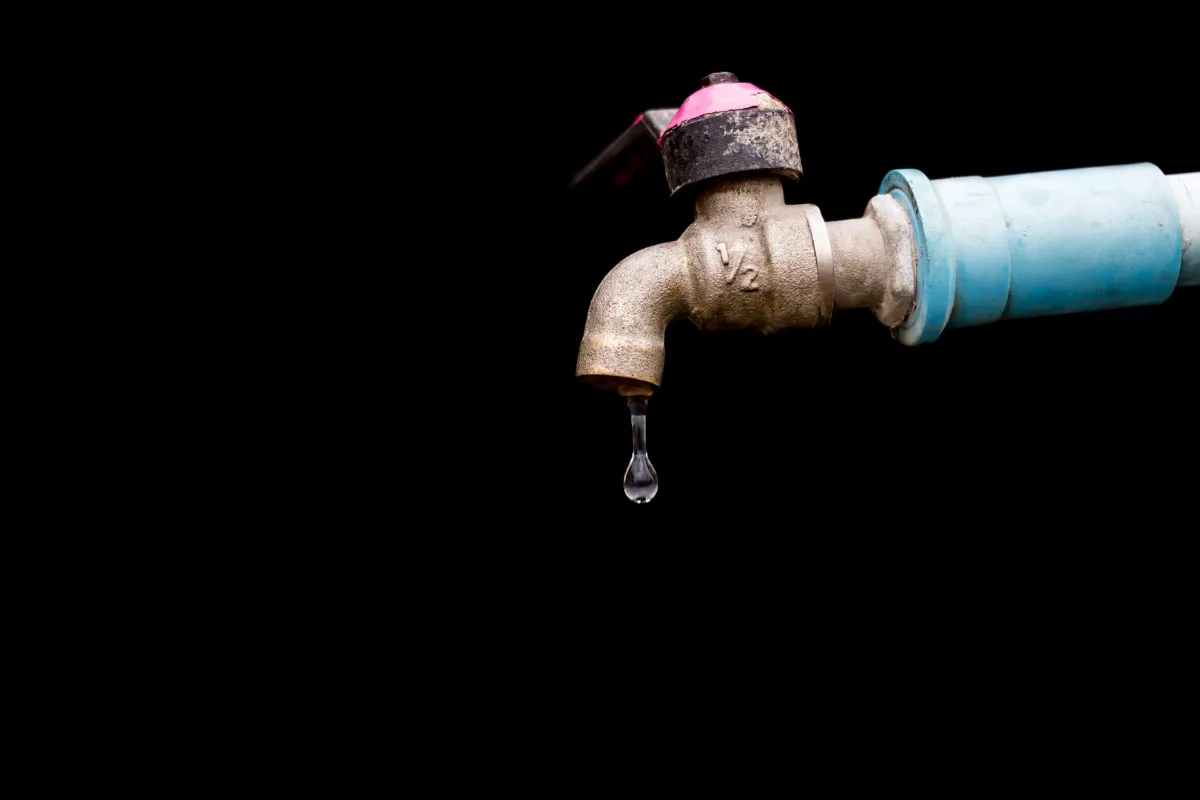
If household and outdoor usage do not explain the higher bill, plumbing fixtures are a reasonable place to begin checking. Some leaks are visible, while others allow water to run continuously without attracting attention. The EPA estimates that leaks in the average home waste more than 9,300 gallons a year, and nine percent of homes lose 50 gallons or more each day.
Running Toilets and Worn Tank Components
A running toilet is one of the common plumbing problems that can increase water consumption. In many cases, an old or worn flapper inside the toilet tank no longer creates a proper seal, allowing water to leak slowly from the tank into the bowl. The toilet may refill periodically even when nobody has flushed it, making the problem easy to overlook.
Homeowners can perform a simple dye test to check for this type of leak. Remove the toilet tank lid, add a few drops of food coloring to the tank water, and wait approximately 10 to 15 minutes without flushing. If colored water appears in the toilet bowl, water is passing from the tank into the bowl, and professional plumbing repair can replace the failed component.
Dripping Faucets and Other Fixtures
A dripping faucet may seem like a minor inconvenience, but repeated dripping can add unnecessary water consumption over an entire billing period. Check kitchen and bathroom faucets, showerheads, bathtub fixtures, and outdoor hose connections for water that continues escaping after the fixture has been turned off.
A faucet or showerhead that keeps dripping after the handle is closed usually has a worn internal part, such as a washer or cartridge, that needs to be replaced. Bergheim Plumbing provides water faucet repair services for homeowners dealing with leaking or malfunctioning faucets.
Hidden Water Leaks Behind Walls and Beneath the Foundation
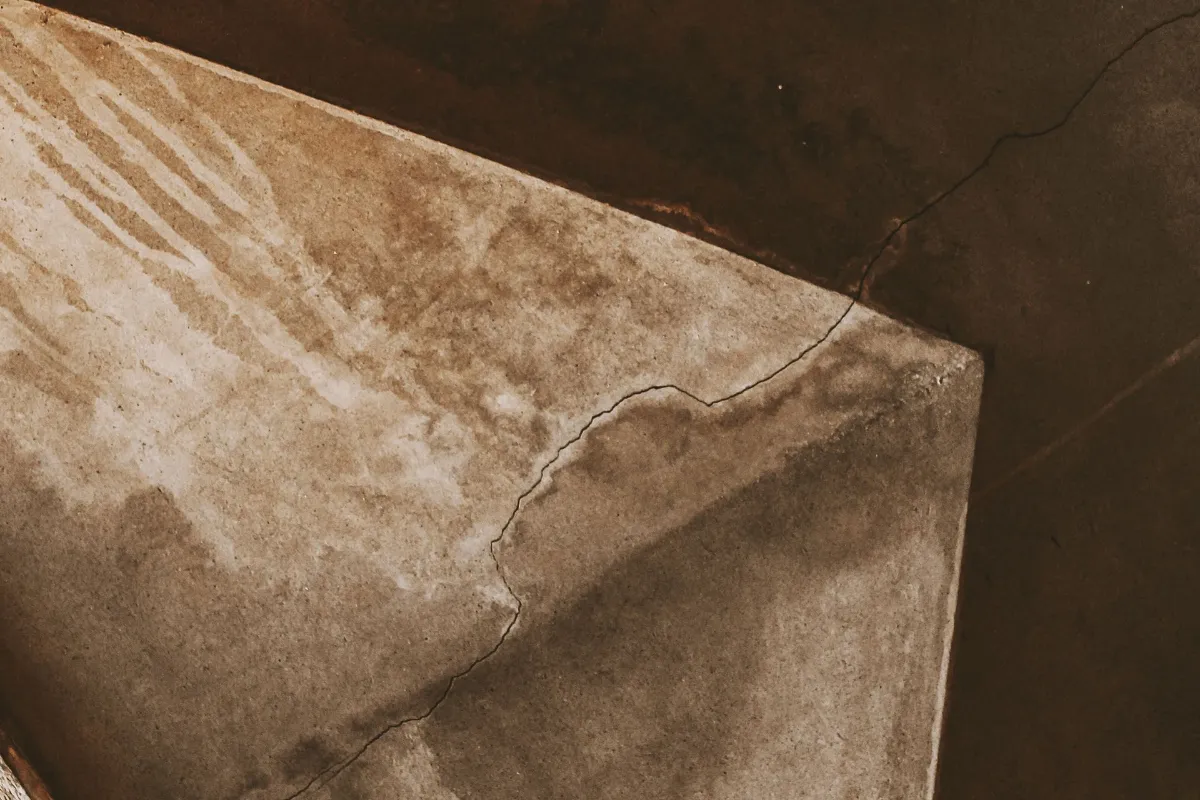
Not every plumbing leak produces an obvious puddle or dripping sound. Some of the more expensive water losses occur in locations that homeowners cannot easily see, including underground lines, wall cavities, ceilings, and plumbing beneath concrete foundations.
Yard Line, Wall, and Ceiling Leaks
A leaking yard water line may cause unusually wet soil, soft patches, or areas of grass that appear greener than the surrounding lawn. Walk around the property and inspect visible plumbing connections, outdoor faucets, and areas where water lines enter the home. Look for persistent dampness that cannot be explained by recent rainfall or irrigation.
Leaks inside walls or ceilings may produce water stains, peeling paint, damp drywall, or mildew. A ceiling stain deserves prompt attention because water may be traveling from a plumbing leak above the visible area. Homeowners should not assume that the location of a stain identifies the exact position of the damaged pipe.
Slab Leaks and Hot Water Line Problems
A slab leak develops when a water line beneath or within a concrete foundation begins leaking, and it often shows up on the bill before it shows up anywhere else. Warning signs may include:
- A warm spot on a floor without another obvious explanation
- The sound of running water when every tap is off
- Damp flooring or persistent moisture around the slab
- Mildew or unexplained moisture near the foundation
- Lower water pressure throughout the home
- A water bill that continues increasing without a change in usage
A leak on a hot water line can also keep the water heater running as it replaces the heated water that escapes. If the meter moves with every fixture off, close the cold water valve on top of the water heater and watch the meter again; if it stops, the leak is likely on the hot side. This basic test does not pinpoint the damaged pipe, but it gives a plumber a useful starting point for slab leak repair or other leak repairs.
Steps to Identify a Leak and Determine When to Call a Plumber
Homeowners can perform several basic checks before arranging a plumbing appointment. These steps help narrow down high water bill causes, but they cannot always identify the exact location or condition of a damaged pipe.
Perform a Water Meter Test
The water meter test is a useful starting point when the bill increases without an obvious explanation. It helps determine whether water is continuing to flow somewhere on the property while household fixtures and appliances are not being used. Follow these steps:
- Turn off every faucet, shower, and water-using appliance inside the home
- Turn off outdoor faucets, sprinklers, and irrigation systems
- Make sure nobody uses water during the test
- Locate the property's water meter and note the current reading
- Watch the meter for 10 minutes without using any water
- Check whether the reading changes or the fine flow or leak indicator turns
If the meter moves during the 10-minute test, water is going somewhere on the property. A moving meter does not automatically identify a damaged pipe, so homeowners should check toilets, fixtures, irrigation systems, and other possible sources before assuming the leak is underground.
Recognize When Professional Leak Repair Is Necessary
If the meter continues moving after all water use has stopped, or the home shows signs of a hidden leak, professional evaluation may be necessary. A plumber can help distinguish between a fixture problem, an irrigation leak, a damaged water line, and a slab leak. This is particularly important when water pressure drops throughout the home or moisture appears in walls, ceilings, or flooring.
For a leak call, Bergheim Plumbing does not charge to come out. The plumber runs the meter test and locates the leak before anything is opened up, then explains what failed, the proposed repair and one price so the homeowner can decide. During the repair, only the area needed to reach the failed part is opened, the plumber looks for what caused the failure, and new pipe is held under pressure before it is covered.
Find the Cause of a High Water Bill With Bergheim Plumbing
Investigating an unexplained increase early can help homeowners identify unnecessary water use, address plumbing leaks, and limit further water waste before the problem becomes more extensive.
Bergheim Plumbing provides leak detection and repair, slab leak repair, and faucet and toilet repairs for homeowners throughout Spring Branch, Bergheim, Boerne, Bulverde, New Braunfels, and surrounding Texas Hill Country communities.
Whether you need help with a running toilet, a hidden water leak, or a suspected slab leak, professional service can help identify the appropriate solution.
Visit Bergheim Plumbing to schedule plumbing service or request assistance with an unexplained high water bill.
Frequently asked questions
Can a High Water Bill Occur Without a Visible Leak?
Yes. A toilet flapper, underground yard line, concealed wall pipe, or slab leak may allow water to escape without creating an obvious puddle. A water meter test can help determine whether water is flowing when every fixture is turned off.
Is a Running Toilet an Emergency?
A running toilet can usually wait a day or two, but it should not be ignored. A worn flapper lets water pass continuously from the tank into the bowl, so the loss continues around the clock until the part is replaced.
Why Did My Water Bill Increase During Summer?
Summer water bills may increase because of lawn irrigation, garden watering, swimming pool filling, and other outdoor activities. If these activities have not changed enough to explain the increase, checking for a plumbing leak is a sensible next step.
Can the Water Company Adjust a Bill After a Leak Repair?
Some water utilities allow customers to request consideration for a bill adjustment after repairing a qualifying leak. For example, San Antonio Water System allows customers to submit repair information for reimbursement consideration, and a plumber's invoice documenting what was found and fixed can support the request.

About the author
David Engel, owner, Bergheim Plumbing
David Engel started Bergheim Plumbing in Spring Branch in 1998 and holds Texas master plumber license M-36766. His son Colton works the trucks with him.