Quick facts
- When grease, roots, or other material remains attached to the pipe walls, cleaning the surrounding interior can help restore more complete flow.
- Hair can become tangled inside the drain while soap residue sticks to the pipe walls and traps additional debris.
- A toilet that repeatedly struggles to flush may also have an obstruction in its trap or connecting drain.
- Homes with large trees near older sewer lines may have more reason to look into repeated main line clogs, especially if roots stay in the pipe after a basic cable cleaning.
- Most clogs never need the jetter, but it can make sense when the same line keeps clogging after a cable has opened it.
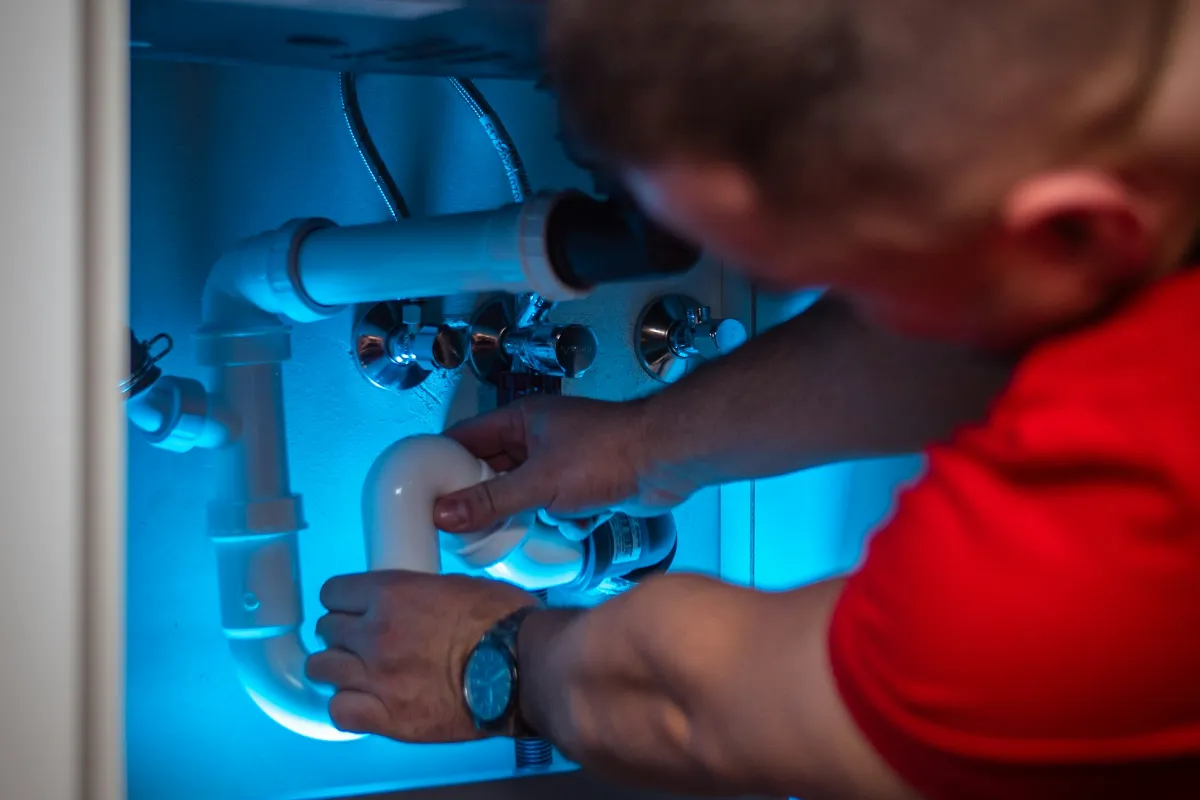
Why do my drains keep clogging even after they have been cleared? Recurring drain problems often indicate that part of the original blockage remains inside the pipe or that another issue is repeatedly restricting water flow. A drain snake may open a path through a clog, but grease, roots, soap residue, or other buildup can remain along the pipe walls and cause another blockage.
The location and frequency of the problem can help homeowners understand what may be happening. A kitchen sink that repeatedly drains slowly may have a different underlying issue than several fixtures backing up at once. Identifying the cause early can help prevent repeated blockages, unpleasant odors, and more serious sewer line problems.
Remaining Buildup Can Cause Drains to Clog Again
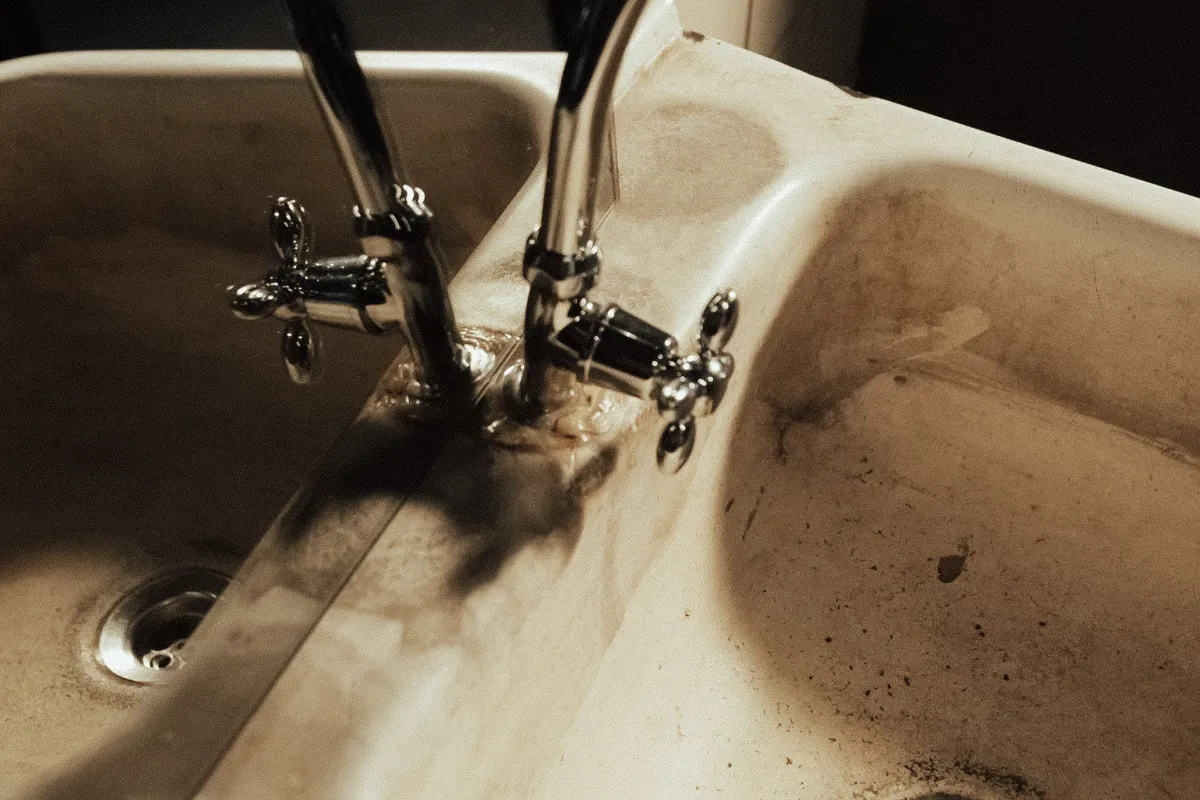
For many homeowners asking why do my drains keep clogging, the answer is that the previous cleaning only removed enough material to restore temporary water flow. The drain may appear clear initially, but leftover debris continues collecting material as wastewater passes through the pipe. Understanding the difference between opening a blockage and cleaning the pipe can explain why some drains need more thorough attention.
A Drain Snake May Only Open a Small Passage
A plumbing snake, also called a drain cable, is commonly used to clear an individual slow or blocked drain. It moves through the pipe and breaks apart or pulls through the material restricting water flow. This can restore drainage without requiring a more extensive cleaning method.
However, a snake may punch a hole through the center of a blockage without removing everything surrounding it. For example, a cable may break through a thick grease accumulation in a kitchen drain while leaving a substantial amount of residue attached to the pipe walls. Water can move through the opening again, but grease and food particles may continue collecting until another blockage develops.
Thorough Cleaning Addresses More of the Pipe Interior
Some blockages require more than a narrow opening through accumulated debris. When grease, roots, or other material remains attached to the pipe walls, cleaning the surrounding interior can help restore more complete flow.
Roots in a sewer line are a common example, since roots left in a joint after a cable passes through can keep growing and catching debris. Grease behaves in a similar way, because new grease sticks to the layer left behind on the pipe wall. Bergheim Plumbing's drain cleaning services start with a look at the line so the cleaning method fits what is actually inside the pipe.
Common Household Habits Contribute to Repeat Blockages
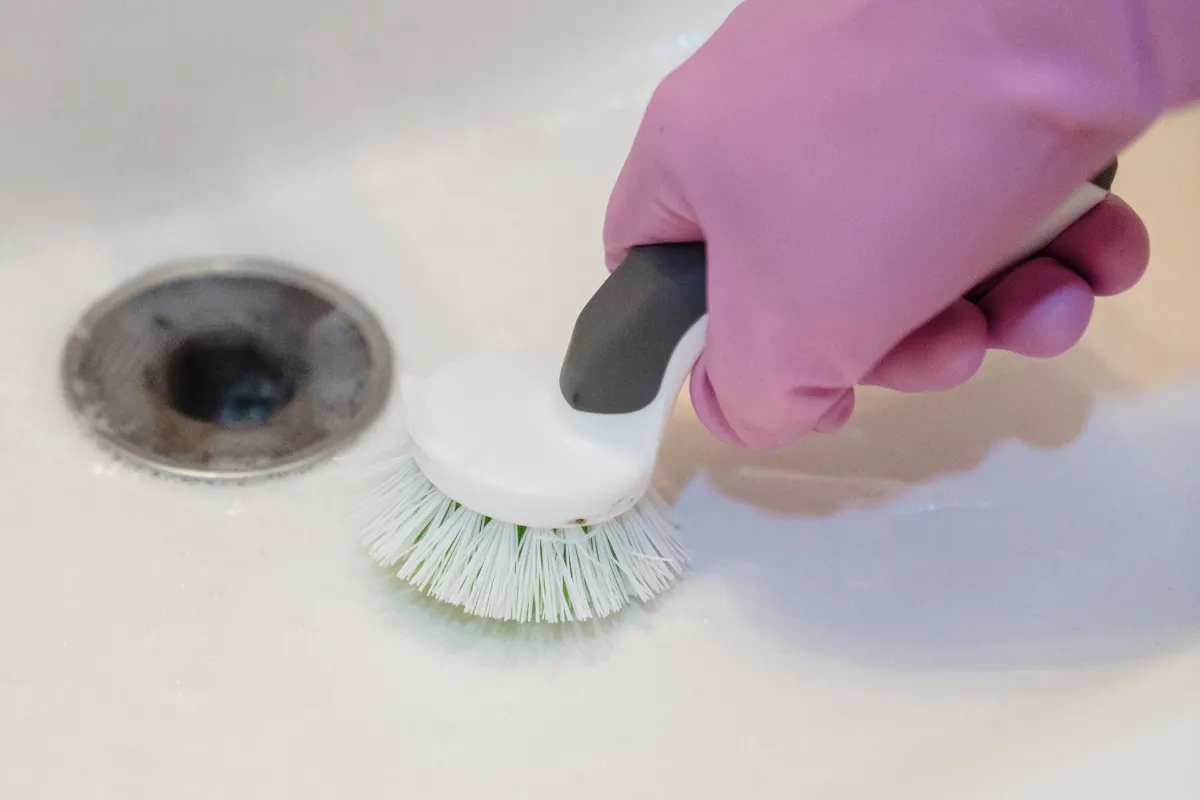
Recurring clogs often develop gradually because everyday household activities introduce materials that pipes cannot easily carry away. Different fixtures collect different types of debris, so the location of the blockage provides useful clues about its possible cause.
Kitchen and Bathroom Drains Collect Different Materials
Kitchen drains often clog repeatedly because cooking grease, food particles, and soap residue build up inside the line. The EPA names grease as the most common cause of reported sewer blockages, and New Braunfels Utilities advises never pouring grease down the sink, even with hot water. Letting grease cool and putting it in the trash, and scraping food off dishes before washing them, can reduce kitchen clogs.
Bathroom drains commonly collect hair, soap residue, and personal care products. Hair can become tangled inside the drain while soap residue sticks to the pipe walls and traps additional debris. Installing drain screens, removing visible hair regularly, and keeping large amounts of hair and personal care products out of the drain can reduce repeat blockages.
Toilets and Septic Systems Need Careful Waste Disposal
Toilets are designed to carry human waste and toilet paper. Wipes, paper towels, and hygiene products may not break down, even when the package says flushable, and they can tangle with grease farther down the sewer line. Repeated toilet clogs may therefore point to a problem beyond the toilet itself.
Homes with septic systems require additional care because materials entering the drains eventually affect the septic system. Grease, wipes, chemical drain additives, and enzyme products should stay out of septic drains. The septic tank itself requires attention from a septic contractor rather than a general drain-clearing approach.
The Number of Affected Drains Helps Identify the Problem
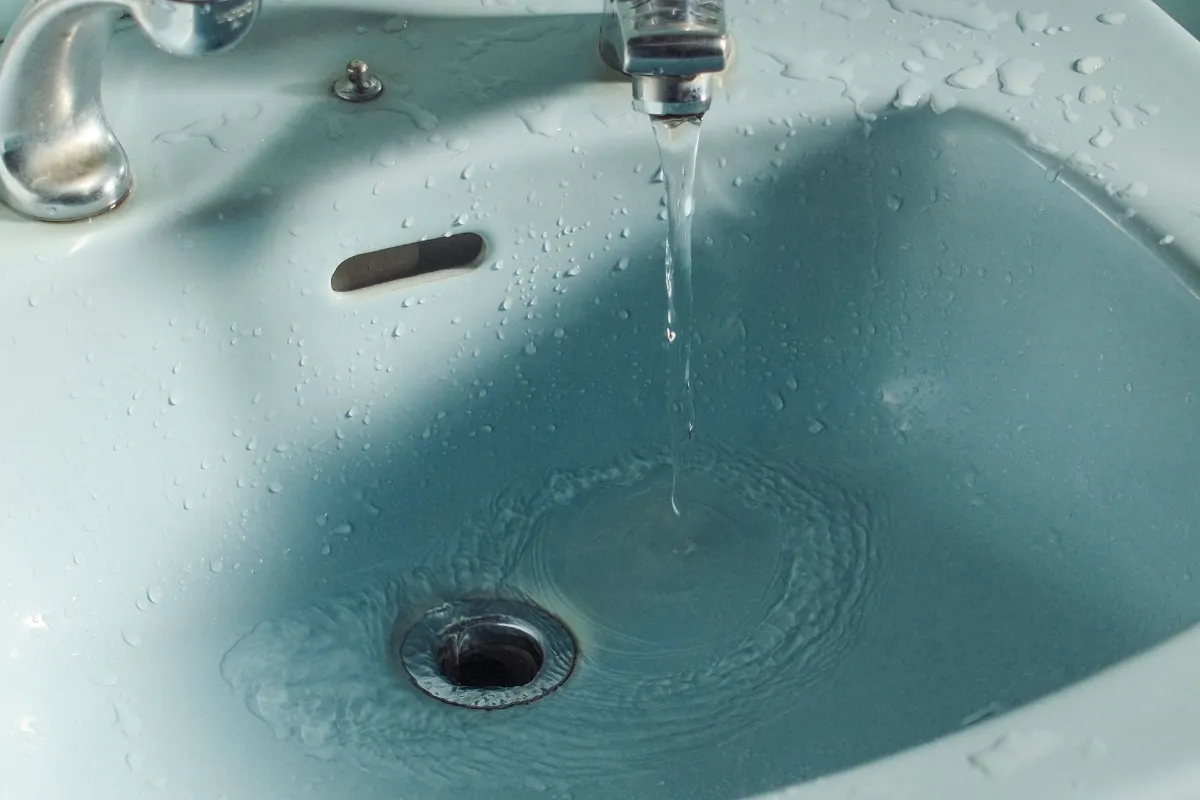
Anyone asking why do my drains keep clogging should first note whether one fixture or several are affected, since this helps narrow down where the blockage is. A single slow drain often points to a restriction within that fixture's branch line, while multiple affected drains may indicate a problem farther along the plumbing system.
One Slow Drain Usually Points to a Localized Restriction
When only one sink, shower, bathtub, or toilet repeatedly clogs, the problem may be close to that fixture. Kitchen sinks can develop localized grease accumulations, while bathroom drains may become restricted by hair and soap residue. A toilet that repeatedly struggles to flush may also have an obstruction in its trap or connecting drain.
Homeowners can start by observing when the problem occurs and whether other fixtures continue draining normally. For example, if the kitchen sink is slow but the bathroom sinks, showers, and toilets work normally, the restriction may be limited to the kitchen drain. This information helps a plumber determine where to begin investigating.
Several Slow Drains Can Indicate a Main Sewer Line Blockage
When multiple fixtures develop drainage problems around the same time, the blockage may be farther down the line, often in the main sewer line. If sewage comes up through a drain, homeowners should stop using water, avoid flushing, and request plumbing help right away, as explained in this plumbing emergency guide. Warning signs of a possible main line problem include:
- Several sinks, showers, or tubs draining slowly at once
- Toilets gurgling when another fixture releases water
- Water backing up into a bathtub or shower
- Sewage odors developing inside the home
- Wastewater returning through a floor drain
- Multiple fixtures backing up after flushing a toilet
Pipe Conditions Can Cause Persistent Drainage Problems
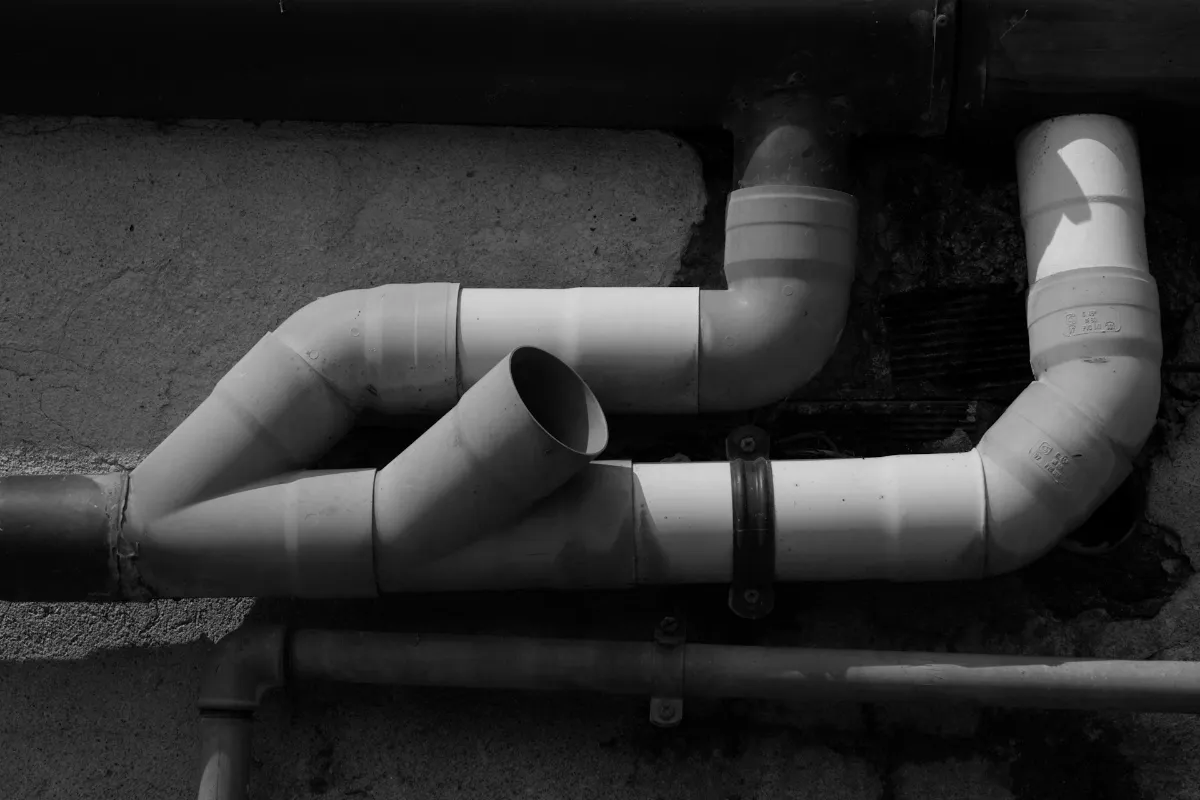
Not every recurring blockage results from household habits. Some drainage problems develop because the pipe itself has a condition that repeatedly interferes with wastewater movement. In these situations, removing the existing debris may provide temporary relief without correcting the reason material continues collecting.
Tree Roots and Damaged Pipes Restrict Water Flow
Tree roots can enter older sewer lines through small openings, loose connections, or deteriorated pipe sections. Roots naturally seek moisture, and wastewater escaping through a damaged connection can attract growth into the line. Once inside, roots can collect toilet paper, grease, and other debris, gradually creating a recurring obstruction.
Homes with large trees near older sewer lines may have more reason to look into repeated main line clogs, especially if roots stay in the pipe after a basic cable cleaning. A sagging or damaged pipe can cause similar trouble, because waste settles in the low spot or catches on cracks and loose joints instead of moving toward the sewer.
Hard Water Scale Can Narrow Drainage Pipes
Hard water is a common consideration in parts of the Texas Hill Country. It contains dissolved minerals, particularly calcium and magnesium, that can leave deposits on plumbing surfaces over time. Although mineral scale is often discussed in connection with fixtures and water heaters, mineral accumulation can also contribute to restrictions in certain plumbing conditions.
Scale buildup is different from a typical grease or hair blockage. Rather than creating a single mass of debris, mineral deposits can gradually reduce the available space inside a pipe. Other materials may then collect along the roughened interior, making drainage problems more persistent.
Professional Drain Cleaning Targets the Underlying Cause
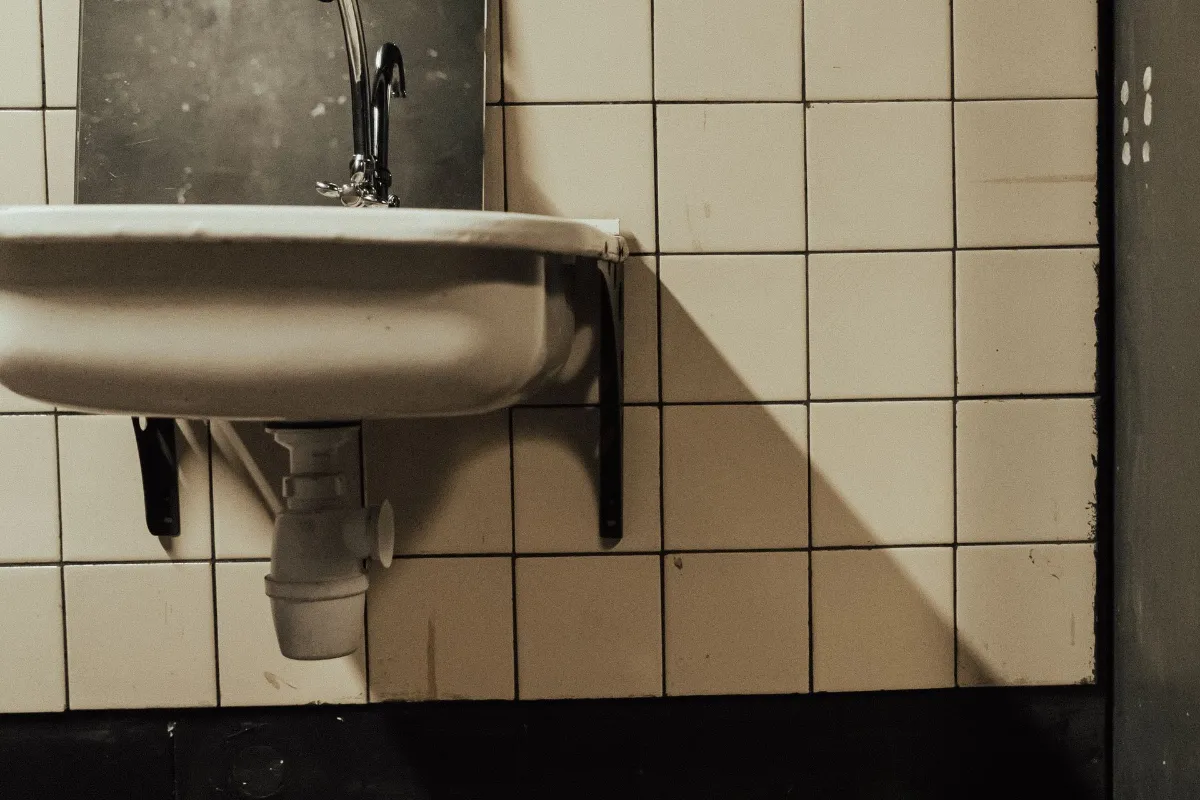
When a blockage continues returning, the next step should involve understanding what is restricting the line rather than repeatedly treating the same symptom. The cleaning method should match the type of blockage, its location, and the condition of the pipe.
The Plumbing Line Should Be Evaluated Before Cleaning
A plumber can begin by considering which fixtures are affected, how often the blockage returns, and whether warning signs point toward a main line problem. The location of the affected drain and the symptoms occurring elsewhere in the home help narrow down the likely source. This initial evaluation is important because a localized obstruction and a main sewer line blockage may require different approaches.
The condition of the pipe also matters, because the line must be able to handle the cleaning method. Bergheim Plumbing looks at the line first so it knows what it is clearing and that the pipe can take it, and it uses a cleanout when the house has one instead of tearing up a floor.
Cable Cleaning and Hydro Jetting Serve Different Purposes
A cable is often enough for a single slow drain or a simple obstruction, since it breaks through the material that is stopping the water. Hydro jetting uses pressurized water to scour the pipe walls, so grease and roots come out of the main line instead of staying behind. Most clogs never need the jetter, but it can make sense when the same line keeps clogging after a cable has opened it.
Bergheim Plumbing uses its own hydro jetter for grease and roots in the main line, and its hydro jetting services begin with the same look at the line. There is no charge to come out, the homeowner gets one price before work begins, and the line is shown clear afterward.
Stop Recurring Clogs With Bergheim Plumbing
Addressing recurring drainage problems early can help prevent repeated blockages, wastewater backups, and further complications involving the sewer line.
Bergheim Plumbing provides drain cleaning, hydro jetting, and main sewer line service for homeowners throughout Spring Branch, Bergheim, Boerne, Bulverde, New Braunfels, and surrounding Texas Hill Country communities.
Whether you need help with a repeatedly clogged kitchen drain, multiple slow fixtures, or a suspected main sewer line blockage, professional service can help identify the appropriate solution.
Visit Bergheim Plumbing to schedule drain cleaning or request assistance with recurring clogs and sewer line problems.
Frequently asked questions
Are Flushable Wipes Safe for Household Drains?
Wipes marked flushable can still block a sewer line, since they hold together instead of falling apart like toilet paper. Keeping wipes in the trash, along with paper towels and hygiene products, can help prevent clogs in both sewer and septic systems.
Can Tree Roots Cause Multiple Drains to Back Up?
Yes. Roots entering a main sewer line can restrict wastewater movement and cause several connected fixtures to drain slowly or back up. Gurgling toilets and sewage returning through lower drains can also indicate a possible main line obstruction.
Should I Use Chemical Drain Cleaner for Recurring Clogs?
Chemical drain cleaners are generally not a good long-term solution for repeated blockages. They may fail to remove accumulated material, create safety concerns, and damage certain plumbing materials, while chemical additives should also be kept out of septic drains.
When Should I Call a Plumber for a Clogged Drain?
A plumber should evaluate a drain that repeatedly clogs, particularly when several fixtures are affected or toilets begin gurgling. Sewage backing up through a drain requires immediate attention, and homeowners should stop using water and avoid flushing until the problem is addressed.

About the author
David Engel, owner, Bergheim Plumbing
David Engel started Bergheim Plumbing in Spring Branch in 1998 and holds Texas master plumber license M-36766. His son Colton works the trucks with him.