Quick facts
- The EPA names grease from restaurants, homes and industry as the most common cause of reported sewer blockages, and the reason is simple: grease does not stay liquid after it enters the plumbing.
- Turkey, bacon, roasts, fried foods and large batches of side dishes can produce substantial amounts of cooking grease.
- After cooking, allow grease to cool before transferring it into a container that can hold it safely.
- Running hot water after pouring grease into the sink does not make the disposal method safe.
- Grease buildup often develops gradually, so the first indication may be a kitchen sink that takes longer than usual to empty.
Can you pour grease down the drain after cooking a holiday meal? The answer is no, even when the grease looks thin and liquid in the pan. It cools as it travels through the plumbing and gradually sticks to the inside of the pipes, where the buildup can restrict water flow, trap food particles and lead to stubborn kitchen drain clogs.
Holiday cooking can make the problem worse because homeowners often prepare larger meals, fry food, cook bacon, roast meats and wash more dishes than usual. Even when the sink appears to drain normally, grease may already be collecting farther down the kitchen drain line. A few simple kitchen habits can help prevent these blockages and reduce the risk of a plumbing problem during a busy holiday gathering.
Cooking Grease Creates Problems Inside Drain Pipes
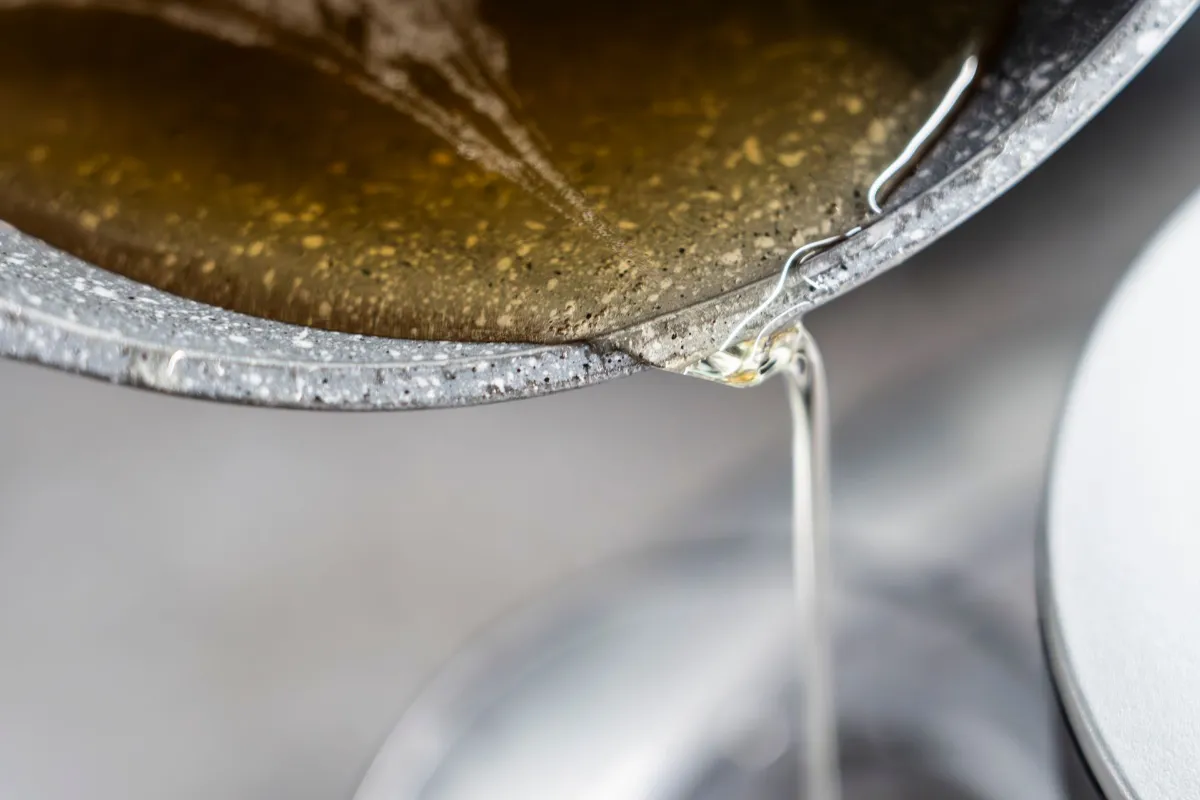
The EPA names grease from restaurants, homes and industry as the most common cause of reported sewer blockages, and the reason is simple: grease does not stay liquid after it enters the plumbing. As it cools, it can become thick or solid, attach to pipe walls and gradually narrow the space available for wastewater to flow. This process can affect kitchen drains as well as larger sewer lines.
Grease Hardens and Collects Along Pipe Walls
When hot grease enters a kitchen sink, it begins cooling as it moves through the drain. Some grease may travel farther into the plumbing before becoming thick enough to stick to the pipe walls, making it difficult to recognize the problem immediately. Repeated disposal of small amounts can eventually create a substantial layer of buildup.
The grease coating also creates a surface that catches other materials moving through the drain. Small pieces of food, cooking residue and other debris can accumulate against it, making the opening progressively narrower. Instead of washing away completely, these materials combine into a thicker obstruction that slows wastewater movement and can eventually stop the drain from working properly.
Food Particles and Wipes Make Grease Clogs Worse
Grease rarely acts alone when a kitchen drain becomes blocked. Food scraps, oils, soap residue and other household debris can collect around the buildup, creating an obstruction that becomes increasingly difficult to clear. Wipes can also contribute to sewer problems, even when their packaging describes them as flushable.
Wipes do not break apart like toilet paper and may catch on existing grease deposits inside a sewer line. Once trapped, they can collect additional debris and restrict the flow of wastewater.
Holiday Cooking Increases the Risk of Grease Buildup
Holiday meals place more demands on kitchen plumbing than an ordinary weeknight dinner. Turkey, bacon, roasts, fried foods and large batches of side dishes can produce substantial amounts of cooking grease. More guests also mean additional plates, pans and utensils going through the sink, increasing the amount of food residue entering the drain.
Turkey, Bacon and Frying Produce More Grease
Roasting a turkey or preparing a large cut of meat can leave behind considerable amounts of rendered fat. Bacon grease, frying oil and drippings from roasting pans are particularly important to handle carefully because homeowners may have several containers or pans of grease to dispose of after cooking. Pouring these liquids into the sink can introduce more grease than the kitchen drain can safely handle.
The problem is not limited to large quantities from deep frying or roasting. Small amounts left in skillets, baking dishes and serving pans can accumulate when they are washed directly under running water. During a holiday gathering, repeating this process across multiple meals and cleanup sessions can contribute to buildup inside the plumbing, even if no immediate blockage appears.
More Dishes Mean More Opportunities for Clogs
A kitchen sink may handle an ordinary household's daily dishes without noticeable problems, but holiday cleanup often involves a much larger workload. Greasy plates, roasting pans, baking trays and cooking utensils can introduce oils and food particles into the drain throughout the day. When several people help with cleanup, it can also be easier for scraps and leftover grease to enter the sink accidentally.
Asking guests to scrape plates into the trash, and giving one person the job of handling the grease container, can keep a busy cleanup from sending grease and scraps into the sink. Scraping plates before they go into the dishwasher also helps, since the dishwasher usually drains into the same kitchen line.
Safe Kitchen Habits Help Prevent Grease Clogs
Preventing a grease clog is generally easier than dealing with a blocked kitchen drain after the buildup has become established. Homeowners do not need complicated equipment or special cleaning products to reduce the amount of grease entering their plumbing. Consistent disposal and cleanup practices can make a meaningful difference, particularly during holidays when kitchen activity increases.
Store and Dispose of Used Cooking Grease Properly
After cooking, allow grease to cool before transferring it into a container that can hold it safely. An empty food can, glass jar or another suitable container with a secure lid can be used to collect leftover cooking fat. Once the grease has cooled sufficiently, close the container and dispose of it according to local waste collection guidelines.
Avoid pouring large amounts of hot grease directly into a disposable container that could soften, leak or become difficult to handle. For households that regularly cook bacon, fry foods or prepare large roasts, keeping a designated grease container near the cooking area can make cleanup easier. The important rule is to keep collected grease out of the sink, regardless of whether it still appears liquid.
Clean Greasy Pans Before Washing Them
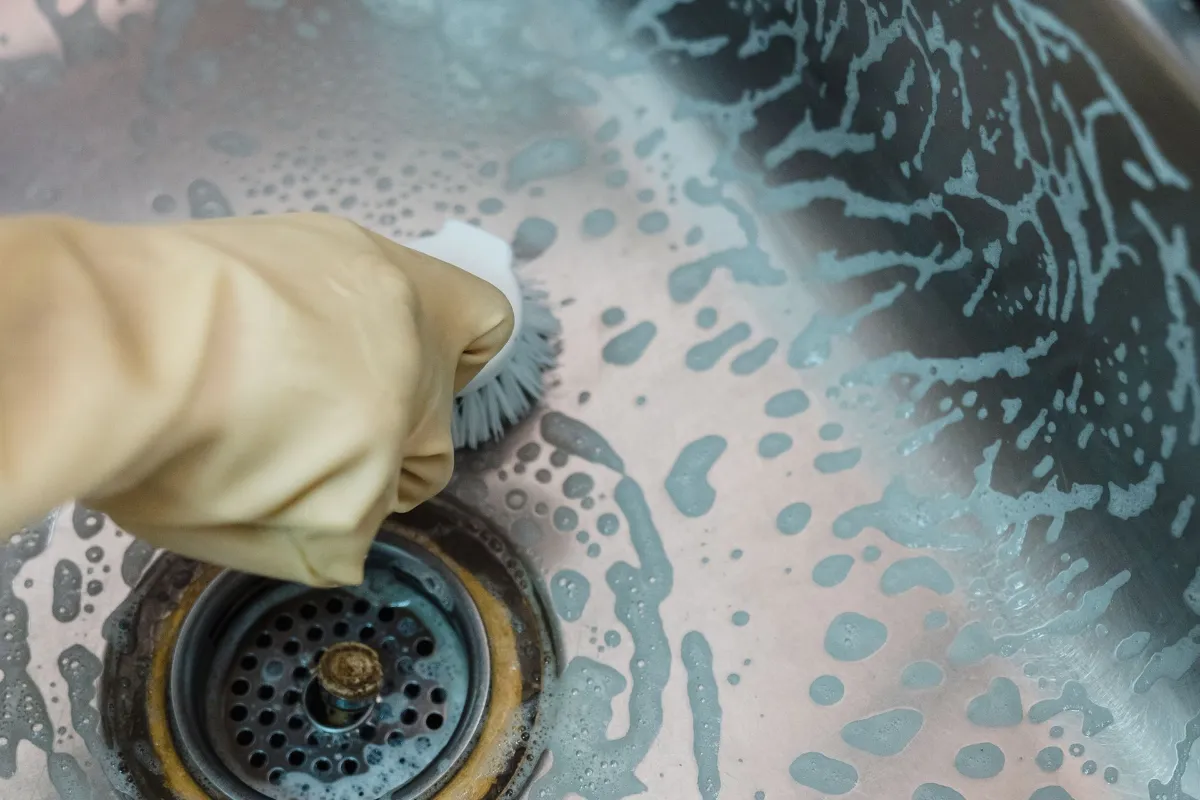
Before placing a frying pan, roasting tray or baking dish in the sink, remove as much grease as possible with a paper towel. Scrape solid food and leftover cooking material into the trash or compost where appropriate, then wipe the remaining oily residue from the surface. This reduces the amount of grease and debris that enters the drain during washing.
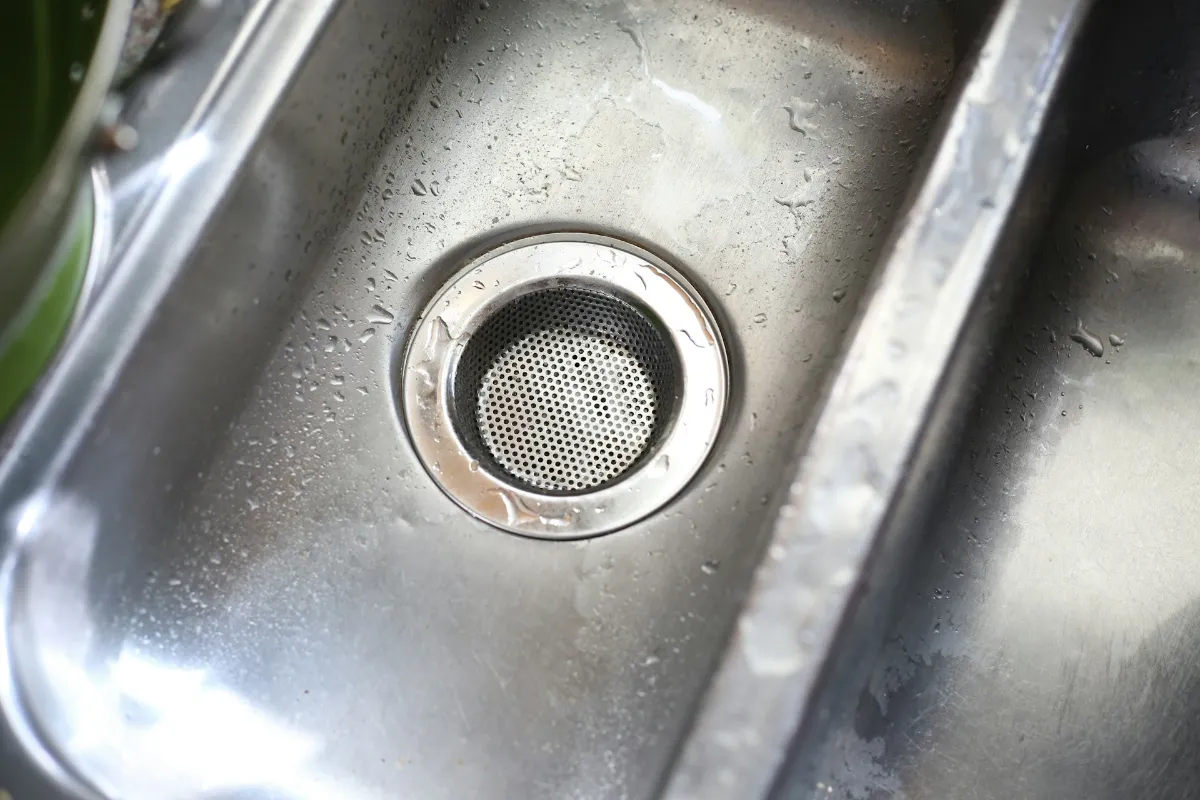
A sink strainer provides another layer of protection by catching larger food particles before they travel into the plumbing. However, it does not capture dissolved oils or prevent liquid grease from coating pipe walls.
Common Grease Disposal Mistakes Can Damage Drain Lines
Some kitchen cleanup habits seem reasonable because they make the sink appear clean immediately after washing. However, what disappears from the visible sink opening does not necessarily leave the plumbing system. Understanding a few common misconceptions can help homeowners avoid practices that contribute to recurring drain problems.
Hot Water and Dish Soap Do Not Remove the Risk
Running hot water after pouring grease into the sink does not make the disposal method safe. Hot water may keep some grease liquid temporarily, allowing it to travel farther into the plumbing before cooling. Once the temperature drops, the grease can become thick again and adhere to the pipe walls.
Dish soap can help remove oily residue from cookware, but it should not be treated as a solution for grease already entering the drain system. New Braunfels Utilities advises homeowners not to pour grease down the sink, even when hot water is running. The better approach is to remove grease before washing cookware rather than trying to move it through the pipes with additional water.
Garbage Disposals and Septic Systems Need Extra Care
A garbage disposal does not make grease safe to pour down the drain. Although it can break down certain food scraps into smaller pieces, it does not eliminate cooking oil or prevent grease from coating the plumbing. Adding greasy food waste to the disposal can still contribute to buildup, especially when grease combines with other debris farther along the drain line.
Homes with septic systems also need to be careful about what enters their kitchen plumbing. Grease, wipes, chemical drain additives and enzyme products should stay out of septic drains because they can interfere with the system's operation. Problems involving the septic tank itself should be handled by a septic contractor rather than treated as an ordinary household drain-cleaning issue.
Existing Grease Clogs Require Proper Drain Cleaning
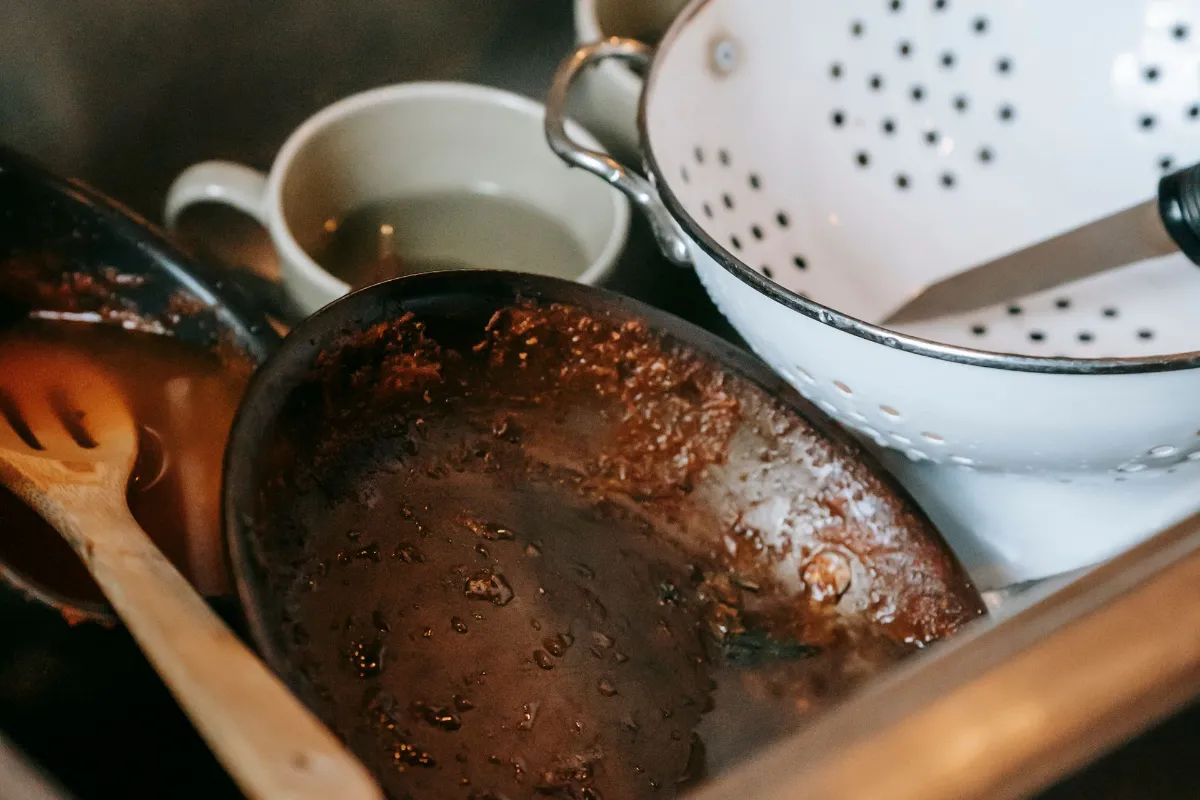
Even careful homeowners may accidentally send grease into the kitchen drain from time to time. If grease has already entered the plumbing, the appropriate response depends on whether the drain is still flowing normally or has developed signs of an obstruction. Recognizing those signs early can help prevent a localized kitchen problem from becoming a more extensive sewer line issue.
Recognize the Warning Signs of a Grease Blockage
Grease buildup often develops gradually, so the first indication may be a kitchen sink that takes longer than usual to empty. The problem may become more noticeable after washing several greasy pans or running water for an extended period. A drain that repeatedly slows down or clogs again after being cleared may have buildup farther inside the line. Other signs to watch for include:
- The same kitchen drain becoming clogged repeatedly
- Toilets making gurgling sounds when water drains elsewhere
- Several slow drains or multiple fixtures backing up
- Sewer odors coming from household drains
- Sewage coming back up through a drain
When several drains are slow or water backs up throughout the house, the main sewer line may be involved rather than just the kitchen branch. Sewage coming up through a drain is more urgent because it can create a sanitation concern. Stop using water, do not flush toilets and call for plumbing assistance immediately; after-hours emergency service is available for sewage backups.
Avoid Chemical Cleaners and Address the Actual Blockage
Chemical products may not remove the grease coating responsible for a recurring blockage and can introduce additional concerns when working around household plumbing. Bergheim Plumbing's drain cleaning service addresses slow and blocked drains using an approach suited to the condition of the line.
A drain cable can break through an obstruction and restore water movement, but it may leave grease attached to the pipe walls. For grease buildup or roots affecting a main line, hydro jetting uses high-pressure water to scour the inside of the pipe and remove material that a basic cable may leave behind. Homeowners can learn more about hydro jetting services and how this method addresses stubborn drain line buildup.
Get Help With Grease Clogs From Bergheim Plumbing
Addressing slow drainage and recurring grease buildup early can help prevent a minor kitchen plumbing problem from developing into a larger blockage or sewage backup.
Bergheim Plumbing provides drain cleaning, hydro jetting, and emergency plumbing service for homeowners throughout Spring Branch, Bergheim, Boerne, Bulverde, New Braunfels, and surrounding Texas Hill Country communities.
Whether you need help with a slow kitchen drain, recurring grease blockage, or a sewage backup, professional service can help identify the appropriate solution.
Visit Bergheim Plumbing to schedule drain cleaning or request assistance with a blocked or slow-moving drain.
Frequently asked questions
Can a Small Amount of Cooking Grease Clog a Kitchen Drain?
A small amount may not cause an immediate blockage, but repeated disposal can allow grease to accumulate inside the pipe. As it cools and catches food particles, the buildup can gradually restrict drainage and contribute to recurring clogs.
Is It Safe to Pour Grease Down the Drain With Hot Water?
No. Hot water may temporarily keep grease moving through the plumbing, but it can cool farther down the line and stick to the pipe walls. Running additional hot water does not prevent grease buildup.
What Should Homeowners Do If Grease Has Already Gone Down the Sink?
Stop disposing of additional grease, food scraps and oily residue through the sink. If the drain becomes slow, repeatedly clogs or produces unpleasant odors, have the plumbing evaluated rather than relying on chemical cleaners or repeated flushing attempts.
Does Hydro Jetting Remove Grease From Kitchen Drain Pipes?
Hydro jetting uses high-pressure water to scour the inside of a pipe, helping remove grease and other accumulated material from its walls. It may be appropriate for more extensive buildup in a main line, while a cable may be sufficient for an isolated slow drain.

About the author
David Engel, owner, Bergheim Plumbing
David Engel started Bergheim Plumbing in Spring Branch in 1998 and holds Texas master plumber license M-36766. His son Colton works the trucks with him.