Quick facts
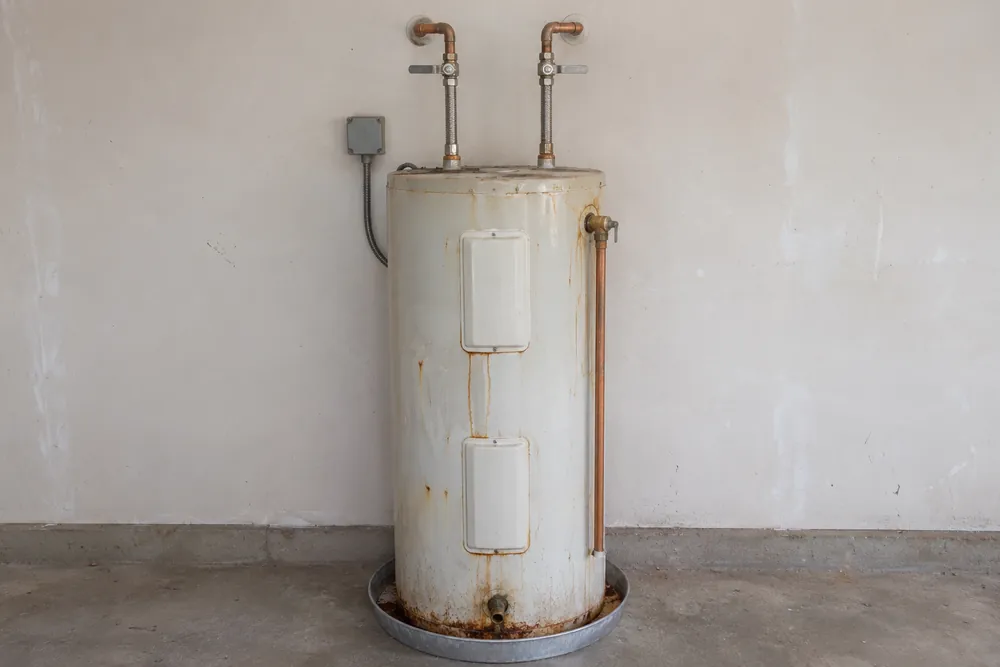
- Converting from a storage-tank heater to a tankless system often requires a more detailed installation assessment than replacing an existing tank with a similar model.
- Hard water can contribute to mineral scale accumulation inside a tankless water heater's heat exchanger and internal water passages.
- Installing a tankless water heater requires careful planning to ensure the equipment is compatible with the home's plumbing and utility systems.
Going tankless can be a practical upgrade for homeowners who want efficient hot water without a traditional storage tank. However, switching to tankless involves more than replacing an old water heater with a smaller unit. The home's plumbing connections, energy supply, water quality, and household hot water demand all need to be evaluated before installation.
For homeowners in Spring Branch and the surrounding Texas Hill Country, hard water and private well systems can add important considerations. Mineral buildup may affect tankless water heater performance, while differences in water pressure and flow can influence equipment selection.
A properly sized tankless system can provide continuous hot water within its rated capacity, reduce standby energy losses, and free up space previously occupied by a storage tank. However, installation costs and maintenance requirements should be considered alongside these benefits.
Knowing what to expect before you switch to tankless helps you decide whether the upgrade fits your home and avoid surprises during installation.
Why Should Homeowners Consider Switching to a Tankless Water Heater?
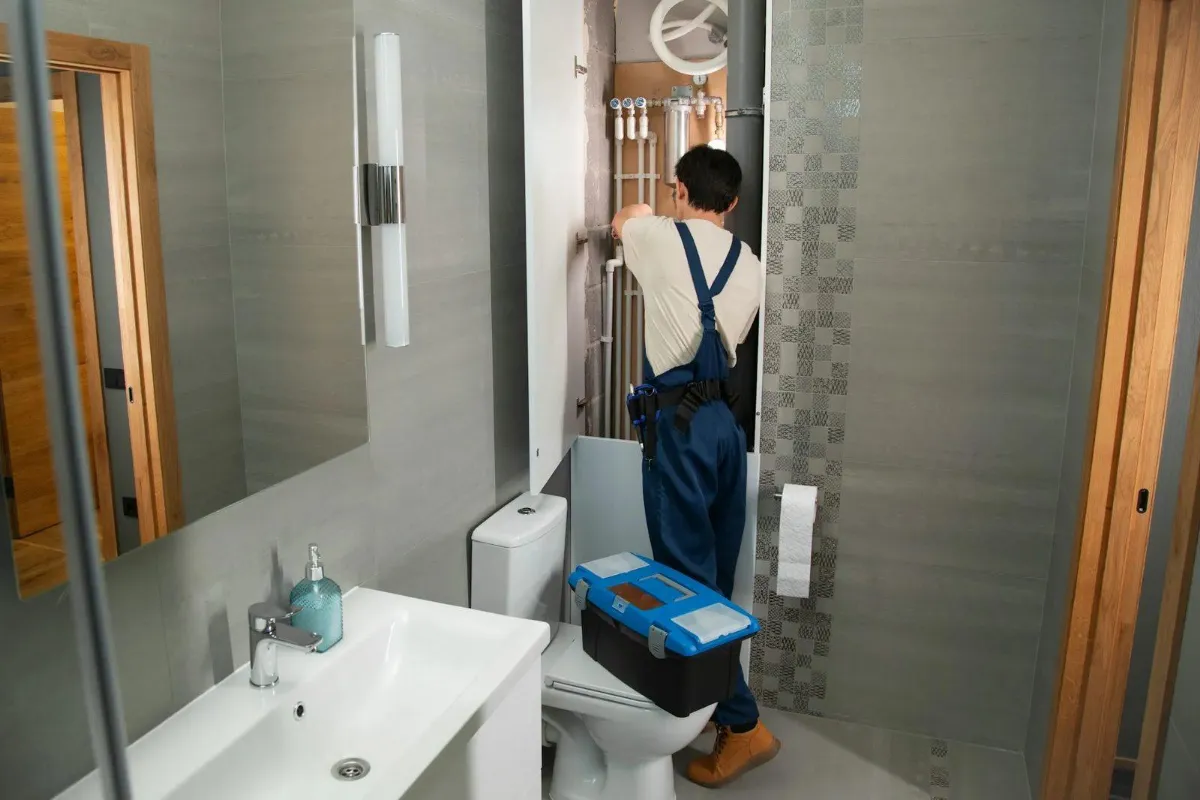
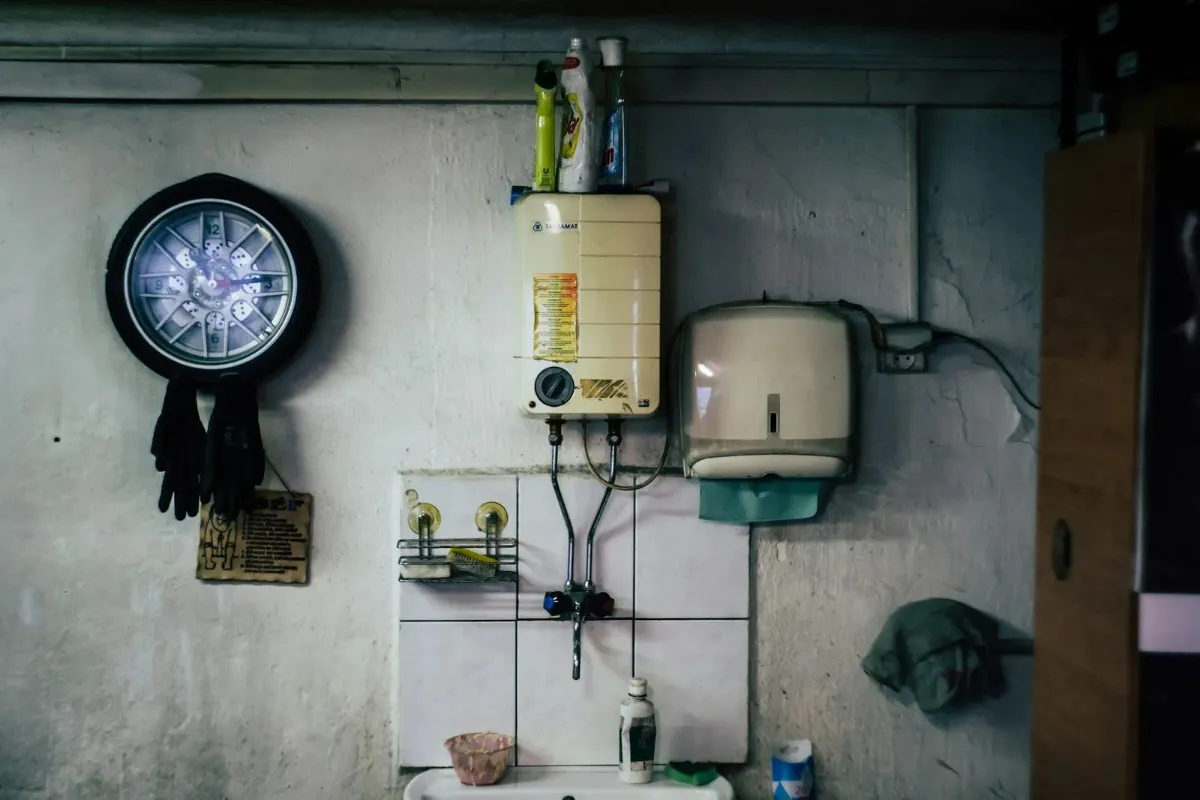
Tankless water heaters operate differently from traditional storage-tank systems. Instead of keeping a big tank hot all day, they heat water only while it is moving through the unit.
This on-demand operation can offer advantages for households looking to improve energy efficiency or replace an aging water heater.
However, the benefits depend on the system's capacity, household usage, and installation conditions.
What Are the Main Benefits of Tankless Water Heaters?
A big plus of going tankless is that the unit keeps heating water while demand stays within its rated flow.
Traditional storage-tank water heaters maintain a limited supply of hot water. Once that supply is depleted, the system needs time to heat additional water.
Tankless equipment heats water during use, so it does not depend on a stored tank capacity.
Potential benefits include:
- Continuous hot water: Properly sized systems can supply hot water for extended periods without emptying a storage tank.
- Reduced standby energy losses: Water is heated when needed rather than maintained in a large storage tank.
- Space-saving design: Many tankless systems mount on a wall and require less floor space.
- Potentially longer service life: Some tankless models may operate longer than conventional tank systems when properly maintained.
- Flexible equipment options: Different models are available to accommodate various household demands.
These benefits do not mean tankless systems are suitable for every home.
A tankless heater has a maximum heating capacity. If several fixtures demand more hot water than the equipment can provide simultaneously, water temperature or flow performance may be affected.
Proper sizing is essential to achieving the expected benefits.
Does a Tankless Water Heater Provide Unlimited Hot Water?
Tankless water heaters are often described as providing unlimited hot water, but this description requires clarification.
A tankless system can continue heating water for as long as it has an adequate energy supply and operates within its rated capacity.
However, the amount of hot water it can deliver at one time is limited.
For example, a household running multiple showers, a washing machine, and a dishwasher simultaneously may exceed the system's heating capacity.
When that happens, the water heater may struggle to maintain the desired temperature across every fixture.
The actual performance depends on the incoming water temperature, the required temperature increase, and the total flow rate.
Homeowners should consider their household's busiest periods of hot water use before selecting a tankless system.
What Should You Check Before Converting to a Tankless Water Heater?
Converting from a storage-tank heater to a tankless system often requires a more detailed installation assessment than replacing an existing tank with a similar model.
The new equipment may have different requirements for gas supply, electrical capacity, venting, and water connections.
These factors should be evaluated before purchasing a unit.
Can Your Existing Plumbing and Utilities Support a Tankless System?
Tankless water heaters can have substantial energy requirements because they heat water quickly as it passes through the equipment.
Gas-powered models may require different gas supply capacity than an existing storage-tank water heater.
Electric tankless models may require significant electrical capacity, depending on the unit's heating output.
A professional installation assessment may include:
- Existing gas line size and available supply capacity
- Electrical panel capacity and circuit requirements
- Water supply connections and flow rates
- Venting requirements for applicable gas models
- Available installation space
- Equipment clearances and mounting requirements
- Drainage and condensate handling where applicable
Some homes can accommodate a tankless conversion with relatively minor modifications.
Others may require utility upgrades or changes to the existing installation area.
The extent of these modifications can significantly affect the total project cost.
A licensed plumber can evaluate the existing setup and explain which changes are necessary before installation begins.
How Do You Choose the Right Tankless Water Heater Size?
Tankless water heaters are sized according to the amount of hot water they can produce at a given temperature rise.
Unlike traditional storage-tank systems, where tank capacity is a major consideration, tankless equipment is commonly evaluated using flow rate and heating capacity.
Flow rate is typically measured in gallons per minute.
The temperature rise is the difference between the incoming water temperature and the desired hot water temperature.
For example, colder incoming water requires more heating energy to reach the same outlet temperature.
Important sizing considerations include:
- Number of bathrooms in the home
- Number of household occupants
- Simultaneous shower usage
- Dishwasher and laundry requirements
- Incoming water temperature
- Desired hot water temperature
- Peak household water demand
A smaller household may have different requirements from a larger family that frequently uses several hot water fixtures at once.
Choosing a system that is too small can lead to disappointing performance.
An unnecessarily large system may increase equipment costs without providing a meaningful benefit.
Proper sizing helps ensure the equipment matches actual household usage.
How Does Hill Country Water Affect Tankless Water Heater Performance?
Water quality is an important consideration for tankless water heater installation in Spring Branch and surrounding Hill Country communities.
Much of the region's groundwater moves through limestone formations, which can contribute calcium and magnesium to the water supply.
These minerals create hard water and may form scale inside water-heating equipment.
Tankless systems are not immune to mineral buildup, even though they do not store a large volume of heated water.
Can Hard Water Damage a Tankless Water Heater?
Hard water can contribute to mineral scale accumulation inside a tankless water heater's heat exchanger and internal water passages.
When mineral-rich water is heated, calcium carbonate deposits may form on heated surfaces.
Over time, this buildup can interfere with heat transfer and affect system performance.
Possible signs of scale-related problems include:
- Reduced hot water flow
- Inconsistent water temperatures
- Decreased heating efficiency
- Tankless water heater error codes
- Increased maintenance requirements
- Unusual operating behavior
The severity of scale accumulation depends on water hardness, operating temperature, equipment design, and maintenance practices.
Tankless systems generally require periodic inspection and descaling according to manufacturer recommendations and local water conditions.
Homeowners experiencing significant hardness problems may also benefit from evaluating their existing water treatment equipment.
Do Homes With Private Wells Need Special Considerations?
Some Spring Branch properties use private wells rather than municipal water supplies.
Private well systems can have different water pressure, flow, and water-quality characteristics.
These conditions should be considered when selecting a tankless water heater.
A professional assessment may evaluate whether the well pump and pressure system can support the required flow rate.
Water testing may also be useful because private well water can contain varying concentrations of hardness minerals, sediment, iron, or other substances.
Depending on the results, additional filtration or treatment may be appropriate.
For example, a sediment filter may help address particles that could otherwise affect equipment components.
A water softener may be beneficial when elevated hardness levels contribute to scale formation.
However, water softeners do not address every water-quality issue.
The appropriate treatment depends on the actual conditions identified at the property.
What Does Tankless Water Heater Installation Involve?
Installing a tankless water heater requires careful planning to ensure the equipment is compatible with the home's plumbing and utility systems.
The process may be relatively straightforward when replacing an existing tankless unit with a compatible model.
Converting from a traditional storage-tank heater can involve additional work.
Understanding the installation process helps homeowners prepare for the appointment and evaluate the proposed project scope.
What Happens During a Tankless Water Heater Conversion?
A professional conversion generally begins with inspecting the existing water heater and determining the requirements of the new equipment.
The plumber evaluates the home's utility connections, water demand, and available installation location.
Once the installation plan is confirmed, the old equipment can be prepared for removal.
Depending on the property and selected system, the conversion may involve:
- Safely disconnecting and removing the existing water heater.
- Preparing the mounting location for the tankless unit.
- Evaluating and modifying water supply connections as necessary.
- Completing appropriate gas or electrical connections.
- Installing required venting or drainage components.
- Configuring the equipment according to manufacturer instructions.
- Testing water temperature, flow, and operating performance.
The exact steps depend on the tankless model and existing plumbing configuration.
Gas tankless systems may require specialized venting arrangements, while electric models have different electrical requirements.
Installation should follow applicable codes, permitting requirements, and manufacturer specifications.
After testing, the plumber should explain the system's basic controls and maintenance recommendations.
How Much Does Tankless Water Heater Installation Cost?
Tankless water heater installation costs vary depending on the equipment and modifications required.
A direct replacement of an existing tankless unit may involve fewer changes than converting from a conventional storage-tank system.
The total cost may include the water heater itself, labor, plumbing materials, utility modifications, and applicable installation requirements.
Factors affecting the price include:
- Tankless water heater brand, model, and capacity
- Gas or electric equipment requirements
- Existing utility connections
- Venting and drainage modifications
- Installation location and accessibility
- Necessary permits and inspections
- Removal of the existing water heater
- Additional water treatment considerations
Tankless systems often have higher initial installation costs than conventional storage-tank replacements.
However, reduced standby energy losses may lower operating expenses for some households.
Actual savings depend on hot water usage, energy rates, equipment efficiency, and installation costs.
Homeowners should request a detailed estimate that explains the equipment and installation work before approving the project.
What Maintenance Does a Tankless Water Heater Need?
Tankless water heaters require regular maintenance to support reliable operation and manage mineral buildup.
Although they do not have a large storage tank, they still contain components that need inspection and servicing.
Maintenance requirements vary by manufacturer, model, water quality, and operating conditions.
How Often Should a Tankless Water Heater Be Descaled?
Descaling removes mineral deposits that can accumulate inside a tankless water heater's heat exchanger.
The appropriate service interval depends on water hardness, equipment usage, and manufacturer recommendations.
Homes with elevated hardness levels may require more frequent attention than properties with softer water.
During maintenance, a qualified professional may inspect the system, check filters or strainers, evaluate operating conditions, and perform descaling when appropriate.
Homeowners should avoid assuming that every tankless water heater requires the same maintenance schedule.
Following the manufacturer's instructions and considering local water conditions provides a better approach.
Signs that a tankless system may need professional attention include changes in water temperature, reduced flow, recurring error codes, or declining performance.
Regular maintenance can help address developing problems before they become more significant.
Can a Water Softener Help Maintain a Tankless System?
A properly selected water softener can reduce calcium and magnesium hardness before water enters the tankless heater.
This can help limit new scale formation and reduce mineral-related maintenance concerns.
For Hill Country homes with hard water, evaluating a water softener during a tankless conversion may be worthwhile.
However, water treatment should be based on measured conditions rather than assumptions about regional water quality.
Some homes may already have functioning softeners, while others may need water testing to determine whether additional treatment is appropriate.
A water softener does not eliminate the need for tankless water heater maintenance.
The equipment should still be inspected and serviced according to manufacturer recommendations.
Combining appropriate water treatment with proper installation and maintenance can help support long-term system performance.
Plan Your Tankless Water Heater Conversion With Bergheim Plumbing
A tankless water heater saves space and runs efficiently compared with a storage tank, but the upgrade should start with a careful look at the home's plumbing and hot water needs.
Proper equipment sizing, utility capacity, water quality, and installation conditions all influence the performance and cost of a tankless system.
For homeowners in Spring Branch and surrounding Texas Hill Country communities, hard water and private well conditions may also affect equipment selection and maintenance planning.
Bergheim Plumbing provides tankless water heater installation, repair, and replacement services throughout Spring Branch, Bergheim, Boerne, Bulverde, New Braunfels, and surrounding Hill Country areas.
Family-owned since 1998, Bergheim Plumbing focuses on straightforward recommendations, transparent upfront pricing, and plumbing solutions suited to each home's needs.
Whether you're replacing an aging storage-tank water heater or considering your first tankless system, the team can evaluate your existing setup and explain the available installation options.
Call Bergheim Plumbing at (210) 264-1432 to discuss your tankless water heater conversion and schedule a professional assessment.
Frequently asked questions
Is converting to a tankless water heater worth it?
A tankless conversion may be worthwhile for homeowners seeking continuous hot water within the unit's capacity, reduced standby energy losses, and a compact equipment design. However, the decision depends on installation costs, household usage, available utilities, and maintenance requirements.
Can I replace my existing water heater with a tankless model?
Many homes can accommodate a tankless conversion, but the existing gas, electrical, water supply, and venting systems must be evaluated first. Some properties require modifications before the new equipment can be installed.
Does a tankless water heater work with well water?
Yes, tankless water heaters can operate in homes using private wells. However, water pressure, flow capacity, sediment, hardness, and other water-quality conditions should be evaluated to determine whether the equipment and any additional treatment are appropriate.
Do tankless water heaters work better than traditional tanks?
Tankless systems offer advantages such as reduced standby energy losses and continuous hot water within their rated capacity. Traditional storage-tank heaters may have lower initial installation costs and can be practical for many households. The better option depends on the home's needs.
How long does tankless water heater installation take?
Installation time depends on the existing setup and the modifications required. Replacing an existing tankless unit may be less involved than converting from a storage-tank system. A plumber can provide an estimated timeframe after inspecting the property.
Does a tankless water heater need a water softener?
A water softener is not automatically required for every tankless installation. However, homes with significant water hardness may benefit from treatment that reduces scale formation. Water testing and manufacturer recommendations can help determine the appropriate approach.
About the author
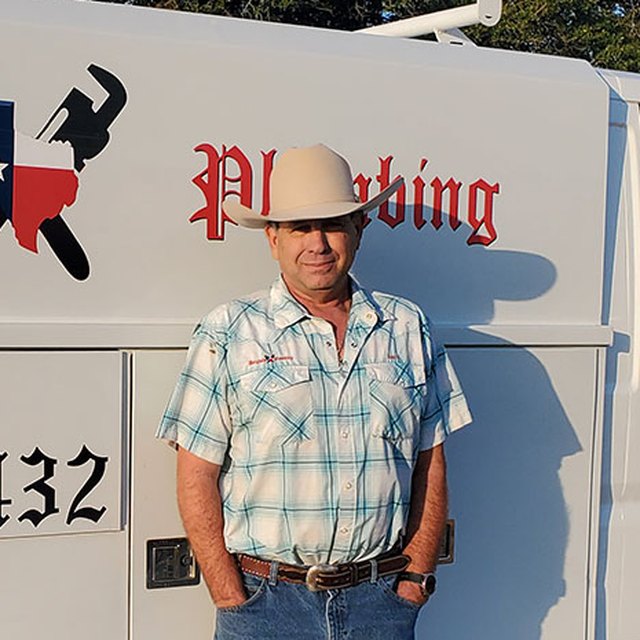
David Engel, owner, Bergheim Plumbing
David Engel started Bergheim Plumbing in Spring Branch in 1998 and holds Texas master plumber license M-36766. His son Colton works the trucks with him.