Quick facts
- A properly selected retail system can perform well, while professional installation offers additional guidance and assistance with fitting the equipment into a home's existing plumbing.
- A water softener should be appropriate for the water entering the home.
- The performance of a water softener depends partly on how it is connected and configured.
- Water softeners require ongoing attention, and homeowners may eventually need assistance with equipment maintenance or repairs.
Buying a water softener may seem straightforward until it comes time to compare equipment, installation requirements, and ongoing support. Homeowners can purchase systems from retail stores, work with a plumbing professional to select and install equipment, or combine both approaches by having a plumber install a separately purchased unit.
The difference between a store-bought and a professionally installed water softener is not necessarily the quality of the equipment itself. What matters is whether the system meets the home's water conditions, is installed correctly, and has appropriate service support.
For homeowners in Spring Branch and the surrounding Texas Hill Country, understanding these differences can make the purchasing decision easier and help prevent avoidable installation problems.
What's the Difference Between Store-Bought and Professionally Installed Water Softeners?
Store-bought and professionally installed water softeners are often presented as entirely different products. In reality, the distinction usually involves how the equipment is selected, purchased, installed, and supported.
A properly selected retail system can perform well, while professional installation offers additional guidance and assistance with fitting the equipment into a home's existing plumbing.
Buying a Water Softener From a Retailer
Home improvement stores and online retailers offer residential water softeners with different capacities, features, and operating controls. Homeowners can compare specifications, review manufacturer information, and choose equipment based on their requirements.
The primary responsibility is determining whether the selected system is suitable for the home's water conditions and plumbing.
Product descriptions may provide general guidance about household size and softening capacity, but buyers should also consider installation compatibility and any requirements specified by the manufacturer.
Some homeowners arrange professional installation after purchasing the equipment, while others consider handling the work themselves. The appropriate approach depends on the plumbing involved, local requirements, and the homeowner's qualifications.
Working With a Plumber From the Start
When homeowners work with a plumbing professional before purchasing a water softener, the equipment recommendation can take the existing plumbing and water conditions into account.
A plumber can review the installation location, assess relevant water-treatment requirements, and explain whether modifications may be necessary.
This approach may also simplify communication because the homeowner can discuss equipment selection and installation with the same service provider.
However, professional installation does not automatically mean every recommended product is superior. Homeowners should still understand the equipment specifications and why a particular system is appropriate.
Can a Plumber Install a Store-Bought Water Softener?
Yes, depending on the equipment and the plumber's service policies. Purchasing a water softener from a retailer does not necessarily mean the homeowner must install it.
However, it is worth contacting the intended installer before making the purchase. Some plumbing companies have requirements regarding the brands, models, or equipment they are willing to install.
Homeowners should also confirm how installation workmanship and manufacturer warranty coverage will be handled when the equipment is supplied separately.
What Should Homeowners Compare Before Buying a Water Softener?
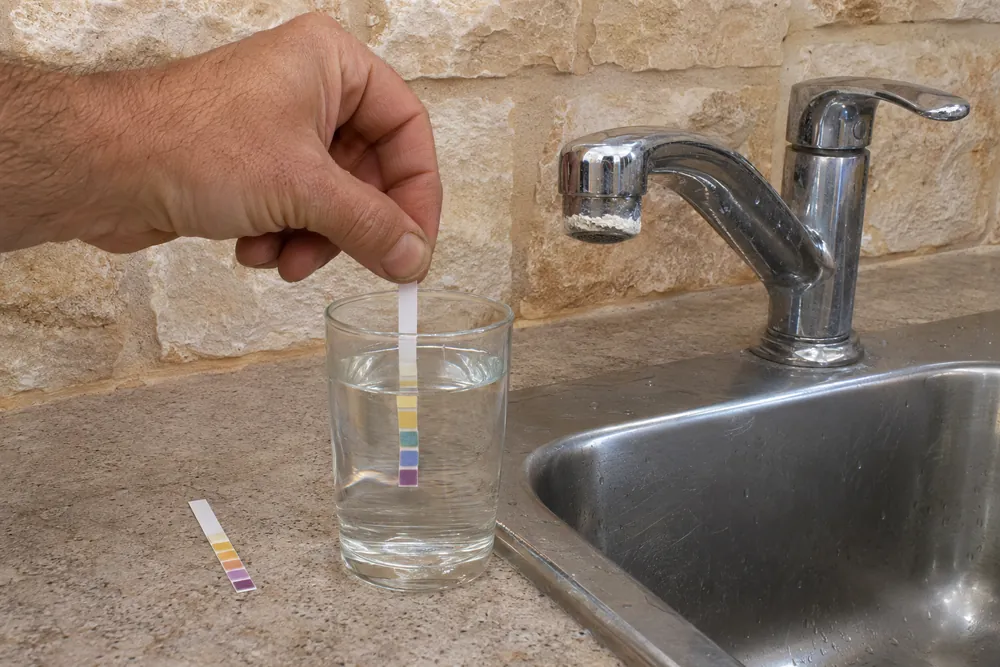
Equipment comparisons should go beyond brand names and product descriptions. Two water softeners may appear similar but have different capacities, operating features, maintenance requirements, and manufacturer support.
Understanding these distinctions helps homeowners evaluate products without assuming that one purchasing channel automatically provides better equipment.
Compatibility With Household Water Conditions
A water softener should be appropriate for the water entering the home. Hardness levels, daily water use, and any additional water-quality concerns can influence equipment suitability.
In the Texas Hill Country, water conditions vary between properties, including homes served by municipal systems and private wells.
A softener that works well for one household may not be the best match for another. Private well water may also require additional evaluation if it contains elevated levels of iron or other substances that affect treatment requirements.
Water hardness information and relevant testing results provide a useful starting point for comparing equipment.
Equipment Efficiency and Performance Standards
Water softeners differ in how efficiently they use water and salt during regeneration. Some systems initiate regeneration based on water usage, while others follow a programmed schedule.
These features can influence ongoing maintenance and operating requirements.
The U.S. Environmental Protection Agency recommends considering water and salt efficiency and looking for appropriate NSF/ANSI 44 certification when selecting residential water softeners.
Homeowners can review manufacturer specifications to understand how a particular model performs rather than relying solely on broad claims about retail or professionally supplied equipment.
Replacement Parts and Manufacturer Support
A water softener is equipment that may require maintenance and replacement parts over time. Before purchasing, homeowners should consider whether service information, compatible components, and manufacturer assistance are readily available.
This applies to both retail and professionally supplied systems.
Some manufacturers provide direct customer support, while others coordinate service through authorized dealers or installers. Understanding these arrangements can make future maintenance easier to manage.
Why Does Professional Installation Matter?
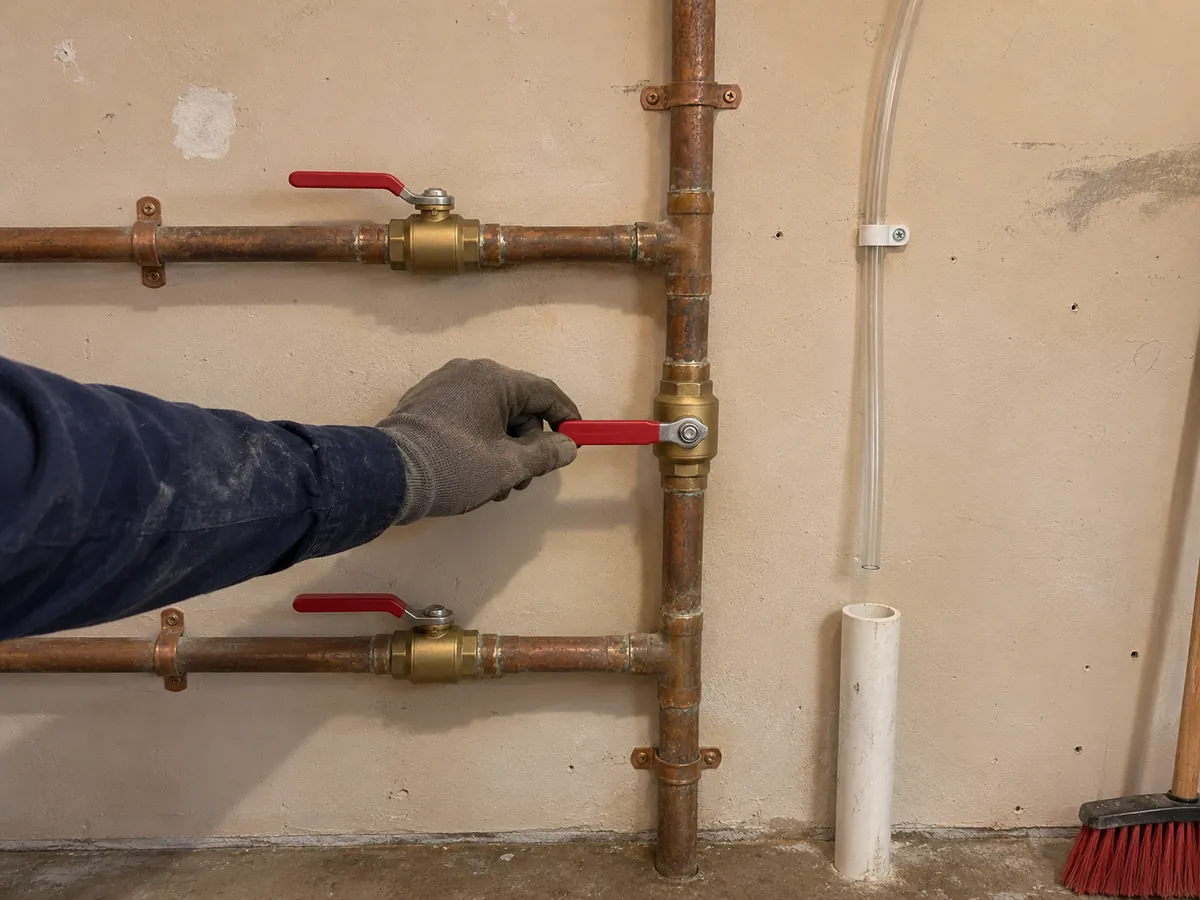
The performance of a water softener depends partly on how it is connected and configured. Even suitable equipment can experience problems if the installation does not meet the manufacturer's requirements or the home's plumbing needs.
Professional installation helps address these considerations, whether the system was purchased through a retailer or supplied by the plumbing company.
Matching the Equipment to Existing Plumbing
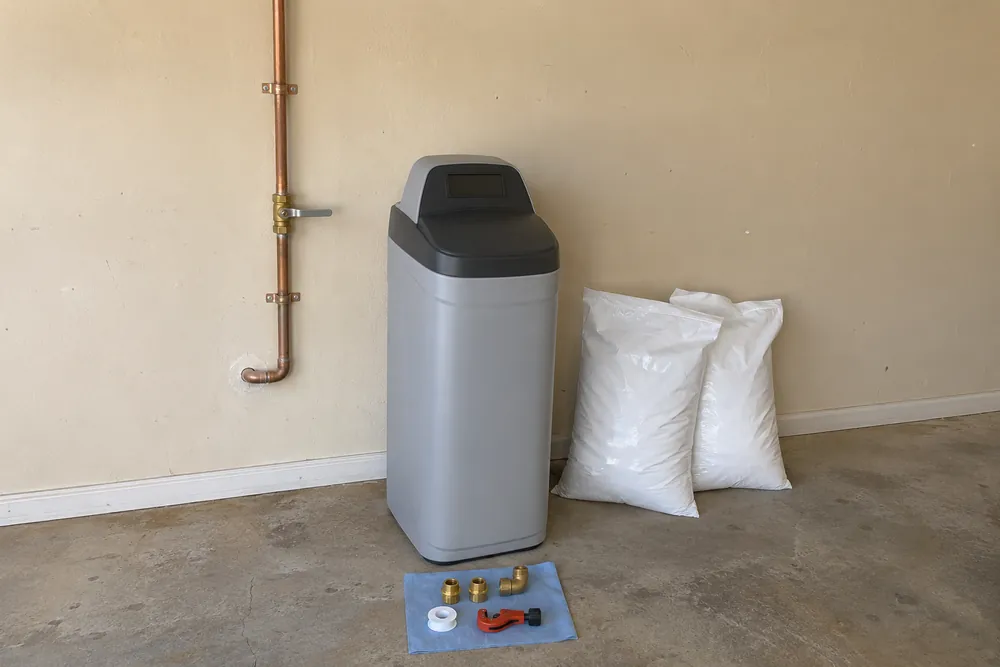
A water softener must be compatible with the home's water supply arrangement, available installation space, and drainage requirements.
Existing plumbing may already have connections intended for a softener, particularly if the property previously used one. Other homes may require additional plumbing modifications.
Before purchasing equipment, homeowners should confirm whether the selected model can be accommodated without unexpected changes to the installation plan.
A plumber can help identify compatibility issues and explain the work necessary to connect the system properly.
Proper Configuration and Initial Setup
Water softeners have operating controls that must be configured according to the manufacturer's instructions and relevant household conditions.
Depending on the model, this may involve settings related to water hardness, usage, and regeneration. Correct configuration helps the equipment operate as intended and avoid unnecessary regeneration.
Some retail products include detailed setup instructions, but homeowners who are unfamiliar with water-treatment equipment may prefer professional assistance.
The advantage is having someone familiar with plumbing systems evaluate the completed installation rather than relying solely on factory settings.
Understanding Installation Requirements
Water softener installations may involve water supply connections, bypass arrangements, regeneration drainage, and access to utilities.
The specific requirements depend on the equipment and property. Applicable plumbing codes and manufacturer instructions should be considered before work begins.
A professional plumber can evaluate these requirements and determine whether the home's existing setup is suitable.
This is particularly useful when the plumbing is older, the installation space is limited, or the property has an unusual water supply arrangement.
What Happens After the Water Softener Is Installed?
The purchasing decision should also account for what happens after installation. Water softeners require ongoing attention, and homeowners may eventually need assistance with equipment maintenance or repairs.
Understanding who provides support and what warranties cover is important regardless of where the system was purchased.
Equipment Warranties Versus Installation Warranties
A manufacturer's equipment warranty and a plumber's workmanship warranty are not necessarily the same.
The equipment warranty generally addresses specified product defects under the manufacturer's terms. Installation-related coverage, when provided, concerns the work performed by the installer.
Coverage periods, exclusions, labor provisions, and service procedures vary. A retail softener may have a useful manufacturer warranty, while a professionally supplied system may involve separate equipment and installation protections.
Homeowners should review these details before purchasing rather than assuming that either option includes comprehensive coverage.
Who Handles Future Service?
With a separately purchased retail softener, homeowners may need to coordinate between the manufacturer, retailer, and installer when a problem develops.
For example, an equipment defect may require manufacturer assistance, while a leaking plumbing connection may involve the installer.
When equipment and installation are arranged through one plumbing company, the homeowner may have a more straightforward initial point of contact. However, actual service responsibilities still depend on the company's policies and applicable warranty terms.
The important consideration is knowing whom to contact and what assistance is available after installation.
Considering the Full Scope of Ownership
The initial equipment purchase is only one part of owning a water softener.
Homeowners should also consider installation work, supplies, maintenance, possible replacement parts, and future service requirements.
A retail purchase may provide flexibility in choosing equipment, while arranging selection and installation through a plumber may simplify the process.
Neither approach guarantees lower long-term expenses. The better comparison is whether the selected equipment and service arrangements meet the household's needs.
Which Option Makes Sense for Hill Country Homeowners?
There is no single purchasing approach that works best for every household. The decision depends on water conditions, plumbing compatibility, available equipment, and how much assistance the homeowner wants during selection and installation.
For homes in Spring Branch, Boerne, Bulverde, and nearby communities, local water conditions are worth considering before making that decision.
When a Store-Bought Water Softener May Be Suitable
A retail purchase can be a practical option when the homeowner has reliable information about water hardness and understands the equipment's requirements.
It may also be suitable when the property already has compatible plumbing and a qualified installer is available to handle the work.
The key is confirming compatibility before purchasing. Homeowners should review the manufacturer's specifications and establish who will provide installation and future service support.
A store-bought system should be evaluated based on its actual capabilities rather than dismissed simply because it comes from a retailer.
When Working With a Plumber May Be More Practical
Starting with a plumbing professional may be especially useful when the home's water conditions are uncertain or the existing plumbing requires evaluation.
Properties using private wells, older plumbing systems, or equipment with unusual installation requirements may benefit from additional planning.
Professional assistance can also be helpful for homeowners who prefer guidance on equipment selection and want installation coordinated through one provider.
The objective is not necessarily to purchase the most complex system, but to find equipment that is appropriate for the household and can be installed and maintained properly.
Questions Worth Asking Before Making a Decision
Before buying a water softener, homeowners should be able to explain why the equipment is suitable for their water conditions and who will be responsible for installing it.
It is also worth confirming whether the proposed installation includes necessary plumbing modifications, what the manufacturer's warranty covers, and how future service requests will be handled.
These questions apply to both retail purchases and professionally supplied systems. Clear answers make the comparison more meaningful than relying on promotional claims or general assumptions about equipment quality.
Professional Water Softener Installation With Bergheim Plumbing
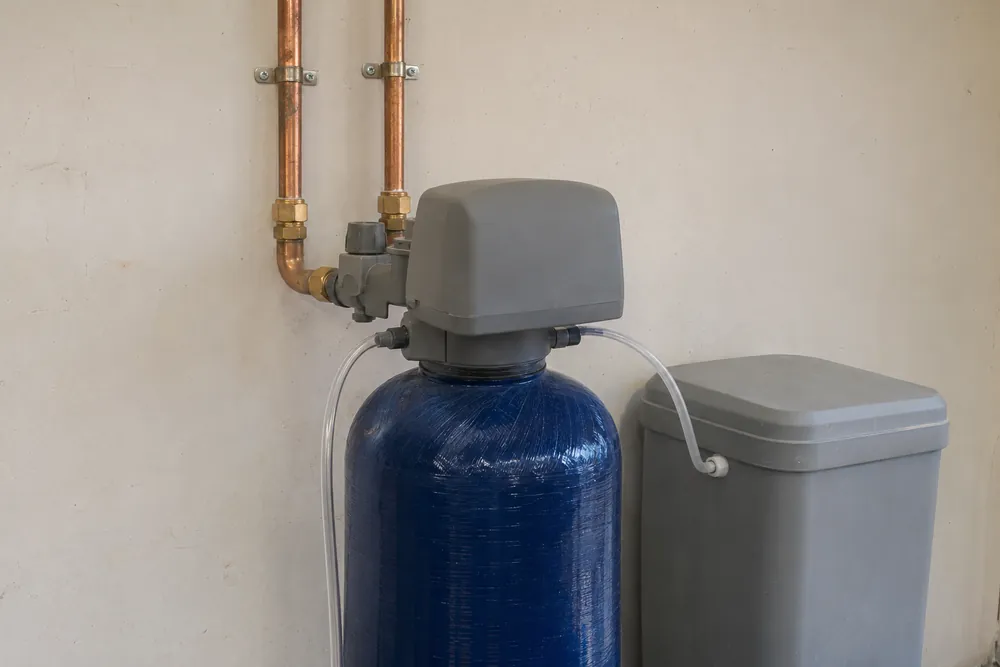
Bergheim Plumbing has served homeowners throughout the Texas Hill Country since 1998. As a family-owned plumbing company, it emphasizes practical recommendations, transparent communication, and dependable workmanship.
For homeowners considering a water softener, the company provides professional installation services that account for the home's plumbing and water-treatment needs.
Water Softener Recommendations for Local Homes
Household water conditions can vary throughout Spring Branch and surrounding communities. An appropriate water softener should reflect those conditions and the home's daily water requirements.
Bergheim Plumbing provides water softener installation services for homeowners looking for professional assistance with their equipment and plumbing.
The focus is on helping homeowners understand what their property needs rather than assuming that every home requires the same system.
Straightforward Service From a Family-Owned Company
Choosing a water softener involves more than selecting a product. Homeowners also need to understand the proposed installation work, equipment requirements, and available options.
Bergheim Plumbing's approach reflects its long-standing commitment to treating customers fairly and explaining plumbing recommendations clearly.
For homeowners who would prefer professional guidance instead of coordinating equipment selection and installation separately, the company offers a local option backed by decades of Hill Country plumbing experience.
Choose the Right Water Softener Installation Approach
The difference between store-bought and professionally installed water softeners is not simply about where the equipment comes from. A successful installation depends on choosing suitable equipment, accounting for the home's plumbing, and understanding what support is available afterward.
Retail systems can be effective when properly selected and installed. Working with a plumbing professional can provide additional guidance and simplify the process, particularly when household water conditions or installation requirements are less straightforward.
For homeowners in Spring Branch, Boerne, Bulverde, Bergheim, and surrounding Hill Country communities, Bergheim Plumbing provides professional water softener installation with an emphasis on practical recommendations and straightforward service.
Contact Bergheim Plumbing to discuss your home's water softener needs and explore an installation approach that makes sense for your property.
Frequently asked questions
Are Store-Bought Water Softeners Less Effective?
Not necessarily. A properly selected and installed retail water softener can perform effectively. Results depend on the equipment's capabilities, water conditions, configuration, and maintenance rather than where it was purchased.
Can a Professionally Installed Water Softener Come From a Retail Store?
Yes. Some plumbers install homeowner-supplied equipment, although policies vary. It is important to confirm that the installer accepts the selected model and understand how warranties and service responsibilities will be handled.
Does Professional Installation Automatically Provide Better Warranty Coverage?
No. Manufacturer warranties and installation warranties vary by equipment and service provider. Homeowners should review the actual terms, including labor coverage and how warranty claims are processed.
Do Hill Country Homes Need Professional Water Testing Before Buying a Softener?
Not every home requires the same testing process, but reliable water-hardness information is important. Municipal water providers may supply useful information, while private well owners may benefit from testing that addresses hardness and other relevant water-quality concerns.
Is Professional Installation Worth Considering for a Replacement Water Softener?
Yes, particularly when the replacement equipment has different connection requirements or the existing plumbing needs attention. Professional installation can help establish compatibility and confirm that the equipment is connected and configured according to its requirements.

About the author
David Engel, owner, Bergheim Plumbing
David Engel started Bergheim Plumbing in Spring Branch in 1998 and holds Texas master plumber license M-36766. His son Colton works the trucks with him.
Sources: the outside pages this article cites.