Quick facts
- Water heaters often show signs of declining performance before they stop working completely.
- Repairing an existing water heater can be a practical option when the equipment is relatively new, structurally sound, and experiencing a problem involving a replaceable component.
- Traditional storage water heaters often have an expected service life of roughly 10 to 15 years, although actual longevity varies significantly.
- The replacement process should involve more than choosing a unit with the same tank capacity as the existing system.
Hot water is an essential part of everyday life, from morning showers and laundry to washing dishes and cleaning around the house. When a water heater starts making unusual noises, delivers inconsistent temperatures, or stops producing hot water altogether, homeowners face an important decision: repair the existing system, replace it with a new unit, or upgrade to a tankless water heater.
For homeowners throughout the Texas Hill Country, including Spring Branch, Bergheim, Boerne, Bulverde, and surrounding communities, this decision can be influenced by several factors. The age of the water heater, household water usage, energy efficiency, and local water quality all play a role in determining the most practical solution.
Hard water is another important consideration. Mineral deposits can accumulate inside water heaters, affecting performance and contributing to maintenance problems over time. Homes supplied by private wells may also have different water quality and pressure characteristics than properties connected to municipal water systems.
Understanding the available options can help homeowners avoid unnecessary repairs, select appropriately sized equipment, and make informed decisions about long-term plumbing investments.
This comprehensive guide explains the differences between traditional and tankless water heaters, common warning signs, repair considerations, replacement options, and the factors that matter most when choosing a system for a Hill Country home.
Understanding Water Heater Systems in Texas Hill Country Homes
Water heaters are available in several designs, each with different operating characteristics, installation requirements, and maintenance needs. Selecting the right system begins with understanding how these options produce and deliver hot water.
Traditional Storage Tank Water Heaters
Traditional tank water heaters are among the most familiar systems found in residential properties.
These units store a designated amount of heated water in an insulated tank, typically using electricity or natural gas as the energy source.
When someone turns on a hot water faucet, heated water leaves the tank and travels through the home's plumbing system. Cold water enters the tank to replace it, and the heating system works to restore the desired temperature.
Common residential tank capacities include 40-gallon and 50-gallon models, although smaller and larger options are available.
The appropriate capacity depends on household size, daily water consumption, and how frequently several fixtures are used at the same time.
Traditional tank systems offer several advantages:
- Familiar technology with widely available replacement options
- Predictable hot water storage capacity
- Compatibility with many existing plumbing installations
- Generally lower initial equipment costs than tankless conversions
- Multiple gas and electric models for different household needs
However, storage tank systems have limitations.
Because water is stored at a maintained temperature, energy may be consumed even when nobody is using hot water. This is known as standby heat loss.
The available hot water supply is also limited by the tank's storage capacity and recovery rate.
During periods of heavy demand, such as several consecutive showers, the stored hot water may be depleted faster than the system can replenish it.
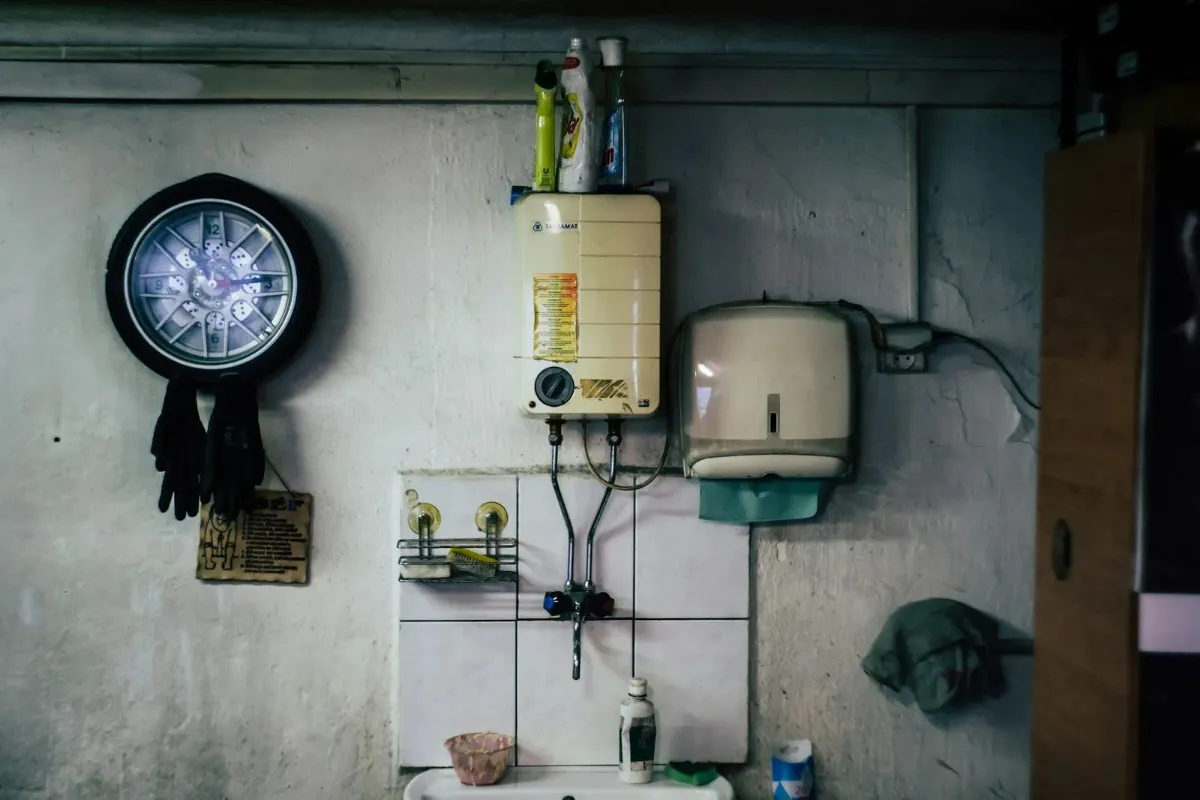
Tankless and Heat Pump Water Heaters
Tankless water heaters operate differently from traditional storage systems.
Instead of keeping a large volume of water heated inside a tank, they heat water as it passes through the unit.
When a hot water fixture opens, the system detects water flow and activates its heating components.
Once the fixture closes, the heating process stops.
This approach reduces the standby energy losses associated with storing hot water.
Tankless systems are available in gas and electric configurations, although their installation requirements and heating capacities differ.
Another option is a heat pump water heater, sometimes called a hybrid electric water heater.
These systems use electricity to transfer heat from the surrounding air into stored water rather than relying entirely on conventional electric resistance heating.
Heat pump models can be energy efficient, but they require suitable installation space, airflow, and operating conditions.
For Hill Country homeowners, comparing these technologies involves evaluating the existing plumbing system, available energy sources, household demand, and installation location.
No single water heater type is ideal for every property.
Common Water Heater Problems and Warning Signs
Water heaters often show signs of declining performance before they stop working completely.
Recognizing these symptoms can help homeowners arrange an inspection before a minor issue becomes a larger plumbing problem.
Some symptoms indicate routine maintenance needs, while others suggest equipment deterioration or a potential safety concern.
Inconsistent Water Temperature and Reduced Hot Water Supply
One of the most common complaints involves hot water that becomes lukewarm or runs out sooner than expected.
Several issues can contribute to this problem.
In electric storage water heaters, a failed heating element or thermostat may prevent the unit from heating water properly.
Gas systems may experience burner, ignition, thermostat, or control-related problems.
Sediment accumulation can also affect heating performance, particularly in areas with mineral-rich water.
Signs of reduced water heater performance include:
- Hot water running out during normal household use
- Water taking longer than usual to heat
- Sudden changes between hot and lukewarm water
- Inadequate hot water during consecutive showers
- Reduced performance at multiple plumbing fixtures
It is important to distinguish a water heater problem from an issue affecting an individual fixture.
For example, inconsistent temperatures at only one shower may indicate a malfunctioning mixing valve rather than a failing water heater.
A professional plumbing inspection can help identify the actual source of the problem.
Odd Noises, Leaks, or Discolored Hot Water
Water heaters may produce occasional operating sounds, but persistent popping, rumbling, or banging can indicate an underlying issue.
In storage tank systems, sediment can pile up on the tank floor.
As water heats, trapped water beneath sediment layers may produce popping or rumbling sounds.
Other warning signs include visible moisture around the unit, corrosion on connections, or unexplained water accumulation near the tank.
Rust-colored hot water may indicate corrosion somewhere in the hot water system, although the source could also be piping or other plumbing components.
A leaking fitting or valve may be repairable. A leak originating from a corroded tank body usually indicates that replacement is necessary.
Homeowners should also pay attention to safety-related symptoms.
Gas odors, suspected combustion problems, or signs of improper venting require immediate attention.
If a gas leak is suspected, leave the area and contact the gas utility or emergency services from a safe location.
Electrical faults and significant water leaks should also be handled by qualified professionals.
Ignoring these warning signs can increase the risk of property damage or equipment failure.
Water Heater Repair Options and Maintenance Considerations
Repairing an existing water heater can be a practical option when the equipment is relatively new, structurally sound, and experiencing a problem involving a replaceable component.
However, the decision should be based on the condition of the complete system rather than the immediate repair cost alone.
Water Heater Problems That May Be Repairable
Several water heater components can be inspected and replaced without installing an entirely new system.
Depending on the equipment type and diagnosis, common repairs may involve heating elements, thermostats, ignition components, controls, valves, or plumbing connections.
For electric water heaters, a faulty heating element may prevent the tank from reaching the desired temperature.
A malfunctioning thermostat can also affect heating performance.
Gas water heaters have different components, including burners, gas controls, and ignition systems.
These components require appropriate testing and service procedures.
A plumber may also identify leaking connections, worn valves, or other serviceable issues.
Before authorizing repairs, homeowners should understand:
- The specific component causing the problem
- The age and general condition of the water heater
- Whether replacement parts are available
- The estimated repair cost
- The likelihood of additional problems developing
- The remaining expected service life of the equipment
A repair may make financial sense when it restores reliable operation without requiring extensive work.
However, replacing one component does not reverse corrosion, structural deterioration, or general aging throughout the unit.
Hard Water and Sediment Buildup in Hill Country Homes
Water quality is an important factor in water heater maintenance throughout the Texas Hill Country.
Hard water contains dissolved minerals, primarily calcium and magnesium.
When mineral-rich water is heated, deposits can form on internal surfaces and heating components.
Over time, this buildup may affect heat transfer, contribute to unusual noises, and increase maintenance requirements.
Sediment accumulation can be particularly noticeable in traditional storage tank water heaters.
Tankless systems can also experience mineral scaling inside their heat exchangers and water passages.
The severity of these issues depends on the actual water chemistry, operating temperatures, equipment design, and maintenance history.
Homes supplied by private wells may have different mineral concentrations than properties using municipal water.
For this reason, water testing can be valuable when recurring scale buildup or other water quality problems occur.
Potential maintenance measures include professional inspection, manufacturer-recommended flushing or descaling, and evaluating whether water treatment is appropriate.
Water softeners may help reduce hardness-related scale, but the need for treatment should be determined by actual water conditions.
Homeowners should follow the water heater manufacturer's maintenance instructions rather than assuming every system requires the same service schedule.
Repair Decisions Based on Equipment Age
Age is another important factor when deciding whether to repair a water heater.
Traditional storage water heaters often have an expected service life of roughly 10 to 15 years, although actual longevity varies significantly.
Some units fail earlier, while others remain operational longer with appropriate conditions and maintenance.
An older water heater with repeated problems may no longer be a practical candidate for continued repairs.
For example, replacing a minor component on a relatively new unit may be reasonable.
Spending heavily on a much older system with corrosion and recurring performance issues may be less economical.
The decision should consider repair costs, equipment condition, efficiency, and the risk of another failure.
A professional assessment can help homeowners compare these factors before making a final decision.
Water Heater Replacement and Choosing the Right Size
Replacing a water heater provides an opportunity to address performance problems and select equipment that better matches current household needs.
The replacement process should involve more than choosing a unit with the same tank capacity as the existing system.
Household occupancy, fixture usage, fuel availability, and installation requirements can all influence the appropriate selection.
Signs That Water Heater Replacement Is the Better Option
Some water heater problems are better addressed through replacement than repair.
A leaking storage tank is one of the clearest examples.
When corrosion compromises the tank itself, replacing external components generally will not resolve the underlying problem.
Repeated breakdowns can also make replacement more practical.
Homeowners should consider replacement when:
- The storage tank is leaking from its body
- Corrosion is extensive
- Repair costs are high relative to replacement
- Multiple major components are deteriorating
- Hot water demand consistently exceeds system capacity
- The unit has recurring problems despite previous repairs
Age alone does not automatically mean a water heater must be replaced.
A well-maintained older system may still operate adequately.
However, age combined with frequent repairs, declining efficiency, or visible deterioration strengthens the case for replacement.
Replacing equipment before a major failure may also help homeowners plan the installation rather than dealing with an unexpected loss of hot water.
Selecting Water Heater Capacity for Household Demand
Proper sizing is essential for reliable hot water delivery.
For storage tank systems, the number of gallons in the tank is only one consideration.
The first-hour rating indicates approximately how much hot water a fully heated system can deliver during an hour of use.
This measurement accounts for stored hot water and the unit's ability to heat additional water.
A household with several bathrooms and overlapping morning routines may need a higher first-hour rating than a smaller home with limited simultaneous demand.
Important sizing factors include the number of residents, shower usage, laundry schedules, dishwasher operation, and other hot water fixtures.
Tankless water heaters are sized differently.
Their capacity is generally evaluated using the flow rate they can deliver at a specified temperature rise.
This makes simultaneous fixture usage especially important.
A system serving two showers at once may need substantially greater heating capacity than one serving a single bathroom.
An appropriately sized water heater should meet normal household demand without unnecessary oversizing.
Installation Requirements and Long-Term Costs
Water heater replacement costs depend on the selected equipment and installation conditions.
A straightforward replacement using the same energy source and a similar configuration may require less modification than a conversion to another system type.
Changes involving gas piping, electrical service, venting, condensate drainage, or equipment location can increase installation complexity.
Homeowners should evaluate both initial and long-term costs.
Energy efficiency is commonly compared using the Uniform Energy Factor, or UEF.
A higher UEF generally indicates more efficient operation when comparing appropriate models within the same water heater category and draw pattern.
However, actual operating expenses also depend on energy prices, household water consumption, and installation conditions.
Comparing equipment efficiency alongside installation costs helps homeowners make a more informed purchasing decision.
Tankless Water Heaters for Hill Country Homes
Tankless water heaters have become an appealing alternative for homeowners interested in energy efficiency, compact equipment, and heating water as needed.
However, switching from a traditional tank to a tankless system involves practical considerations.
Understanding both the benefits and limitations is essential before making the investment.
Benefits of Switching to a Tankless Water Heater
A tankless system heats water when a fixture calls for it rather than maintaining a large stored supply.
This operating method reduces standby heat loss and can improve energy efficiency under suitable conditions.
Tankless units are also compact, making them useful where installation space is limited.
Because they do not depend on a fixed reservoir of stored hot water, properly sized systems can support extended periods of use.
Potential benefits include:
- Reduced standby energy consumption
- Compact equipment design
- Continuous heating during operation
- Potentially longer equipment life
- Flexible installation options for suitable properties
Tankless water heaters can often last 20 years or longer with appropriate installation and maintenance, although actual service life varies.
Their performance depends heavily on proper sizing.
A tankless unit does not provide unlimited hot water at unlimited flow.
If several showers, faucets, and appliances operate simultaneously, the system must have enough heating capacity to meet the combined demand.
An undersized unit may struggle to maintain the desired temperature when multiple fixtures are running.
Tankless Installation and Hard Water Considerations
Converting to a tankless water heater may require changes to the home's existing infrastructure.
Gas-fired models can have different fuel supply and venting requirements from traditional storage water heaters.
Electric tankless systems may require substantial electrical capacity, depending on the unit and expected demand.
A qualified installer should evaluate these requirements before recommending a conversion.
Water quality is another important consideration for Hill Country properties.
Mineral scaling can affect the heat exchanger and internal water passages of tankless systems.
Where water hardness is elevated, manufacturer-recommended descaling and appropriate water treatment may help manage these issues.
Homeowners should also understand that tankless equipment does not necessarily deliver hot water to distant faucets instantly.
The time required for heated water to reach a fixture still depends on pipe length, flow, and plumbing layout.
A recirculation system may reduce waiting time in some installations, but it adds its own design and energy considerations.
Tankless Versus Traditional Water Heater Comparison
| Feature | Traditional Tank | Tankless |
|---|---|---|
| Heating method | Stores heated water | Heats water on demand |
| Hot water capacity | Limited by storage and recovery | Limited by flow rate and heating capacity |
| Equipment size | Larger storage tank | More compact |
| Initial cost | Often lower | Often higher |
| Energy use | Includes standby heat loss | Reduces storage-related standby loss |
| Maintenance | Tank and component maintenance | Heat exchanger and component maintenance |
| Typical service life | Often 10, 15 years | Can exceed 20 years |
| Installation | May suit existing connections | Conversion may require upgrades |
The better choice depends on household priorities.
A traditional tank may be appropriate for homeowners seeking a familiar system with a lower initial investment.
A tankless model may be attractive for households interested in reducing standby losses and accommodating longer periods of hot water use.
Neither option should be selected without considering the home's actual demand and installation requirements.
Making the Right Water Heater Decision for Your Hill Country Home

Choosing between water heater repair, replacement, and tankless conversion requires evaluating the condition of the existing equipment alongside household needs.
The lowest immediate cost is not always the most economical long-term solution.
Similarly, the most advanced system is not necessarily the best fit for every home.
A structured decision process can help homeowners compare the available options.
Repair, Replacement, and Tankless Decision Checklist
Begin by reviewing the age and condition of the existing water heater.
A newer unit with a minor component failure may be a reasonable repair candidate.
An older tank with corrosion, repeated breakdowns, or a structural leak may be better suited for replacement.
Next, evaluate household hot water demand.
Changes in family size, additional bathrooms, or increased appliance usage can affect the required capacity.
Water quality should also be considered, particularly in homes experiencing recurring mineral buildup.
A useful decision checklist includes:
- Check equipment age and condition. Review the installation date, visible deterioration, and previous repairs.
- Identify the actual problem. Determine whether the issue involves a replaceable component or more extensive damage.
- Compare repair and replacement costs. Consider future reliability rather than immediate expenses alone.
- Evaluate household demand. Account for simultaneous showers, appliances, and other fixtures.
- Review water quality. Investigate hardness and scaling when maintenance problems recur.
- Assess installation requirements. Confirm whether gas, electrical, venting, or plumbing modifications are necessary.
- Compare long-term operating costs. Consider efficiency, energy rates, and expected maintenance.
These steps provide a practical framework for discussing options with a licensed plumbing professional.
Water Heater Maintenance for Long-Term Performance
Regular maintenance can help identify developing problems and support reliable operation.
The appropriate schedule depends on the manufacturer's instructions, equipment type, and water conditions.
Homeowners can monitor visible leaks, unusual noises, inconsistent temperatures, and changes in hot water availability.
Professional maintenance may involve inspecting components, checking for corrosion, evaluating safety devices, and performing recommended flushing or descaling.
Tankless systems may require periodic heat exchanger maintenance, particularly when mineral scaling is a concern.
Storage tank systems may require attention to sediment accumulation and corrosion protection components.
Temperature settings should also be reviewed to balance comfort, energy use, and scalding risks.
Homeowners should avoid attempting repairs involving gas connections, electrical components, or pressurized safety devices without the appropriate training.
Preventive maintenance cannot eliminate every failure, but it can help identify issues before they become more disruptive.
Frequently asked questions
How Long Does a Water Heater Typically Last?
A traditional storage water heater commonly lasts 10 to 15 years. A tankless system may last 20 years or longer. Actual lifespan depends on water quality, installation, maintenance, and operating conditions.
When Should You Repair or Replace a Water Heater?
Repair is often appropriate for a relatively new unit with a serviceable component problem. Replacement may be more practical when the tank leaks, corrosion is extensive, or recurring repairs become expensive.
Are Tankless Water Heaters Suitable for Large Families?
Yes, tankless water heaters can serve larger households when properly sized for simultaneous hot water demand. The required capacity depends on fixture flow rates and the temperature increase needed.
How Does Hard Water Affect Water Heaters?
Hard water can contribute to mineral deposits inside storage tanks and tankless heat exchangers. Water testing and manufacturer-recommended maintenance can help determine the appropriate response.
What Are the Requirements for Water Heater Installation?
Installation requirements depend on the system type, energy source, location, and applicable plumbing and building codes. Converting to tankless equipment may require changes to gas, electrical, or venting systems.
Can an Energy-Efficient Water Heater Reduce Utility Bills?
Yes, an energy-efficient water heater may help reduce utility bills. Actual savings depend on the selected equipment, household usage, local utility rates, and installation conditions. Comparing efficiency ratings and estimated operating costs can help homeowners evaluate different systems.
Schedule Water Heater Service With Bergheim Plumbing
Whether your water heater needs a repair, is approaching the end of its service life, or you're considering a tankless upgrade, choosing the right solution starts with understanding your home's plumbing needs.
Bergheim Plumbing provides water heater repair, installation, and plumbing services for homeowners in Spring Branch, Bergheim, Boerne, Bulverde, and surrounding Texas Hill Country communities.
From diagnosing inconsistent hot water to evaluating replacement options and hard water concerns, professional guidance can help you make a practical decision for your home.
Visit Bergheim Plumbing to discuss your water heater concerns and schedule a professional plumbing service.
Technical references used for this guide: U.S. Department of Energy guidance on tankless water heaters, sizing and efficiency, and U.S. Geological Survey information on water hardness and mineral scaling.
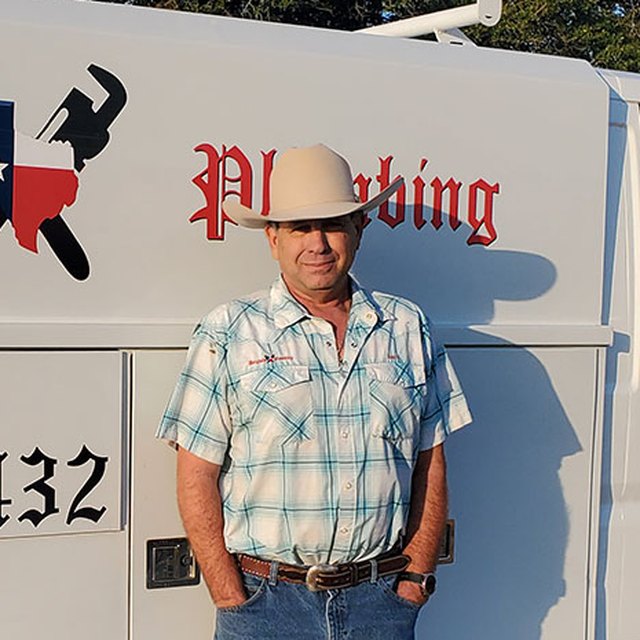
About the author
David Engel, owner, Bergheim Plumbing
David Engel started Bergheim Plumbing in Spring Branch in 1998 and holds Texas master plumber license M-36766. His son Colton works the trucks with him.