Quick facts
- The Texas Hill Country contains extensive limestone formations, which can contribute to mineral-rich groundwater in many locations.
- Scaling can become particularly noticeable in equipment that heats water.
- Water softeners are designed to reduce hardness minerals before water reaches household plumbing fixtures and appliances.
- Selecting a water softener involves more than choosing the largest available unit.
Hard water is a common concern for homeowners throughout the Texas Hill Country. From Spring Branch and Bergheim to Boerne, Bulverde, and surrounding communities, mineral-rich water can affect everyday household activities, plumbing fixtures, and water-using appliances.
Many homeowners first notice hard water through white deposits around faucets, cloudy glassware, or soap that does not lather easily. Others discover the problem when mineral buildup begins affecting showerheads, water heaters, or household plumbing equipment.
Although hard water is not generally considered a health hazard, it can create maintenance challenges and reduce the effectiveness of cleaning products. Over time, mineral deposits may also contribute to reduced water flow and additional wear on certain appliances.
A properly selected water softener can help manage these problems by reducing the calcium and magnesium responsible for water hardness. However, not every home requires the same treatment system.
Water quality, household consumption, plumbing configuration, and maintenance preferences all influence the right solution.
This guide explains the causes of hard water in the Texas Hill Country, common warning signs, water softener options, installation considerations, and practical steps for maintaining better water quality at home.
Understanding Hard Water in the Texas Hill Country

Hard water contains elevated concentrations of dissolved minerals, primarily calcium and magnesium. These minerals naturally enter groundwater as water moves through soil, limestone, and other geological formations.
The Texas Hill Country contains extensive limestone formations, which can contribute to mineral-rich groundwater in many locations.
However, water hardness varies between communities and individual properties. Homes using private wells may experience different mineral concentrations from those connected to public water systems.
Causes of Mineral-Rich Water in Hill Country Homes
Rainwater and groundwater interact with underground rock formations as they travel through the environment.
When water moves through limestone and other mineral-bearing materials, calcium and magnesium can dissolve into the water supply.
These dissolved minerals remain present when the water enters residential plumbing systems.
Water hardness is commonly measured in grains per gallon (gpg) or milligrams per liter (mg/L) expressed as calcium carbonate.
A commonly used classification is:
| Water Hardness | Grains per Gallon | Classification |
|---|---|---|
| 0, 3.5 | 0, 3.5 | Soft |
| 3.5, 7 | 3.5, 7 | Moderately hard |
| 7, 10.5 | 7, 10.5 | Hard |
| Above 10.5 | Above 10.5 | Very hard |
These ranges are approximate, and classification systems can differ slightly.
Because hardness can vary considerably, homeowners should test their water rather than assume that every Hill Country property has the same mineral levels.
Common Signs of Hard Water Around the Home
Hard water often produces visible signs before homeowners recognize the underlying cause.
White or chalky deposits around faucets are among the most recognizable indicators.
These deposits form when water evaporates and leaves dissolved minerals behind.
Other common symptoms include:
- White mineral buildup on showerheads and faucets
- Cloudy spots on drinking glasses and dishes
- Soap residue on shower walls and bathroom surfaces
- Reduced soap and shampoo lather
- Stiff laundry or increased detergent use
- Mineral deposits around water-using appliances
Some homes may also experience reduced fixture performance when scale accumulates over time.
However, low water pressure, unusual odors, or discolored water can have causes unrelated to hardness.
Water testing and plumbing inspections help distinguish mineral buildup from other water quality or plumbing problems.
Effects of Hard Water on Plumbing and Household Appliances
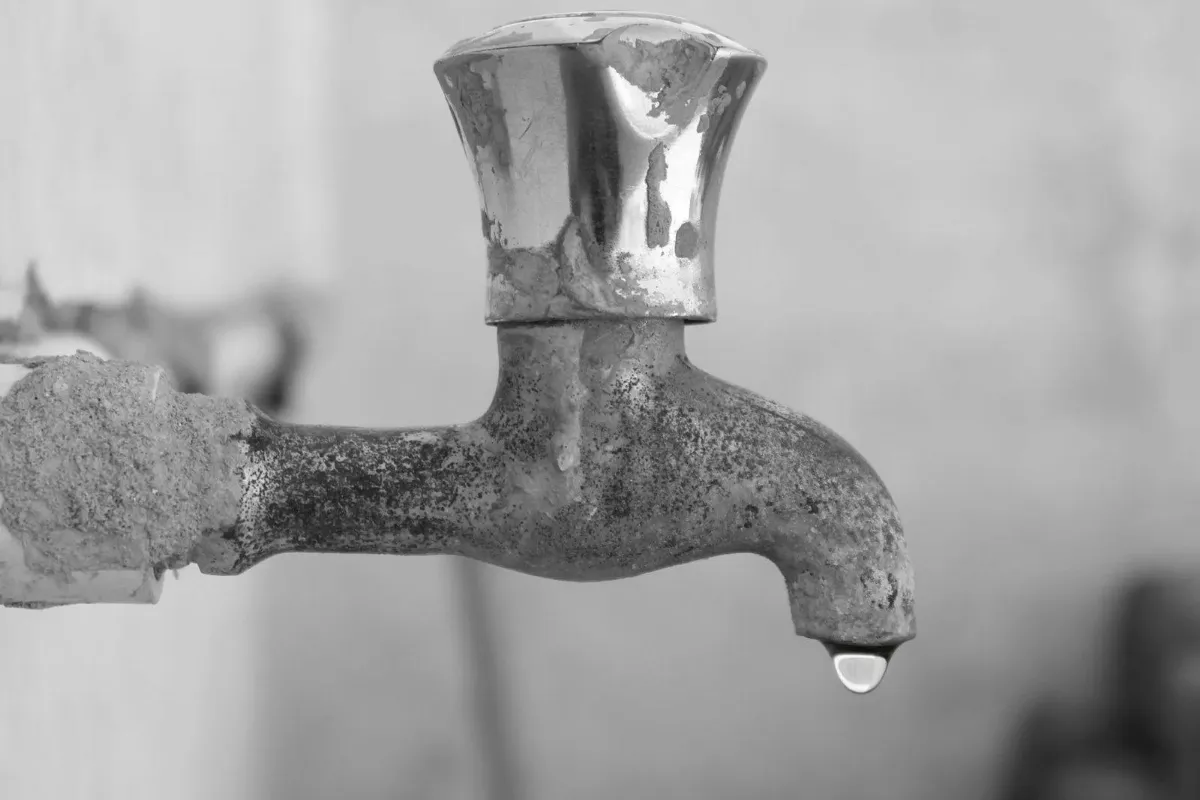
Hard water can influence several parts of a home's plumbing system.
The most significant problems usually involve mineral scaling, which occurs when dissolved minerals form solid deposits on surfaces.
Scaling can become particularly noticeable in equipment that heats water.
Understanding these effects helps homeowners identify where water treatment may provide practical benefits.
Mineral Buildup in Water Heaters and Plumbing Fixtures
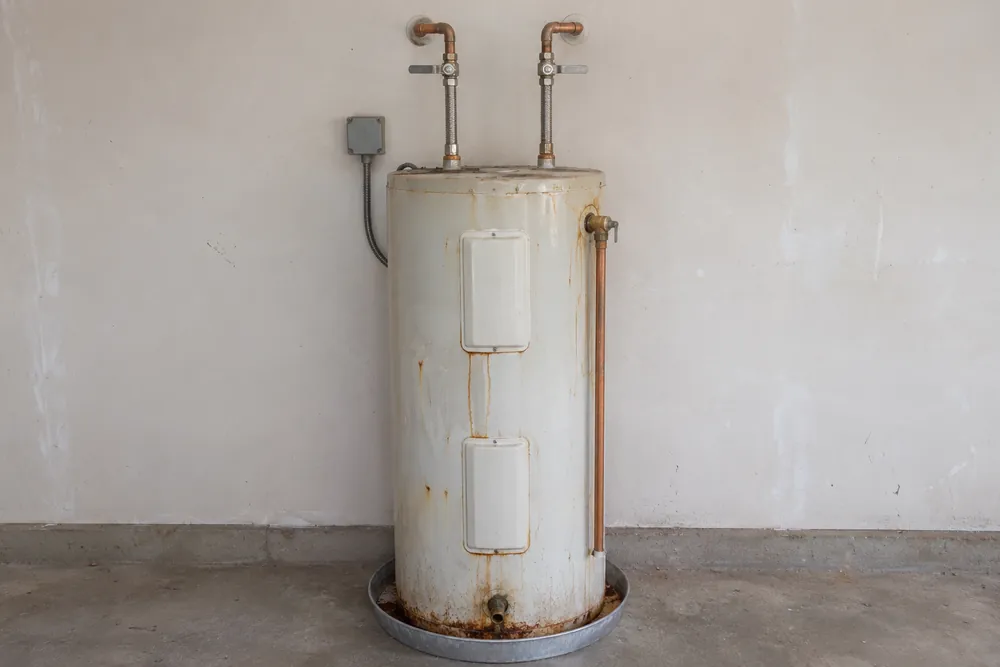
Water heaters are especially vulnerable to certain types of mineral buildup.
When hard water is heated, calcium carbonate can precipitate and accumulate on internal surfaces.
In traditional storage water heaters, deposits may collect near the bottom of the tank or around heating components.
This buildup can interfere with heat transfer and contribute to unusual operating noises.
Tankless water heaters can also develop scale inside their heat exchangers.
Excessive deposits may restrict water passages and increase maintenance requirements.
Other household fixtures can experience similar problems.
Showerheads may develop clogged spray openings, while faucet aerators can accumulate visible mineral residue.
In severe cases, scaling inside plumbing components may restrict water flow.
The rate of accumulation depends on several factors, including:
- Water hardness concentration
- Water temperature
- Household water consumption
- Equipment design
- Maintenance frequency
Hard water does not automatically cause every plumbing failure, but managing mineral deposits can help reduce certain maintenance problems.
Hard Water Effects on Cleaning and Everyday Activities
Hard water also affects household cleaning.
Calcium and magnesium react with some soap ingredients, reducing lather and contributing to soap scum.
As a result, homeowners may use more cleaning products to achieve the same results.
Glassware may develop visible spots after washing, while bathroom surfaces can require more frequent cleaning.
Laundry can also feel less soft when mineral residues and detergent interactions affect fabric.
These problems are often inconvenient rather than dangerous, but they can increase household maintenance efforts.
Water softening can help improve soap performance and reduce hardness-related deposits.
However, existing scale may require separate cleaning or plumbing maintenance even after a softener is installed.
Water Softener Systems and Treatment Options
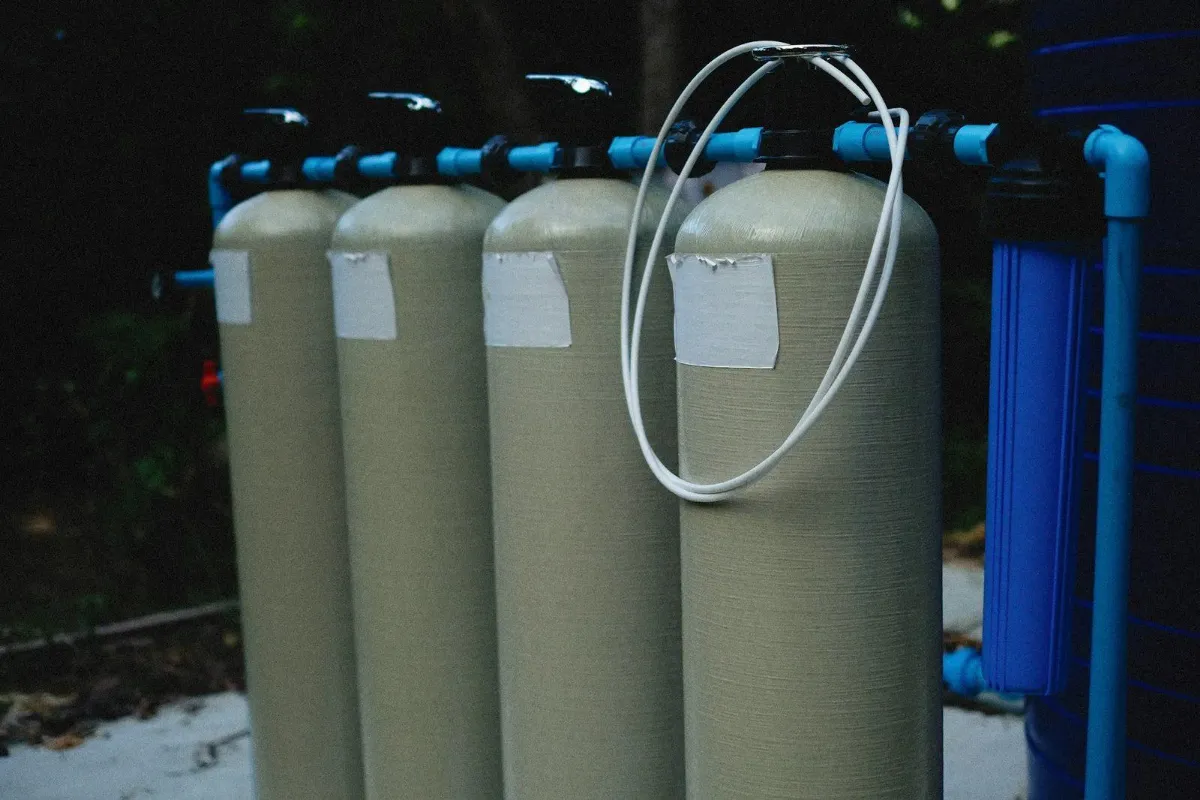
Water softeners are designed to reduce hardness minerals before water reaches household plumbing fixtures and appliances.
Several treatment technologies are available, but they do not all work in the same way.
Understanding the differences is important when comparing equipment.
Salt-Based Ion Exchange Water Softeners
Traditional salt-based water softeners use a process called ion exchange.
Water passes through a tank containing specialized resin beads.
These beads exchange calcium and magnesium ions in the water for sodium or potassium ions, depending on the system.
This process reduces the hardness minerals responsible for scale formation.
Over time, the resin becomes saturated with calcium and magnesium and must be regenerated.
During regeneration, the system uses a brine solution to restore the resin's treatment capacity.
The main components of a typical system include:
- Resin tank: Contains the material that removes hardness minerals.
- Brine tank: Stores salt or potassium chloride used during regeneration.
- Control valve: Regulates treatment and regeneration cycles.
- Drain connection: Carries regeneration wastewater away from the system.
- Bypass valve: Allows water to bypass the softener when necessary.
Modern systems may use demand-initiated regeneration, which adjusts regeneration timing based on estimated or measured water usage.
This can help reduce unnecessary salt and water consumption compared with less responsive operating schedules.
Salt-Free Conditioners and Other Water Treatment Systems
Salt-free water conditioners are frequently marketed as alternatives to conventional water softeners.
However, an important distinction exists between softening and conditioning.
Most salt-free conditioning systems do not remove calcium and magnesium from the water.
Instead, certain technologies aim to influence how mineral scale forms or adheres to surfaces.
Their effectiveness varies depending on the technology, water chemistry, and operating conditions.
Homeowners should review independent performance testing and understand exactly what the equipment is designed to accomplish.
Other treatment options include reverse osmosis and specialized filtration systems.
Reverse osmosis can remove many dissolved substances, including hardness minerals, but point-of-use systems are generally intended for drinking and cooking water rather than whole-house softening.
Sediment filters remove particles but do not ordinarily remove dissolved calcium and magnesium.
For homes with private wells, additional treatment may be necessary if testing identifies iron, manganese, bacteria, or other water quality concerns.
A comprehensive water test helps determine which treatment methods are appropriate.
Choosing and Installing the Right Water Softener
Selecting a water softener involves more than choosing the largest available unit.
An oversized system may create unnecessary costs, while an undersized system may regenerate too frequently or fail to meet household demand.
Proper sizing and installation are important for reliable performance.
Water Softener Sizing and Household Requirements
Water softeners are commonly rated according to their grain capacity.
This rating relates to how much hardness the system can remove between regeneration cycles under specified operating conditions.
To estimate treatment needs, homeowners should consider water hardness and daily water consumption.
For example, a household using 250 gallons of water per day with hardness of 12 grains per gallon has an estimated daily hardness load of:
250 gallons × 12 grains = 3,000 grains per day
This calculation provides a starting point, not a complete equipment specification.
A professional sizing assessment should also consider peak water flow, resin capacity, regeneration efficiency, iron concentrations, and household usage patterns.
Factors influencing system selection include:
- Number of household residents
- Measured water hardness
- Daily water consumption
- Number of bathrooms and fixtures
- Available installation space
- Water pressure and flow requirements
- Preferred regeneration and maintenance features
Water softener equipment should be selected according to actual household conditions rather than generalized assumptions about local water quality.
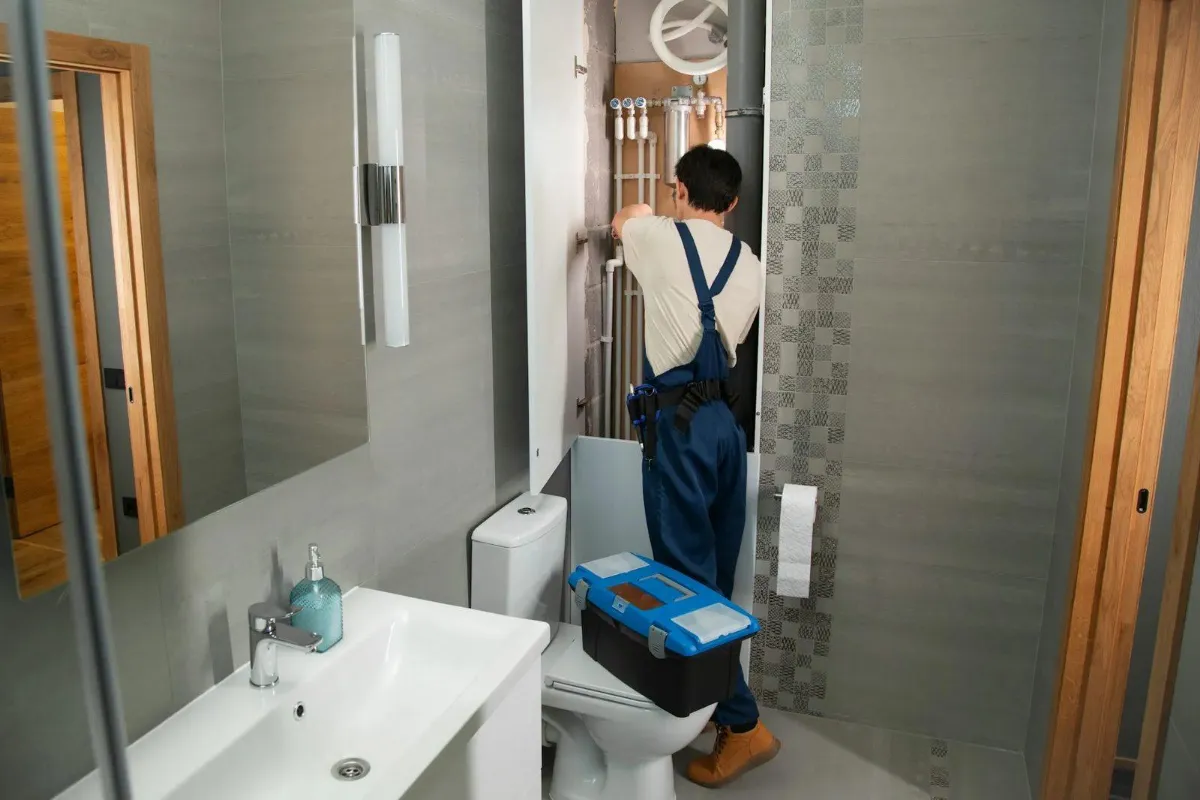
Professional Installation and Plumbing Considerations
Whole-house water softeners are commonly installed near the main water supply entry point.
This allows treated water to reach selected household plumbing fixtures and appliances.
The installation location should provide adequate space for the equipment, access for maintenance, and suitable connections for drainage and power when required.
Depending on the property, outdoor irrigation lines may be left untreated to avoid unnecessary softening of landscape water.
Some households also choose to maintain an untreated drinking water line, particularly when managing sodium intake is important.
The installation must account for the home's plumbing configuration and applicable local requirements.
Professional installation can help ensure that bypass valves, drainage connections, and regeneration settings are configured correctly.
Homeowners should also verify that the selected equipment has appropriate certifications or independently tested performance claims.
Water Softener Maintenance and Long-Term Home Protection
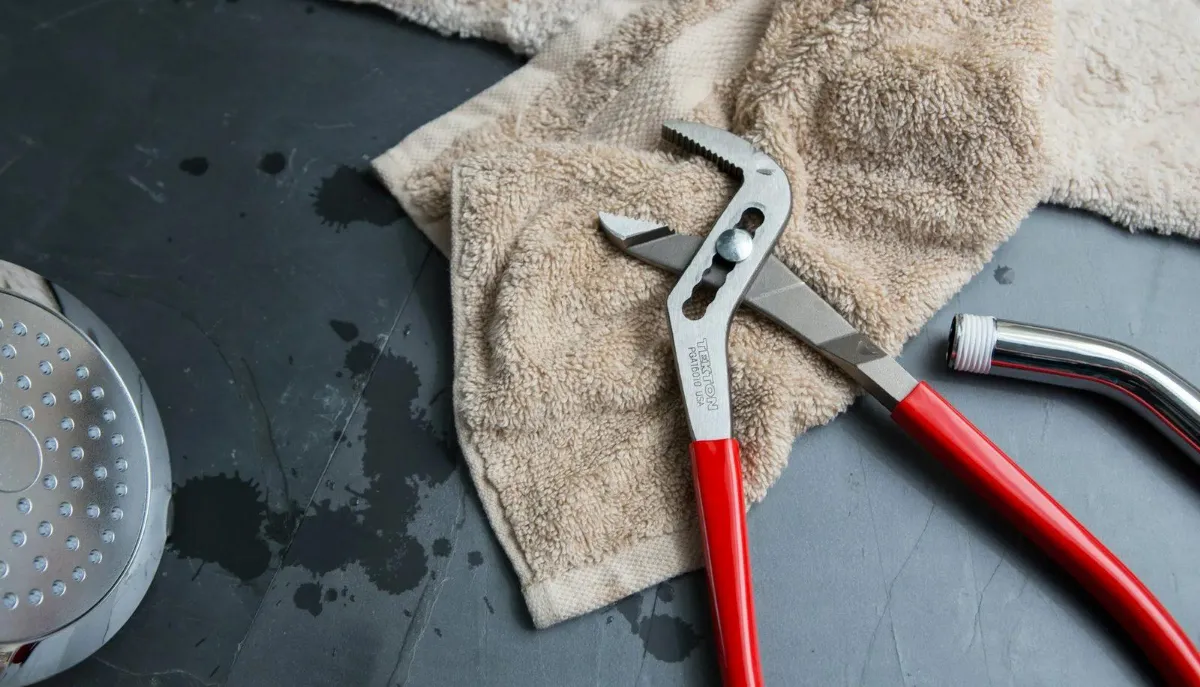
Installing a water softener is only the beginning of managing hardness-related problems.
Regular maintenance helps the system operate consistently and maintain its treatment capacity.
Maintenance requirements depend on the equipment design, water conditions, and manufacturer's recommendations.
Routine Water Softener Maintenance
Salt-based softeners require periodic checks of the brine tank and salt supply.
The frequency of salt replenishment depends on water usage, hardness levels, and regeneration settings.
Homeowners should also monitor for salt bridging, which occurs when a hardened layer forms above the water in the brine tank and interferes with normal regeneration.
Other maintenance considerations include inspecting connections for leaks, reviewing system settings, and testing treated water periodically.
A practical maintenance checklist includes:
- Check the brine tank and maintain the recommended salt level.
- Inspect the equipment and plumbing connections for visible leaks.
- Monitor water hardness after treatment.
- Review regeneration settings when household usage changes.
- Follow manufacturer instructions for cleaning and servicing components.
- Arrange professional inspection when treatment performance declines.
Some systems may require additional maintenance when the source water contains iron, sediment, or other substances that affect the resin.
Homeowners using private wells should also follow appropriate water testing recommendations to monitor overall water quality.
Frequently asked questions
Is Hard Water Common in the Texas Hill Country?
Yes, hard water is common in many parts of the Texas Hill Country. However, hardness levels vary depending on groundwater sources, geological conditions, and public water supplies. Testing your home's water is the most reliable way to determine its hardness level.
Can a Water Softener Help Extend Water Heater Lifespan?
A water softener can help reduce mineral buildup inside water heaters by removing calcium and magnesium. This may improve equipment performance and reduce hardness-related maintenance problems over time.
What Is the Difference Between Salt-Based and Salt-Free Water Softeners?
Salt-based water softeners use ion exchange to remove calcium and magnesium from water. Most salt-free conditioners do not remove these minerals but may help reduce scale formation under certain conditions.
How Much Salt Does a Water Softener Use?
Salt consumption depends on water hardness, household water usage, system size, and regeneration settings. Demand-initiated water softeners may use salt more efficiently by adjusting regeneration cycles based on water consumption.
Can You Install a Water Softener With Well Water?
Yes, water softeners can be installed in homes that use private wells. However, water testing is recommended because iron, manganese, sediment, and other contaminants may affect equipment selection and performance.
Is Softened Water Safe to Drink?
Softened water is generally safe to drink. However, sodium-based water softeners add some sodium during the ion exchange process. Homeowners following sodium-restricted diets should consult a healthcare professional about suitable drinking water options.
Improve Your Hill Country Home's Water Quality With Bergheim Plumbing
Hard water can create ongoing challenges for plumbing fixtures, water heaters, and household appliances. Choosing an appropriate water treatment system begins with understanding the mineral content of your water and the needs of your home.
Bergheim Plumbing helps homeowners throughout Spring Branch, Bergheim, Boerne, Bulverde, and surrounding Texas Hill Country communities with residential plumbing and water softener solutions.
Whether you're dealing with mineral buildup, evaluating a new water softener, or considering improvements to your home's plumbing system, professional guidance can help identify practical options.
Visit Bergheim Plumbing to discuss your water softener needs and schedule a plumbing consultation.

About the author
David Engel, owner, Bergheim Plumbing
David Engel started Bergheim Plumbing in Spring Branch in 1998 and holds Texas master plumber license M-36766. His son Colton works the trucks with him.