Quick facts
- Most chemical drain cleaners fall into three general categories: caustic, acidic, and oxidizing.
- For septic homes, grease, wipes, chemical drain additives, and enzyme products should stay out of septic drains.
- Combining drain cleaners with bleach, ammonia, or other chemicals can also produce dangerous reactions or toxic gases.
- If you have already used a chemical product, tell the plumber exactly what was poured down the drain before work begins.
- Enzyme products are not designed to remove every obstruction, such as heavy grease deposits, solid objects, or roots in a sewer line.
Is drain cleaner bad for pipes? In many cases, yes, particularly when chemical products are used repeatedly or poured into drains that already have a serious blockage. Although some chemical drain cleaners can dissolve certain types of buildup, they may also damage plumbing materials, create safety hazards, and make an existing clog more difficult to remove.
For homeowners, the bigger concern is that a drain cleaner may not address what is actually blocking the pipe. Grease, tree roots, accumulated debris, and deeper sewer line obstructions often require a different approach. Understanding how these products work, where they can cause problems, and what alternatives are available can help you protect your plumbing and avoid turning a slow drain into a larger repair.
How Chemical Drain Cleaners Work Inside Plumbing Pipes
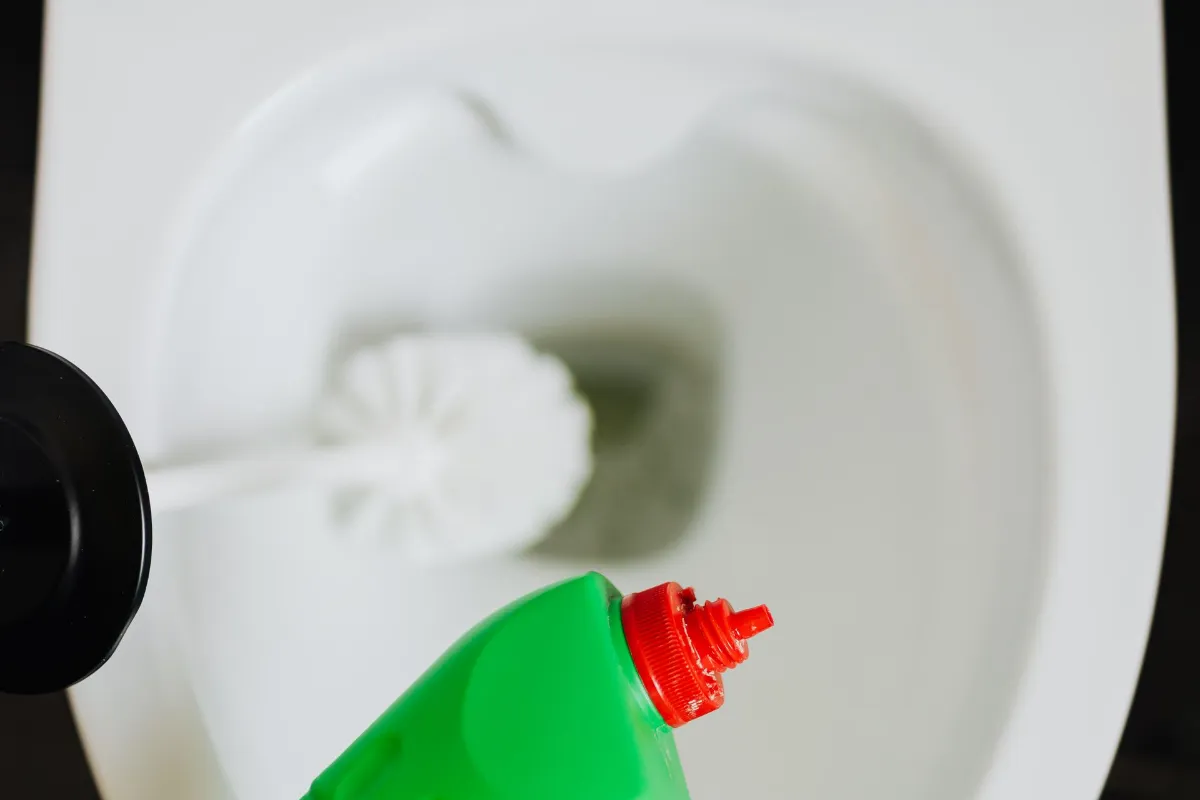
Chemical drain cleaners are designed to break down or loosen materials that restrict water flow. However, different products use different chemical reactions, and their effectiveness depends on the type of clog, the condition of the plumbing, and how much water can move through the drain.
The Three Main Types of Chemical Drain Cleaners
Most chemical drain cleaners fall into three general categories: caustic, acidic, and oxidizing. Each type works differently, so understanding the distinction helps explain why a product that works on one clog may be ineffective against another.
- Caustic cleaners: These commonly contain alkaline ingredients that generate heat and help break down organic materials, including some hair and soap buildup
- Acidic cleaners: These use strong acids to dissolve certain materials, but their corrosive properties can create additional risks for plumbing components
- Oxidizing cleaners: These use chemical reactions to break down organic matter and may help loosen certain types of residue
A product's effectiveness also depends on whether it can reach the clog. When a drain is completely blocked, the cleaner may collect in standing water instead of reaching the material causing the obstruction. This can leave concentrated chemicals sitting inside the plumbing without resolving the underlying problem.
Why Chemical Cleaners Do Not Work on Every Clog
Chemical products are generally intended for certain organic obstructions, not every type of plumbing blockage. A kitchen sink clogged with grease, for example, may have a thick accumulation coating the pipe walls rather than a small obstruction that can be dissolved easily.
Tree roots present a different problem because they physically enter sewer lines and interfere with wastewater flow. Chemical drain cleaners are not a reliable solution for removing these obstructions, and pouring additional chemicals into the drain may simply leave hazardous liquid behind.
The Plumbing Risks of Repeated Chemical Drain Cleaner Use
Whether drain cleaner is bad for pipes also depends on the age and condition of a home's plumbing. Although one application does not automatically mean a pipe will be damaged, repeated chemical exposure may increase the risk of problems.
Older Pipes and PVC Connections May Be More Vulnerable
Older homes throughout the Texas Hill Country may have plumbing systems with aging materials, worn connections, or existing corrosion. Strong chemical products can create additional stress on plumbing components, particularly when the product is used more frequently than recommended.
PVC pipes are commonly used in residential plumbing, but that does not mean every chemical cleaner is suitable for every PVC installation. Product ingredients, concentration, contact time, and the condition of the joints can all affect the potential for damage.
Septic Systems Require Additional Caution
Homeowners with septic systems should be especially careful about what enters their drains. Chemical drain additives can interfere with the biological processes that help a septic system break down household wastewater.
For septic homes, grease, wipes, chemical drain additives, and enzyme products should stay out of septic drains. Grease can accumulate and contribute to blockages, while wipes may collect inside pipes and interfere with normal wastewater movement. The septic tank itself is a septic contractor's responsibility, so a suspected tank problem should not be treated with more drain chemicals.
Chemical Drain Cleaner Safety Concerns for Homeowners
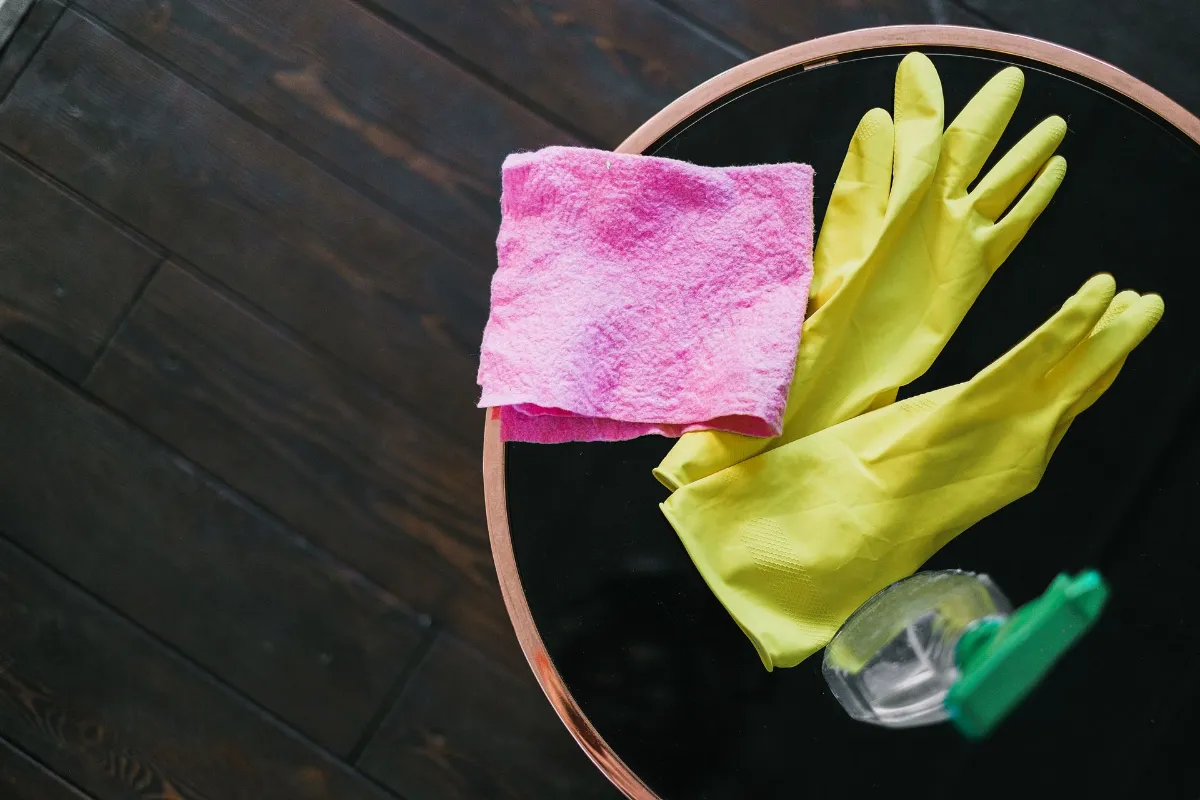
Chemical drain cleaners can create risks beyond the plumbing system itself. Their ingredients may cause injuries through direct contact, accidental splashing, inhalation, or improper mixing with other household products.
Chemical Exposure Can Cause Serious Injuries
Many chemical drain cleaners contain substances that can burn skin and damage eyes. Even a small splash during pouring can cause an injury, particularly when someone is leaning over a sink or working in a confined bathroom. Combining drain cleaners with bleach, ammonia, or other chemicals can also produce dangerous reactions or toxic gases.
Fumes can also irritate the lungs, especially in a small bathroom or utility room with poor ventilation. If a product has already been poured into a blocked drain, avoid adding another cleaner, keep children and pets away, and follow the safety instructions on the label.
Standing Chemical Water Makes Plumbing Repairs Riskier
When a chemical cleaner does not clear the blockage, the solution may remain trapped in the sink, tub, or drainpipe. Plunging can then splash it out, and opening a pipe connection or running a cable may expose someone to concentrated chemicals.
If you have already used a chemical product, tell the plumber exactly what was poured down the drain before work begins. Include the product name if available and whether it was used once or multiple times.
Safer Ways to Address a Slow or Clogged Drain
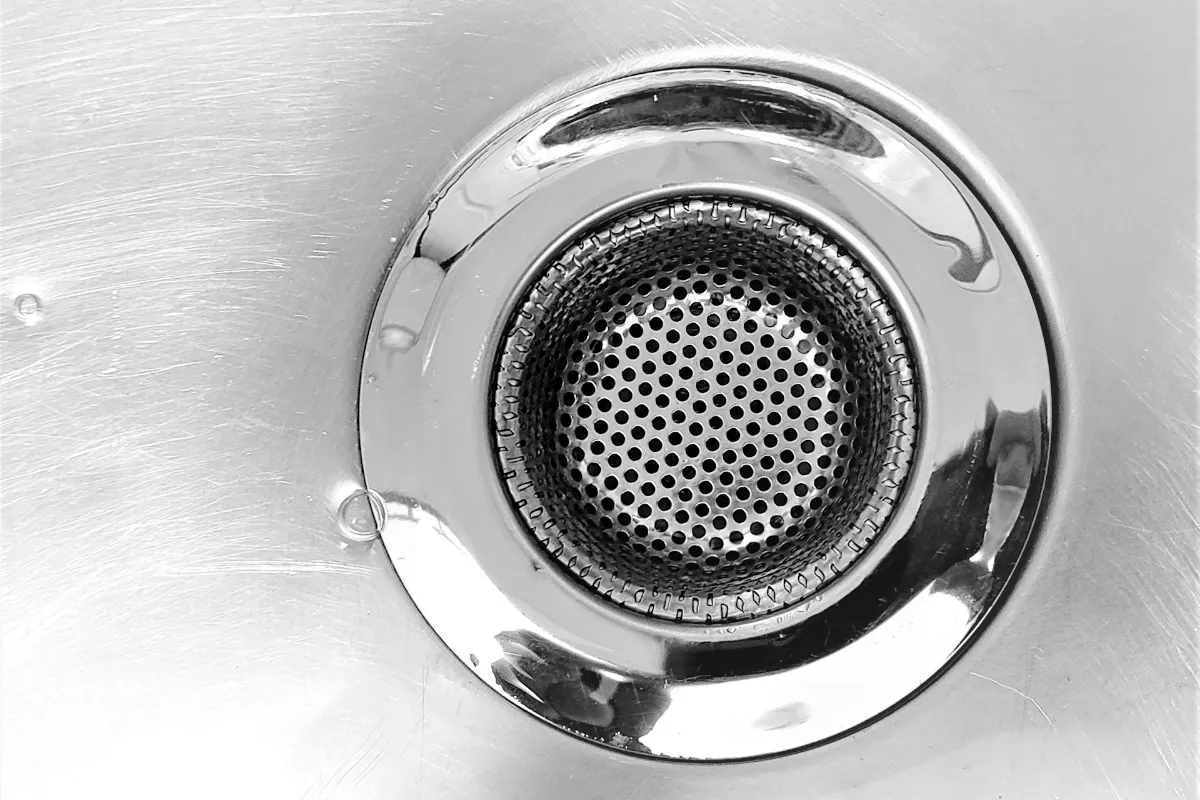
Chemical drain cleaners are not the only option for restoring normal drainage. For many common household problems, simple preventive steps or mechanical methods may be more appropriate.
Use Mechanical Methods and Preventive Drain Protection
A plunger can help remove certain localized obstructions by creating pressure that moves the blockage. It may be useful for some sink, tub, and toilet clogs, provided there are no hazardous chemicals standing in the fixture.
A drain strainer is another practical way to prevent common blockages. Kitchen strainers catch food particles, while bathroom strainers help collect hair before it enters the plumbing. A few everyday habits also help:
- Remove hair and visible debris from drain covers regularly
- Collect cooking grease in a container instead of pouring it into the sink
- Wipe greasy cookware with a paper towel before washing
- Keep food scraps out of kitchen drains
- Dispose of wipes in the trash, even when labeled flushable
Boiling water is sometimes recommended as a quick solution for greasy kitchen drains, but it is not a dependable way to remove grease buildup. Hot water may temporarily soften grease and move it farther into the plumbing, where it can cool and accumulate again. New Braunfels Utilities advises against pouring grease down the sink, even when using hot water.
Understand the Limits of Enzyme Drain Products
Enzyme-based drain products are sometimes marketed as gentler alternatives to conventional chemical cleaners. They generally use biological or enzyme-based processes to break down certain organic materials over time rather than relying on the same aggressive chemical reactions.
Enzyme products are not designed to remove every obstruction, such as heavy grease deposits, solid objects, or roots in a sewer line. In homes on a septic system, they should stay out of the drains entirely.
Professional Drain Cleaning Addresses the Actual Blockage
When household methods do not restore normal drainage, professional cleaning can help identify what is restricting the line. The appropriate method depends on whether the problem affects one fixture or involves a larger section of the sewer system.
Drain Snaking and Hydro Jetting Serve Different Purposes
A plumbing cable, commonly called a drain snake, is often used to clear a localized obstruction. It works by reaching the blockage and creating an opening through the material that is restricting water flow.
Hydro jetting works differently by using high-pressure water to scour the inside of a pipe. This can remove grease and roots from the pipe walls rather than simply punching an opening through the obstruction.
Bergheim Plumbing uses a cable for one slow drain and its own hydro jetter for grease and roots in the main line. The line is evaluated first to determine what needs to be cleared and whether the pipe can handle the selected cleaning method. There is no charge to come out, and the homeowner hears one price before any work starts.
Recognize When a Drain Problem Needs Professional Attention
A single slow sink may be a localized issue, but several warning signs can indicate a deeper obstruction. Homeowners should pay attention to changes affecting multiple fixtures, particularly when wastewater begins moving in the wrong direction. The following symptoms may indicate that professional drain cleaning is needed:
- Sewage coming up a drain: Stop using water, do not flush toilets, and request service immediately
- Every drain backing up: A blockage in the main sewer line may be preventing wastewater from leaving the home
- Gurgling toilets: Air being pushed back through the plumbing can indicate a developing obstruction
- Repeated clogs: A previous cable cleaning may have opened the blockage without removing all the grease or roots
- Sewer odors indoors: A blocked line may push sewer gas back through a drain
- Slow drains throughout the home: The obstruction may be farther down the plumbing system
Homeowners can learn more about available drain cleaning services and hydro jetting to understand the different approaches to clearing plumbing obstructions. For urgent situations involving sewage or significant plumbing problems, the plumbing emergency guide provides additional guidance.
Get Safe Drain Cleaning From Bergheim Plumbing
Addressing recurring drainage problems early can help prevent a minor obstruction from developing into a more disruptive plumbing or sewer line issue.
Bergheim Plumbing provides drain cleaning, hydro jetting, and main sewer line service for homeowners throughout Spring Branch, Bergheim, Boerne, Bulverde, New Braunfels, and surrounding Texas Hill Country communities.
Whether you need help with a recurring kitchen drain clog, a main sewer line blockage, or sewage backing up into your home, professional service can help identify the appropriate solution.
Visit Bergheim Plumbing to schedule drain cleaning or request assistance with a slow or blocked drain.
Frequently asked questions
Can One Use of Chemical Drain Cleaner Damage Pipes?
One application does not automatically mean plumbing damage will occur. However, concentrated chemicals, excessive contact time, repeated applications, and existing pipe deterioration may increase the risk of damage.
Why Does a Drain Still Clog After Using Drain Cleaner?
The product may have dissolved only part of the obstruction or failed to reach the actual blockage. Grease deposits, roots, and deeper sewer line obstructions often require mechanical cleaning rather than another chemical application.
Should Homeowners Pour Drain Cleaner Into a Completely Blocked Sink?
A completely blocked sink may prevent the cleaner from reaching or passing through the obstruction. The chemical solution can remain trapped in standing water, making subsequent plunging or professional cleaning more hazardous.
What Should Homeowners Do If Drain Cleaner Does Not Work?
Avoid adding more chemicals or mixing different cleaning products. Tell the plumber what product was used before attempting further cleaning so the appropriate precautions can be taken.

About the author
David Engel, owner, Bergheim Plumbing
David Engel started Bergheim Plumbing in Spring Branch in 1998 and holds Texas master plumber license M-36766. His son Colton works the trucks with him.