Quick facts
- A slow leak that develops over an extended period may receive different treatment from a sudden pipe failure.
- Some policies may offer access or tear-out coverage for the work required to reach a covered plumbing problem.
- Homeowners should review the declarations page and the sections addressing water damage, plumbing systems, and access to damaged components.
- Pictures of damp flooring, discoloration, cracks, mildew, or unusual warm areas may help establish the condition of the property when the leak was discovered.
- Homeowners should ask their insurer what documentation it requires and whether an inspection or claim review should occur before repair work begins.
Does homeowners insurance cover slab leaks? The answer depends on the specific policy, how the leak developed, and what damage it caused. Some homeowners insurance policies may cover certain types of sudden, accidental water damage, while damage associated with gradual leaks, deterioration, or normal wear and tear may be treated differently. The cost of accessing the damaged pipe and repairing the plumbing itself may also be handled separately from the cost of repairing the resulting property damage.
For homeowners in the Texas Hill Country, understanding the difference can make a difficult plumbing problem easier to manage. Slab leaks can remain hidden beneath a concrete foundation, allowing water to affect flooring, walls, and other parts of the home before obvious signs appear. Knowing what to look for, how to document the problem, and what questions to ask an insurance provider can help homeowners make informed decisions when a leak is discovered.
Homeowners Insurance Coverage Depends on How the Slab Leak Occurred
Homeowners insurance does not automatically cover every slab leak or the expenses associated with repairing one. Coverage generally depends on the policy language, the circumstances surrounding the leak, and whether the damage meets the policy's requirements. Homeowners should review their individual coverage rather than assume that all water-related problems receive the same treatment.
Sudden Water Damage May Be Treated Differently
Some homeowners insurance policies may provide coverage when a plumbing failure causes sudden and accidental water damage. For example, a water line beneath a concrete foundation may break unexpectedly, allowing water to escape and damage flooring or nearby building materials. Depending on the policy and circumstances, the resulting damage may qualify for coverage.
However, the distinction between the plumbing failure and the resulting property damage is important. A policy may treat the cost of repairing the damaged pipe differently from the cost of addressing water damage inside the home. Even when some damage is covered, homeowners may still be responsible for deductibles, excluded expenses, or portions of the repair that fall outside their coverage.
Gradual Leaks and Deterioration May Have Different Coverage Rules
A slow leak that develops over an extended period may receive different treatment from a sudden pipe failure. Some policies may exclude damage associated with gradual leakage, corrosion, deterioration, or a lack of maintenance. Whether an exclusion applies depends on the actual policy wording and the circumstances of the loss.
This distinction can become important with slab leaks because underground plumbing problems may remain unnoticed for weeks or months. A homeowner might discover a warm floor or unusually high water bill without knowing when the leak began. The discovery date does not necessarily establish when the damage started, so homeowners should avoid making assumptions about coverage and ask their insurer or agent to explain the applicable terms.
Slab Leak Repair Costs May Include Several Separate Expenses
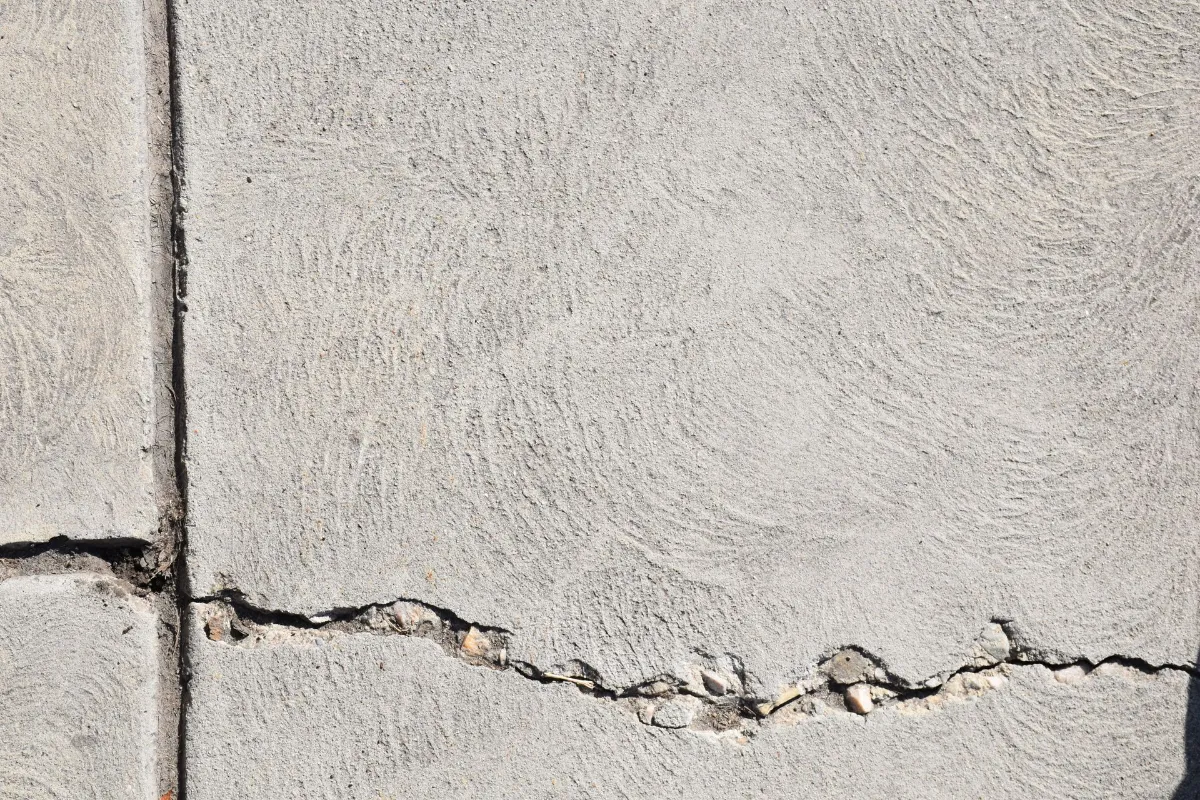
Understanding the different expenses involved in a slab leak can help homeowners have more productive conversations with their insurance providers. The plumbing repair itself is only one part of the situation. Finding the damaged line, accessing it, repairing the pipe, and restoring affected areas may involve separate work.
Pipe Repairs and Resulting Property Damage Are Not Always the Same
When asking whether homeowners insurance covers a slab leak, it helps to distinguish between the cost of fixing the plumbing and the cost of repairing damage caused by escaping water. A policy may treat these expenses differently, even when they arise from the same incident. For example, replacing a damaged section of pipe may not receive the same coverage consideration as repairing water-damaged flooring.
Other expenses may include removing part of a floor or concrete slab to reach the damaged plumbing. Some policies may offer access or tear-out coverage for the work required to reach a covered plumbing problem. However, this protection is not universal, and its limits and conditions can vary considerably.
Policy Deductibles and Coverage Limits Affect Out-of-Pocket Costs
Even when an insurer determines that a particular loss may qualify for coverage, the homeowner's actual reimbursement can depend on additional policy provisions. A deductible may apply before the insurer contributes toward eligible expenses. Coverage limits, exclusions, and other conditions may also affect the final amount.
Homeowners should review the declarations page and the sections addressing water damage, plumbing systems, and access to damaged components. It may also help to ask whether the policy distinguishes between the cost of repairing the source of a leak and restoring the affected property. An insurance agent can explain the policy language and identify questions that may require further review by the insurer.
Early Slab Leak Signs Can Help Limit Further Damage

Slab leaks are difficult to identify because the affected water line is located beneath or within the home's concrete foundation. However, several changes around the property may indicate that water is escaping from an underground plumbing line. Recognizing these signs early can help homeowners arrange an inspection before the problem causes more extensive damage.
Changes in Flooring and Water Usage Can Indicate a Leak
A slab leak may produce noticeable changes in areas of the home even when there is no visible plumbing damage. Homeowners should pay attention to unusual warmth, moisture, stains, and changes in water pressure. Common warning signs include:
- A warm spot underfoot that may indicate a hot water line leak
- Water running sounds when all faucets and fixtures are turned off
- A water meter that continues moving when no water is being used
- Damp flooring, stains, or mildew around areas of the slab
- Unexpected drops in water pressure throughout the home
- A higher water bill without a corresponding increase in household water use
A Simple Water Meter Test Can Help Identify Unexplained Water Loss
Homeowners can perform a basic meter test to check whether water may be leaving the plumbing system when fixtures are not being used. First, turn off every faucet and water-using appliance, then observe the water meter for approximately 10 minutes. If the fine flow indicator continues moving, water may be flowing somewhere in the system despite all taps being off.
A second check can help narrow down whether the problem involves the hot or cold water supply. Close the cold water valve located on top of the water heater, then observe the meter again. If the meter stops moving, the leak may be on the hot side; if it continues, further investigation may be needed to identify the affected line.
Proper Documentation Can Help Support an Insurance Claim

When homeowners suspect a slab leak, documenting the condition of the property and the plumbing problem can be useful. Insurance providers may request information about the damage, the circumstances surrounding its discovery, and the work performed. Keeping clear records can help homeowners explain what happened and respond to questions during the claims process.
Photographs and Meter Readings Establish a Record
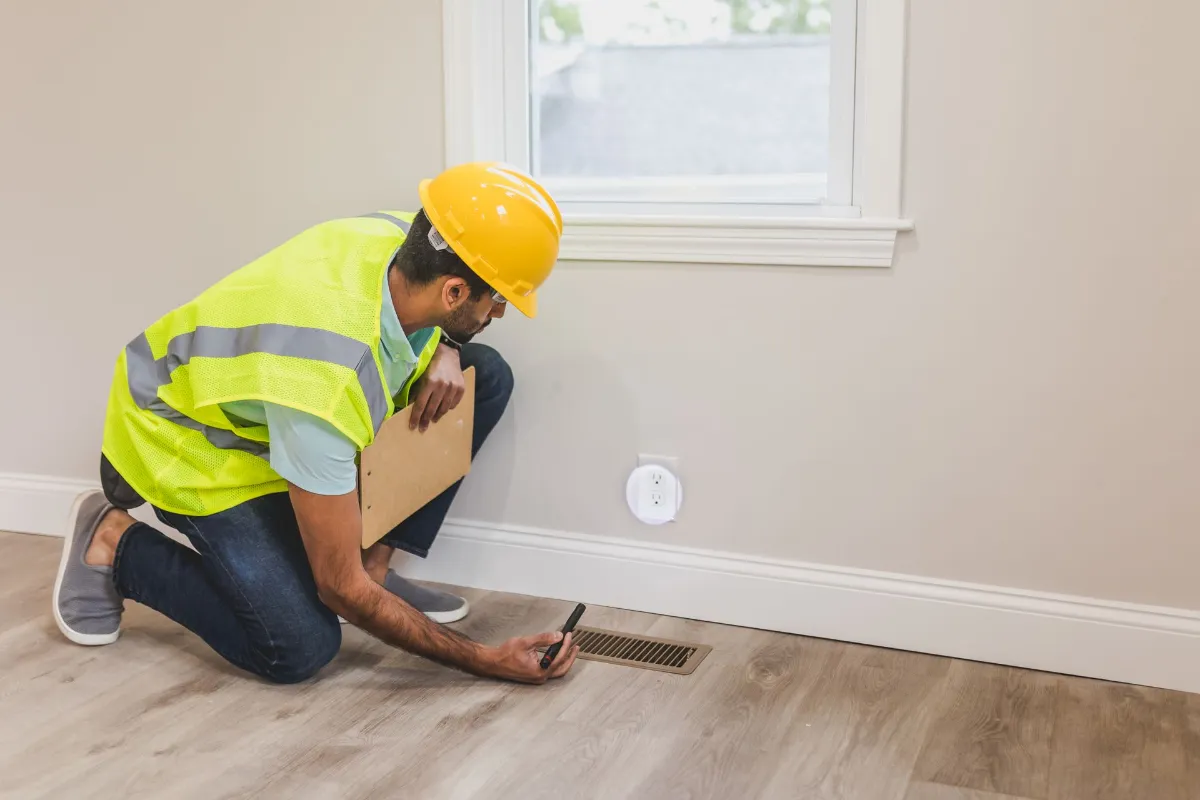
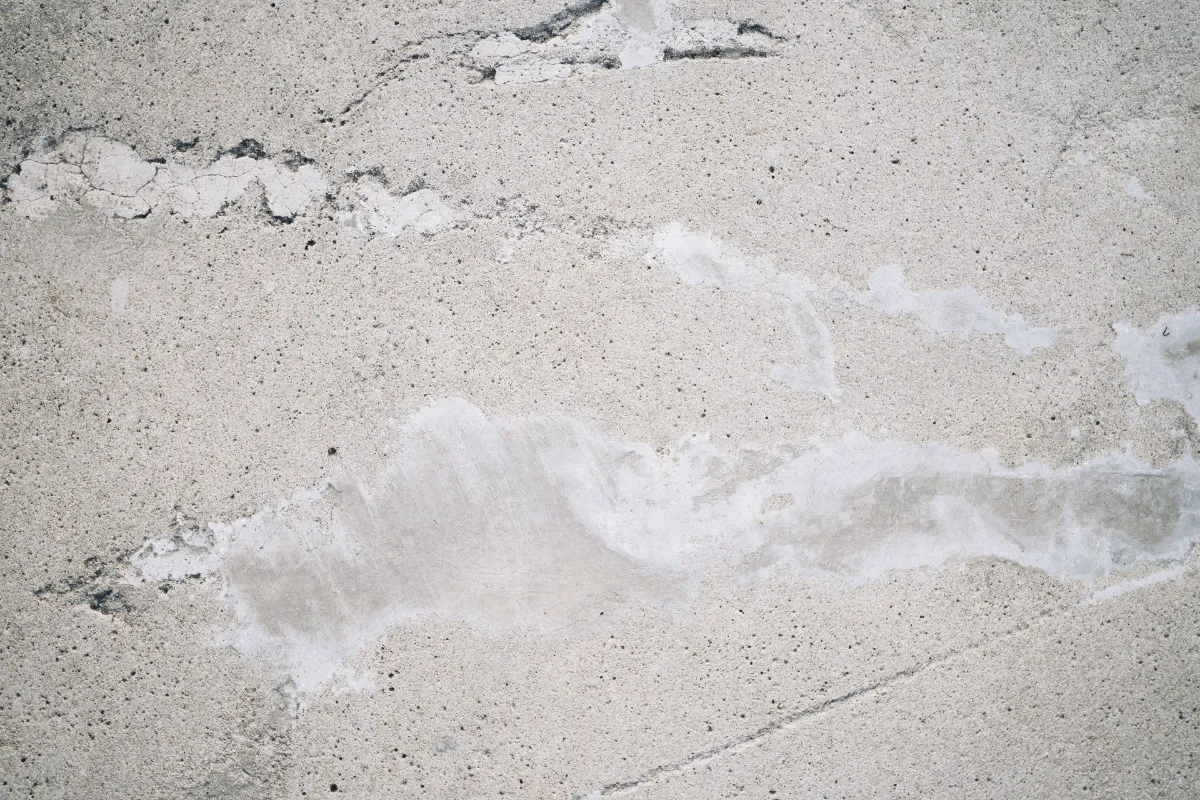
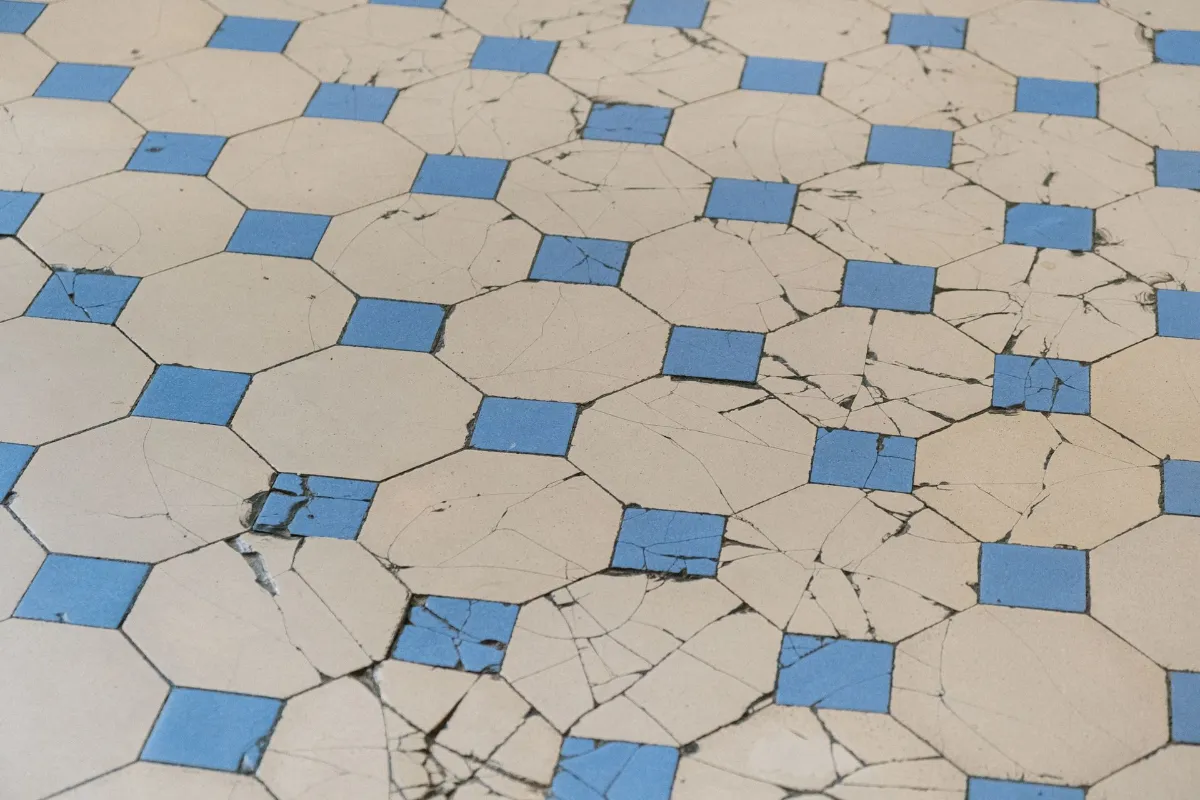
Before any affected area is disturbed, homeowners should photograph visible signs of the problem. Pictures of damp flooring, discoloration, cracks, mildew, or unusual warm areas may help establish the condition of the property when the leak was discovered. If water is actively spreading, however, preventing further damage should take priority over taking photographs. Useful documentation may include:
- Photographs of affected floors, walls, stains, and visible moisture
- The date and time the problem was first noticed
- Water meter observations and results from the 10-minute test
- Copies of unusually high water bills
- The plumber's inspection findings and repair invoice
Professional Findings and Repair Records Provide Additional Detail
A plumbing inspection can help establish which line is leaking and what work may be necessary. The inspection findings, repair description, and invoice can provide information about the plumbing failure and the steps taken to address it. Homeowners should keep these records rather than relying only on verbal explanations.
Bergheim Plumbing documents the problem and the completed repair in writing. This information can also be useful when requesting a water bill adjustment, although a municipal water adjustment and an insurance claim are separate processes. Homeowners should ask their insurer what documentation it requires and whether an inspection or claim review should occur before repair work begins.
Slab Leak Detection and Repair Should Begin With a Clear Plan
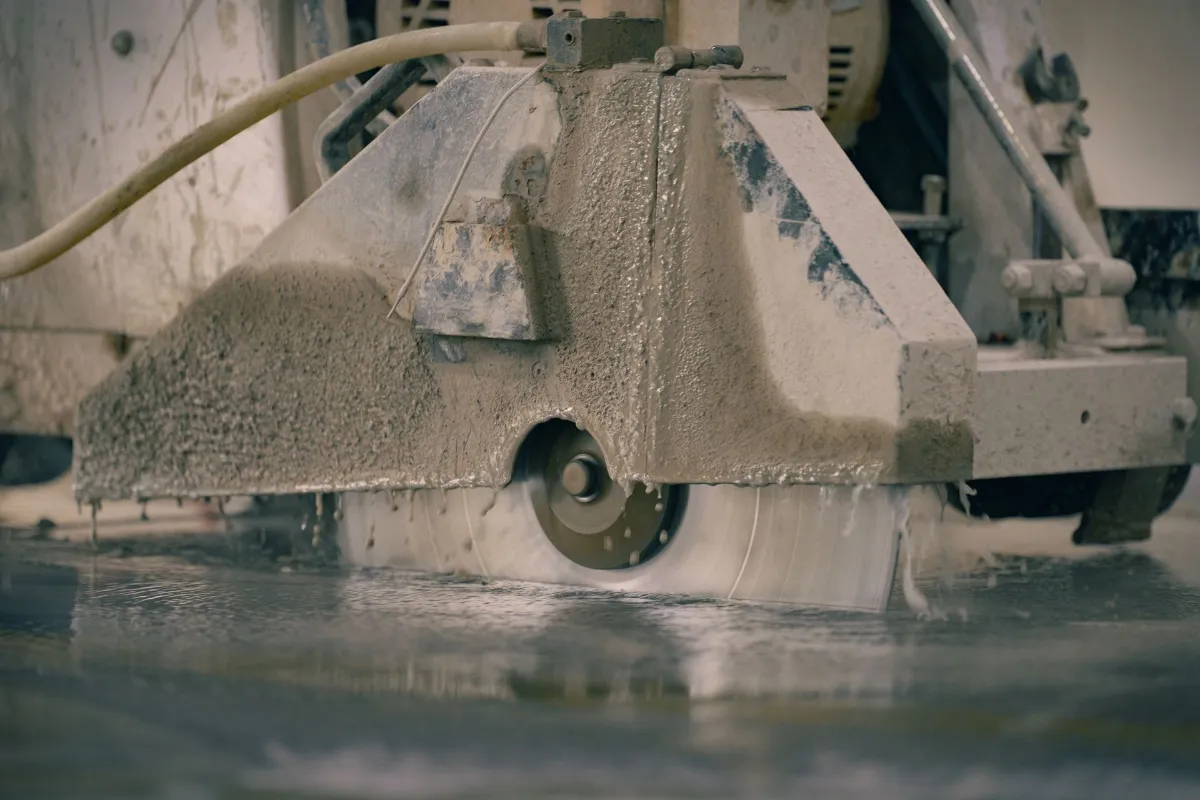
Once a slab leak is suspected, identifying the affected plumbing line is an important step toward choosing an appropriate repair. The solution may depend on where the leak occurs, the condition of the existing pipes, and whether the problem is isolated or part of a recurring pattern. Acting promptly can also help limit additional water loss and potential property damage.
Isolating the Damaged Line Helps Narrow the Repair
Finding a slab leak involves determining which part of the plumbing system is losing water. Rather than immediately cutting into concrete, Bergheim Plumbing tests individual lines separately, including the hot line, cold line, and each branch. This process helps narrow the leak down to one stretch of pipe before any concrete is cut.
Identifying the affected section first can help prevent unnecessary disruption to the home. It also provides a clearer starting point for discussing the available repair options. Homeowners can learn more about the process through Bergheim Plumbing's slab leak repair services, and there is no charge to come out and find the leak.
Repair Options Depend on the Location and Condition of the Pipe
Not every slab leak requires the same repair. After narrowing down the affected line, the appropriate solution may involve repairing the damaged section, routing a replacement line through another part of the home, or replacing more of the existing plumbing when repeated failures indicate a larger problem. Bergheim Plumbing explains three repair options, with the price provided before concrete is cut:
- Spot repair: Addresses an isolated damaged section of pipe when a localized repair is appropriate
- Rerouting: Moves the affected water line through walls or the attic instead of continuing to use the damaged section beneath the slab
- Whole-house repiping: Replaces the home's existing water lines when an older plumbing system has experienced repeated leaks
After installing new pipe, the line is tested at working pressure before the floor is restored. Homeowners receive a written record of the repair and its cost, providing documentation of the work completed. If repeated plumbing failures make a larger replacement necessary, whole-home repiping services may be worth discussing.
Get Slab Leak Detection and Repair From Bergheim Plumbing
Identifying a slab leak early, documenting the damage, and contacting the insurer promptly can help homeowners address the plumbing problem while preserving useful information for a potential claim.
Bergheim Plumbing provides slab leak detection and repair, leak repairs, and whole-home repipes for homeowners throughout Spring Branch, Bergheim, Boerne, Bulverde, New Braunfels, and surrounding Texas Hill Country communities.
Whether you need help with an unexplained increase in water usage, a suspected hot water line leak, or recurring plumbing problems beneath your foundation, professional service can help identify the appropriate solution.
Visit Bergheim Plumbing to schedule slab leak detection and repair or request assistance with an unexplained water leak.
Frequently asked questions
Can Homeowners Insurance Pay for Slab Leak Detection?
Some policies may address certain expenses associated with finding a covered plumbing leak, but detection costs are not automatically covered. Homeowners should ask their insurer whether leak investigation, professional inspection, and related access expenses are included in their specific policy.
Should a Homeowner File a Claim Before Repairing a Slab Leak?
Homeowners should contact their insurer promptly and ask whether an inspection or documentation is required before permanent repairs begin. However, preventing additional damage should remain a priority, and homeowners should follow their policy's requirements for reporting and documenting the problem.
Can a Water Bill Increase Help Establish a Slab Leak?
An unexplained increase in water usage may be a useful indication that a plumbing leak exists, particularly when household water habits have not changed. Water bills and meter readings can support the homeowner's records, but they do not independently establish the leak's location or insurance coverage.
Does San Antonio Water System Help With Slab Leak Expenses?
San Antonio Water System allows customers to submit certain plumbing repairs for reimbursement consideration related to water bills. This is separate from homeowners insurance, and reimbursement is not automatic, so customers should review the utility's requirements before submitting a request.

About the author
David Engel, owner, Bergheim Plumbing
David Engel started Bergheim Plumbing in Spring Branch in 1998 and holds Texas master plumber license M-36766. His son Colton works the trucks with him.