Quick facts
- A frozen pipe does not always burst immediately.
- If a pipe is cracked, leaking, inaccessible, or located near electrical hazards, professional assistance is the safer option.
- Never use a hair dryer in standing water, near wet electrical equipment, or where electrical shock is possible.
- Preventing pipe freezing is generally easier than managing a plumbing emergency after damage occurs.
Frozen pipes can become a serious plumbing problem during winter, especially when temperatures drop unexpectedly. Although the Texas Hill Country experiences relatively mild weather for much of the year, sudden cold fronts can expose residential plumbing systems to freezing conditions.
When water freezes inside a pipe, ice can block normal water flow and create pressure that may damage the plumbing system. In some cases, the pipe develops cracks that remain unnoticed until the ice melts and water begins escaping.
Knowing how to thaw frozen pipes safely helps homeowners handle winter plumbing problems, limit water damage, and tell when it is time to call a plumber.
Homes throughout Spring Branch, Bergheim, Boerne, Bulverde, New Braunfels, and surrounding Texas Hill Country communities may have plumbing in garages, attics, crawl spaces, exterior walls, or other areas exposed to cold temperatures.
While some accessible frozen pipes can be thawed using gentle heat, others require professional attention. Using excessive heat, ignoring warning signs, or attempting to thaw inaccessible plumbing can create additional hazards.
This guide explains how to identify frozen pipes, which thawing methods are appropriate, when to contact a plumber, and how to protect your plumbing system during future freezes.
Understanding Frozen Pipes and Common Warning Signs
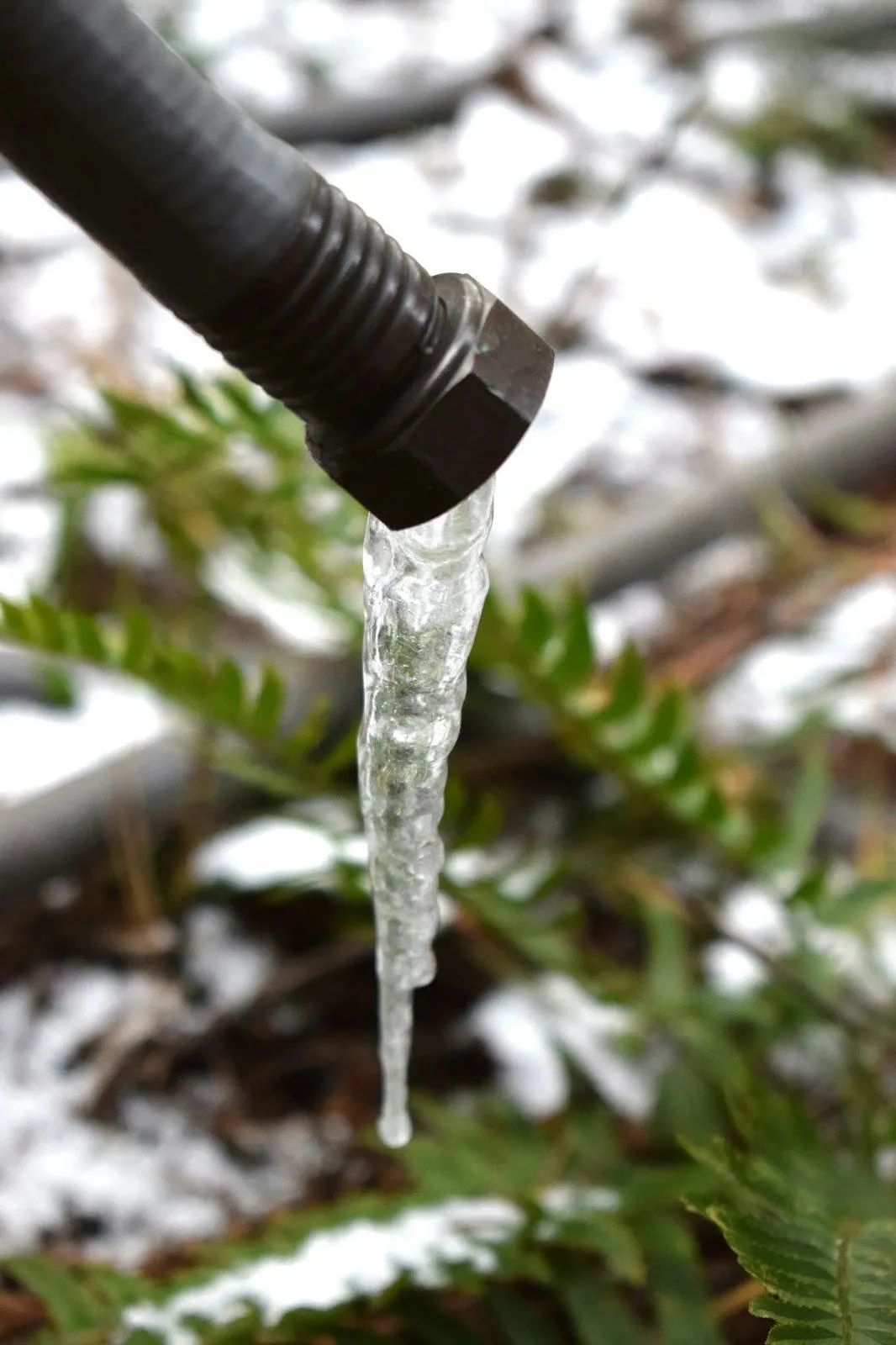
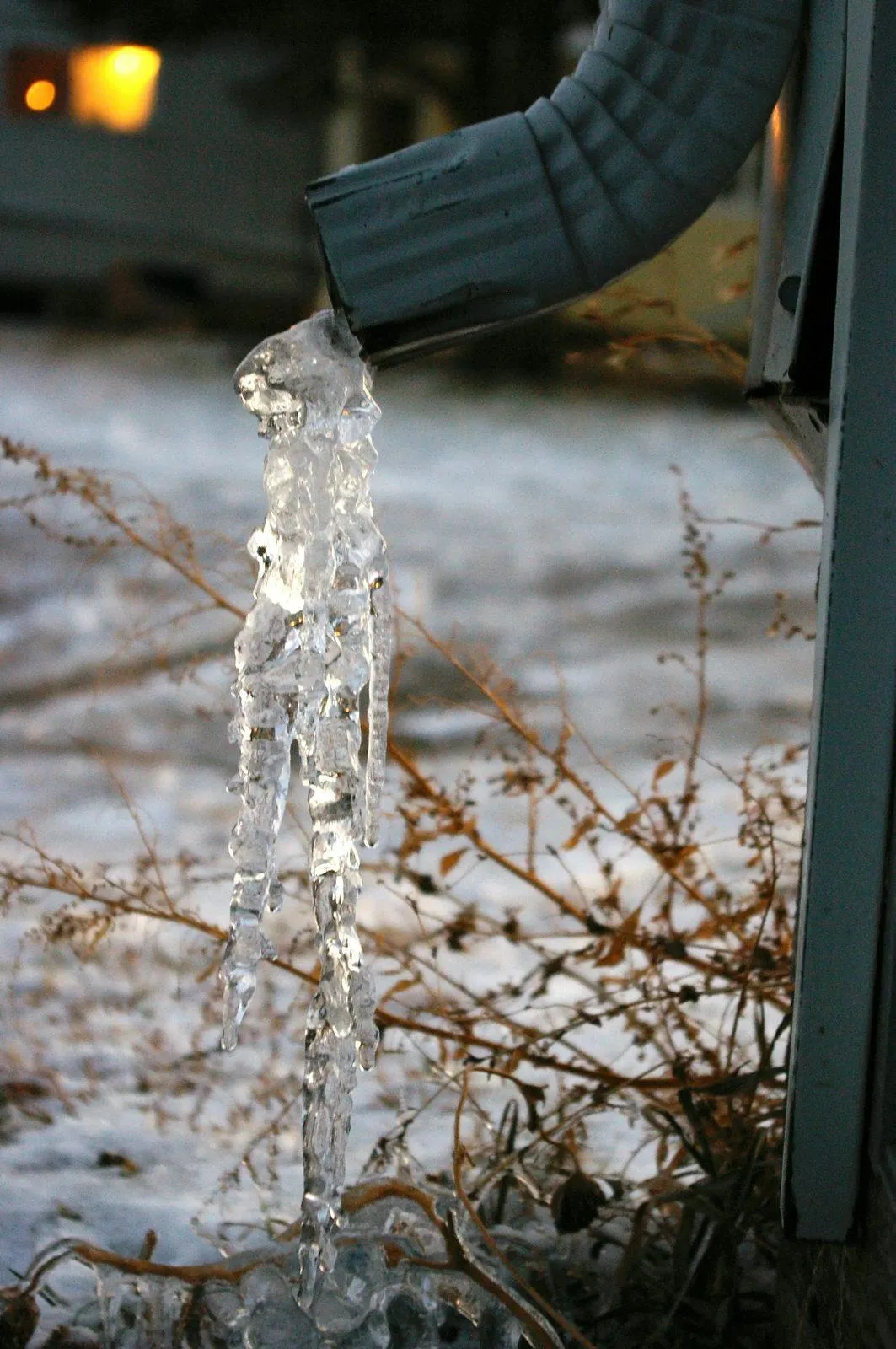
Frozen pipes occur when temperatures around a water supply line become low enough for the water inside to freeze.
As ice forms, it can restrict or completely block water flow. Pressure may build within sections of the plumbing system, potentially causing damage.
A frozen pipe does not always burst immediately. Sometimes the damage becomes visible only after temperatures rise and normal water flow resumes.
Common Signs of Frozen Water Pipes
One of the most noticeable signs of frozen plumbing is reduced water flow.
A faucet that normally produces a steady stream may suddenly deliver only a small trickle or no water at all.
However, low water pressure can have other causes, so homeowners should evaluate the surrounding conditions before assuming a pipe is frozen.
Other possible warning signs include:
- Little or no water coming from a faucet
- Visible frost on exposed plumbing
- Unusually cold sections of accessible pipe
- Bulging or visibly damaged pipes
- Unexpected changes in household water pressure
- Water stains appearing after freezing weather
A lack of water flow during a hard freeze deserves prompt attention, particularly when nearby fixtures continue working normally.
If multiple fixtures lose water simultaneously, the problem may involve a larger supply line or another part of the plumbing system.
Areas of the Home Most Vulnerable to Freezing
Pipes located in unheated or poorly insulated spaces are generally more vulnerable to freezing.
These areas may experience lower temperatures than the occupied portions of the home.
Common locations include:
- Unheated garages
- Attics and crawl spaces
- Exterior walls with limited insulation
- Outdoor faucets and hose connections
- Plumbing beneath kitchen and bathroom cabinets
- Exposed pipes near exterior openings
In some Texas Hill Country homes, plumbing passes through areas that receive limited protection from indoor heating.
Older properties may also have exposed plumbing or insulation that has deteriorated over time.
Identifying these vulnerable locations before winter can make it easier to prepare for freezing weather.
Why Frozen Pipes Can Burst
Water expands as it freezes, but pipe damage is not caused only by ice pushing directly against the pipe walls.
An ice blockage can trap liquid water within a section of the plumbing system. As additional freezing occurs, pressure may increase enough to rupture the pipe.
Copper, plastic, and other plumbing materials can all experience freeze-related damage under certain conditions.
A cracked pipe may remain partially sealed by ice until thawing begins.
Once the ice melts, water can escape through the damaged section, potentially spreading into walls, ceilings, cabinets, and flooring.
This is why homeowners should monitor plumbing carefully during and after a freeze.
Safe Methods for Thawing Frozen Water Pipes
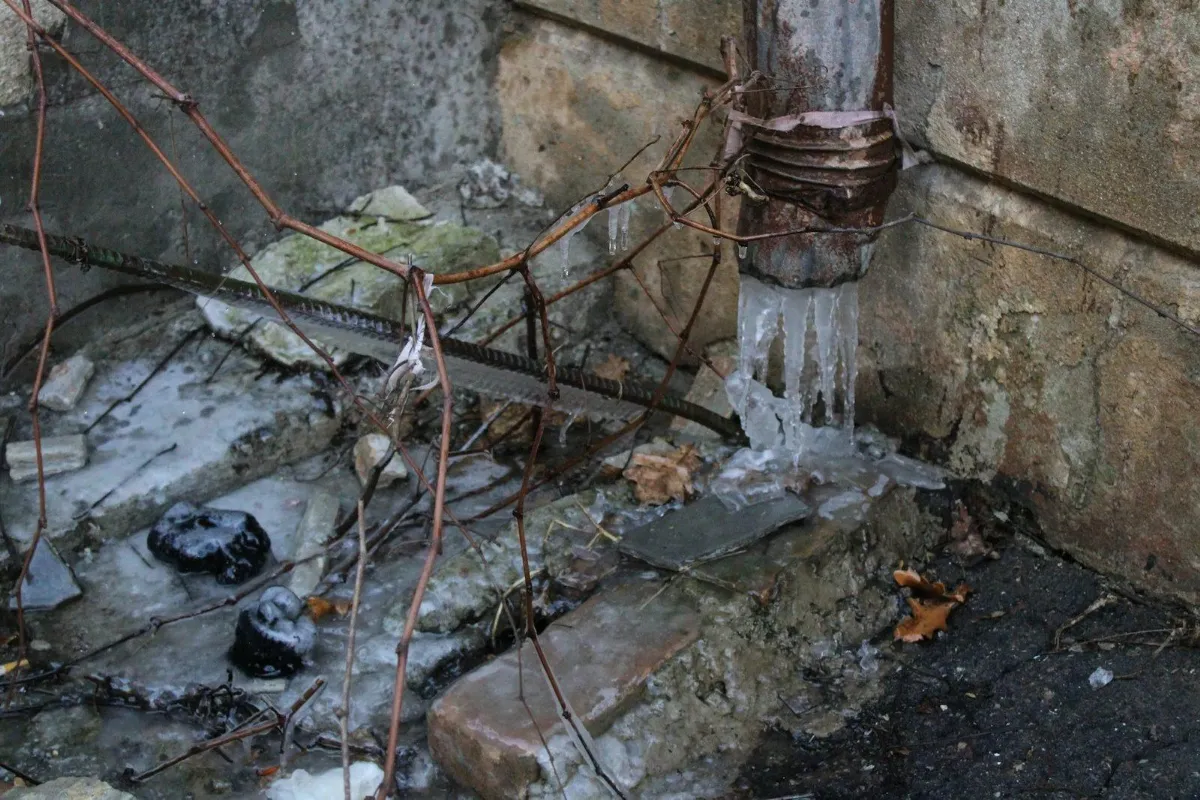
Some frozen pipes can be thawed without specialized plumbing equipment, particularly when the affected section is visible, accessible, and shows no signs of damage.
However, safety should always come first.
If a pipe is cracked, leaking, inaccessible, or located near electrical hazards, professional assistance is the safer option.
Preparing the Plumbing System Before Thawing
Before applying heat, identify which fixture has lost water flow and whether the suspected frozen section is accessible.
Inspect visible pipes for cracks, bulging, moisture, or other damage.
If the pipe appears damaged, do not attempt to restore normal water pressure through it.
Shut off the appropriate water supply if it is safe to do so and contact a plumber.
For an apparently intact, accessible frozen pipe, opening the affected faucet can provide an outlet for water as the ice melts.
Homeowners should also know where their main shutoff valve is in case a leak starts.
A basic preparation checklist includes:
- Identify the affected faucet or plumbing fixture.
- Find the main shutoff valve.
- Inspect accessible pipes for visible damage.
- Keep electrical equipment away from moisture.
- Open the affected faucet when appropriate.
- Prepare to stop the water supply if leakage occurs.
Do not assume a frozen pipe is undamaged simply because no water is currently visible.
Thawing Accessible Pipes With a Hair Dryer
A household hair dryer can provide gentle, directed heat to an accessible frozen pipe when conditions are dry and electrically safe.
Begin near the faucet end of the frozen section and gradually work toward the suspected ice blockage.
Move the hair dryer continuously rather than concentrating heat on one location.
Use moderate heat and maintain an appropriate distance from the pipe.
Avoid overheating plastic plumbing, fittings, insulation, or nearby building materials.
As the ice melts, water may begin flowing through the open faucet.
Continue monitoring the pipe and surrounding area for signs of leakage.
Never use a hair dryer in standing water, near wet electrical equipment, or where electrical shock is possible.
If the frozen section cannot be accessed safely, do not attempt to open walls or reach into confined spaces without appropriate assistance.
Using Warm Indoor Air to Help Thaw Pipes
Increasing the temperature of the surrounding space may help thaw plumbing located in cabinets or other accessible areas.
For example, opening cabinet doors beneath kitchen or bathroom sinks can allow heated indoor air to circulate around pipes near exterior walls.
Maintaining a consistent indoor temperature during freezing weather may also help prevent additional plumbing sections from freezing.
Portable space heaters require particular caution.
They should never be placed directly against plumbing, combustible materials, or confined cabinet spaces. Follow manufacturer instructions and maintain required clearances.
Do not use unattended heaters or improvised heating devices to thaw pipes.
In many situations, improving normal household heating and allowing warm air to circulate is preferable to applying concentrated heat.
Thawing Methods Homeowners Should Avoid
Certain thawing methods can create serious fire, electrical, or plumbing hazards.
Never attempt to thaw frozen pipes using:
- Blowtorches or open flames
- Propane burners
- Charcoal heaters
- Uncontrolled high-temperature equipment
- Electrical appliances in wet conditions
Open flames can ignite surrounding materials, damage plumbing, and create additional hazards.
Excessive heat may also weaken plastic pipes or damage seals and fittings.
Attempting to thaw hidden pipes with improvised equipment is particularly risky.
When the location of the blockage is uncertain or the pipe cannot be reached safely, a qualified plumber should evaluate the problem.
Step-by-Step Frozen Pipe Thawing and Emergency Response
A careful approach can help homeowners manage an accessible frozen pipe without creating unnecessary risks.
The correct response depends on whether the pipe appears intact and whether water is already leaking.
Steps for Thawing an Accessible Frozen Pipe
For a visible, undamaged pipe in a dry, safe location, follow these steps:
- Locate the affected plumbing. Identify the faucet with reduced water flow and inspect accessible supply lines for freezing.
- Find the main shut-off valve. Make sure you know how to stop the incoming water supply if a leak develops.
- Check for visible damage. Look for cracks, bulging, moisture, or damaged fittings before applying heat.
- Open the affected faucet. This can allow water to escape as the blockage begins melting.
- Apply gentle heat. Use a hair dryer on an accessible pipe, keeping it moving and avoiding excessive temperatures.
- Monitor water flow. Watch for a gradual return of water while checking the pipe for leaks.
- Inspect the plumbing after thawing. Look for dripping, moisture, or other evidence of damage once water flow returns.
Stop immediately if water begins leaking or the pipe appears damaged.
Shut off the water supply if safe and arrange professional repair.
There is no universal amount of time required to thaw a frozen pipe. The duration depends on the location, severity of freezing, pipe material, and surrounding temperature.
Avoid prolonged or repeated heating attempts when there is no progress.
What to Do if a Frozen Pipe Has Burst
A burst pipe requires a different response from an intact frozen pipe.
Once the damaged section begins leaking, continuing to thaw the line without controlling the water supply may worsen flooding.
If a pipe has burst:
- Shut off the main water supply immediately if safe.
- Avoid standing water near electrical outlets or appliances.
- Keep household members away from hazardous areas.
- Contact a qualified plumber for emergency repair.
- Document visible damage when conditions are safe.
- Arrange professional water removal if necessary.
Do not attempt to conceal a leak with temporary materials while leaving the water supply running.
The damaged section may require pipe replacement, fitting repairs, or additional inspection.
Water that enters walls or flooring can also create moisture problems beyond the original plumbing failure.
Monitoring Pipes After Temperatures Rise
Frozen plumbing may begin leaking during the thawing process or after outdoor temperatures increase.
Homeowners should inspect vulnerable plumbing areas when normal water flow returns.
Check beneath sinks, around exposed supply lines, near outdoor faucets, and along accessible walls where plumbing is installed.
Unexpected water meter activity, damp flooring, or unexplained pressure changes may indicate a hidden leak.
If the water meter continues recording usage when all fixtures are turned off, further investigation may be necessary.
A professional leak inspection can help identify problems that are not visible from inside the home.
Preventing Frozen Pipes During Texas Hill Country Winters
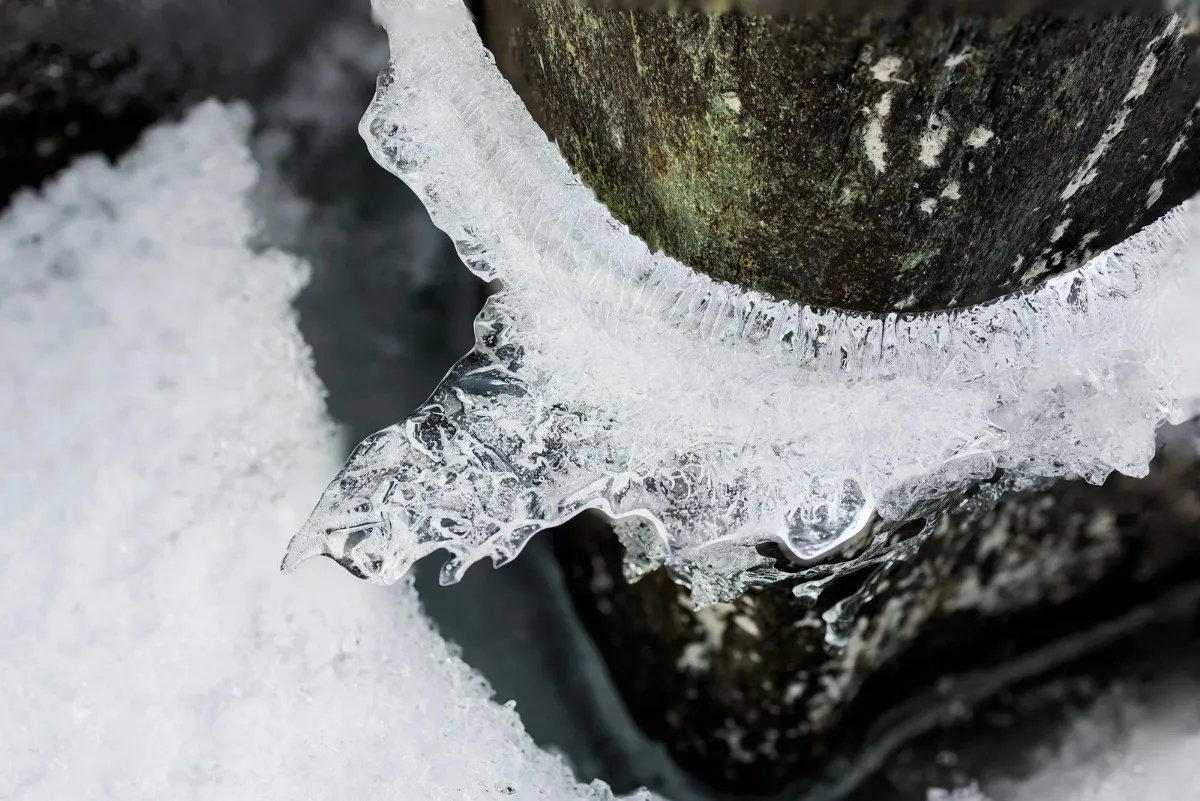
Preventing pipe freezing is generally easier than managing a plumbing emergency after damage occurs.
Although homeowners cannot control winter temperatures, they can take practical steps to reduce the exposure of vulnerable plumbing.
Insulating Exposed Pipes and Exterior Plumbing
Pipe insulation helps slow heat loss from exposed plumbing.
Foam pipe sleeves and other insulation materials may be suitable for certain pipes in garages, crawl spaces, and utility areas.
Insulation should be installed according to the product manufacturer's instructions.
Pay particular attention to water lines near exterior walls, unheated spaces, and openings that allow cold air to enter.
Outdoor faucets also deserve attention.
Disconnecting garden hoses and properly winterizing exterior hose bibs can help prevent water from remaining trapped inside vulnerable fixtures.
Insulated faucet covers may provide additional protection, although they cannot guarantee that a pipe will remain above freezing.
Maintaining Indoor Heat and Air Circulation
Keeping the home heated during freezing weather can help protect plumbing inside exterior walls and cabinets.
Avoid allowing indoor temperatures to drop excessively during extended absences.
Opening cabinet doors beneath sinks can allow warm indoor air to reach plumbing located near cold exterior walls.
However, ensure that household chemicals and other hazardous materials remain inaccessible to children and pets.
During particularly severe freezes, allowing a small amount of water to flow from vulnerable faucets may reduce freezing risk in some plumbing systems.
Homeowners should follow local utility guidance, especially during water supply emergencies or restrictions.
Running water does not guarantee protection against freezing, and it should not replace insulation or appropriate winter preparation.
Seasonal Plumbing Inspection and Maintenance
A seasonal plumbing inspection can help identify exposed pipes, deteriorated insulation, leaking fittings, and other vulnerabilities.
Homeowners should also find their main shutoff valve and make sure it turns and closes.
Properties with private wells may require additional attention to pressure tanks, well houses, and exposed supply lines.
For older homes, a plumber can evaluate whether vulnerable plumbing sections need insulation, relocation, or repair.
Routine maintenance does not eliminate the possibility of freezing, but it can help homeowners prepare for sudden cold weather.
Frequently asked questions
How Do You Thaw Frozen Pipes Safely?
Accessible, undamaged frozen pipes may be thawed using gentle heat from a hair dryer or warm indoor air. Open the affected faucet when appropriate, monitor for leaks, and avoid open flames or excessive heat. Contact a plumber when the pipe is damaged or inaccessible.
How Long Does It Take for Frozen Pipes to Thaw?
The time required depends on the pipe's location, surrounding temperature, material, and extent of freezing. Some accessible pipes may thaw relatively quickly, while others require professional attention. There is no guaranteed thawing time.
Can Frozen Pipes Thaw on Their Own?
Yes, frozen pipes may thaw naturally when surrounding temperatures rise. However, waiting can be risky because a damaged pipe may begin leaking as the ice melts. Monitor vulnerable areas and arrange professional assistance when necessary.
Should You Turn Off the Water if Your Pipes Are Frozen?
If a pipe appears damaged, is leaking, or cannot be safely monitored, shutting off the water supply can help prevent flooding. For an accessible, apparently intact pipe, the appropriate procedure depends on the plumbing configuration. Knowing where the main shut-off valve is located is essential.
Can You Use a Hair Dryer to Thaw Frozen Pipes?
A hair dryer may be used on an accessible frozen pipe when the area is dry and free from electrical hazards. Apply moderate heat, keep the dryer moving, and avoid overheating the pipe or nearby materials.
What Are the Signs That a Frozen Pipe Has Burst?
Warning signs include visible cracks, leaking water, damp walls, unusual water pressure changes, and moisture appearing after temperatures rise. Some leaks remain hidden inside walls or other inaccessible areas.
When Should You Call a Plumber for Frozen Pipes?
Contact a plumber when a pipe has burst, the frozen section is inaccessible, visible damage is present, or safe thawing attempts are unsuccessful. Professional assistance is also appropriate when multiple fixtures lose water or the source of the problem is uncertain.
Get Professional Frozen Pipe Repair From Bergheim Plumbing
Frozen pipes can create unexpected plumbing emergencies, particularly during sudden winter freezes in the Texas Hill Country.
Preventing freezes, catching warning signs early, and thawing pipes the right way all help limit water damage.
However, burst pipes, inaccessible frozen lines, and hidden plumbing leaks require professional attention.
Bergheim Plumbing provides general plumbing repairs and emergency plumbing assistance for homeowners throughout Spring Branch, Bergheim, Boerne, Bulverde, New Braunfels, and surrounding Texas Hill Country communities.
Whether you are dealing with a frozen water line, burst pipe, or suspected plumbing leak, professional inspection can help identify the problem and determine the appropriate repair.
Visit Emergency Plumbing Services to request assistance with frozen or damaged plumbing.

About the author
David Engel, owner, Bergheim Plumbing
David Engel started Bergheim Plumbing in Spring Branch in 1998 and holds Texas master plumber license M-36766. His son Colton works the trucks with him.