Quick facts
- Certain clay soils expand when they absorb moisture and contract as they dry.
- An unexplained warm area on the floor may indicate a leak involving a hot water line beneath the slab.
- Some meters include a leak indicator that moves when small amounts of water pass through the meter.
- Repairing a slab leak without identifying the source can lead to unnecessary demolition or incomplete repairs.
- Pipe rerouting involves installing a new section of plumbing along an alternative path rather than accessing the damaged pipe beneath the slab.
A hidden plumbing leak can develop beneath a home's foundation, behind a wall, or under flooring without producing an obvious puddle. For homeowners in the Texas Hill Country, recognizing the early warning signs is especially important because undetected water leaks can contribute to moisture damage, higher utility bills, and costly plumbing repairs.
Slab and hidden leaks in Hill Country homes may reveal themselves through unexpected increases in water bills, warm or damp flooring, unexplained sounds of running water, musty odors, or changes around the foundation. These symptoms do not always indicate a slab leak, but they are important reasons to investigate the plumbing system.
Homes throughout Spring Branch, Boerne, Kerrville, Bulverde, and surrounding communities may also experience soil movement, temperature changes, and aging plumbing infrastructure that can contribute to pipe damage over time.
Bergheim Plumbing, a family-owned plumbing company established in 1998, serves homeowners throughout the Texas Hill Country. Understanding the signs of hidden leaks and the methods used to locate them can help homeowners take appropriate action before water damage becomes more extensive.
What Causes Slab Leaks in Texas Hill Country Homes?

A slab leak occurs when a water supply line or another plumbing pipe located beneath or within a concrete slab foundation develops a leak.
These leaks may result from pipe corrosion, physical damage, installation problems, abrasion, or movement that places stress on plumbing connections.
In parts of the Texas Hill Country, local geology and changing soil moisture conditions can also influence the forces acting on buried pipes and foundations.
However, not every Hill Country home has the same soil conditions, foundation design, or plumbing materials. Determining the cause of a specific leak requires evaluating the property and the affected plumbing system.
How Can Hill Country Soil Conditions Affect Underground Pipes?
The Texas Hill Country includes areas with limestone formations, rocky soils, and clay-rich soil deposits.
Certain clay soils expand when they absorb moisture and contract as they dry. These changes can contribute to ground movement that affects foundations and buried infrastructure.
When underground pipes are exposed to repeated movement, connections and sections of piping may experience additional stress.
Over time, this stress can contribute to leaks, particularly when combined with aging materials or installation-related weaknesses.
However, soil movement is only one possible factor. A plumber may need to assess pipe condition, water pressure, and other circumstances to determine why a leak developed.
Can Limestone and Rocky Ground Contribute to Plumbing Problems?
Rocky terrain can create challenges for underground plumbing installations because pipes may be surrounded by hard materials or uneven bedding.
If pipes are not adequately protected or supported, contact with surrounding materials may contribute to wear over time.
Changes in ground conditions can also place stress on buried piping.
However, properly installed plumbing systems are designed to accommodate expected site conditions, and limestone alone does not establish that a home is likely to develop a slab leak.
A professional inspection is necessary to identify whether pipe damage, installation conditions, or another issue is responsible.
Do Older Homes Have a Higher Risk of Hidden Leaks?
Older plumbing systems may experience deterioration as pipes, fittings, and connections age.
Depending on the materials used, corrosion, mineral buildup, or gradual wear may increase the likelihood of leaks.
However, newer homes can also develop slab leaks because of installation defects, damaged pipes, excessive water pressure, or other factors.
The age of a home is therefore only one consideration.
Homeowners should pay attention to changes in plumbing performance regardless of when the property was built.
What Are the Early Warning Signs of a Slab Leak?
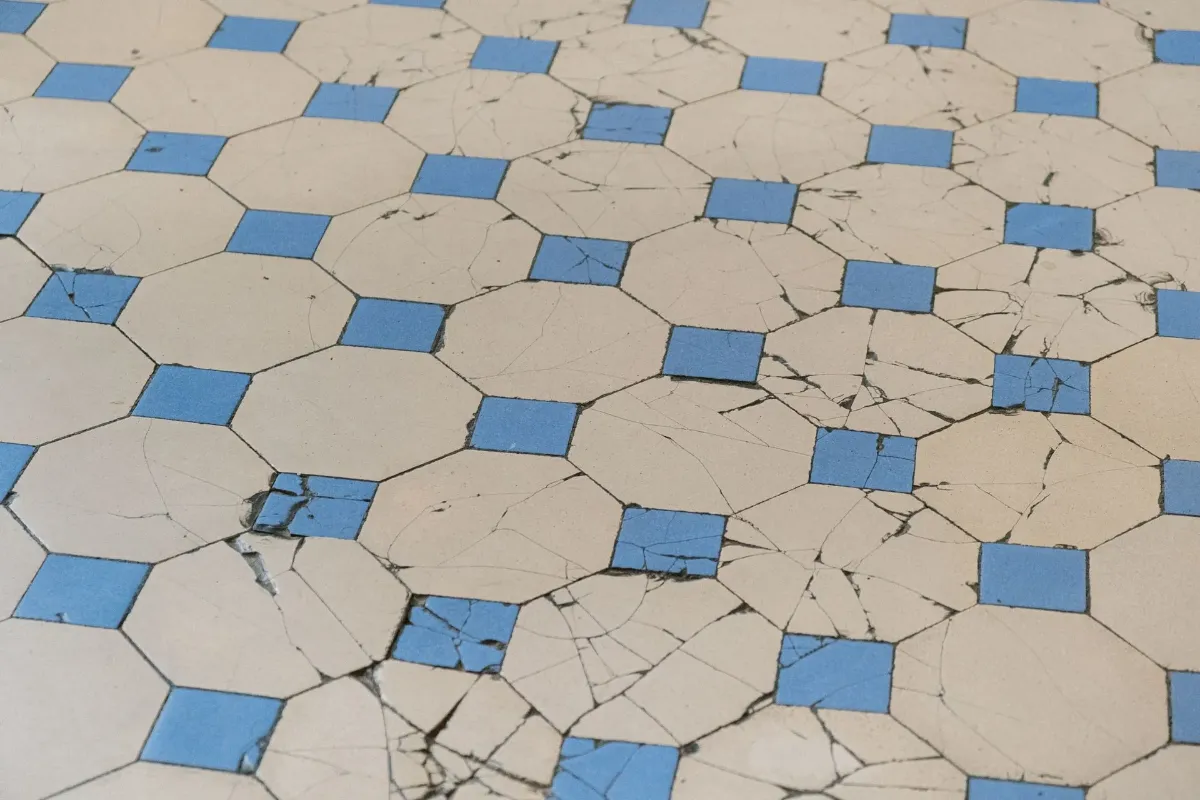
Slab leaks often develop in areas that are difficult to inspect directly.
Because the damaged pipe may be beneath concrete or flooring, the first signs are often indirect.
Homeowners may notice changes in water usage, unusual floor temperatures, moisture, or sounds that suggest water is moving when it should not be.
Recognizing these symptoms early can help reduce the amount of time a leak remains undetected.
1. An Unexplained Increase in Your Water Bill
A sudden increase in water usage without a corresponding change in household activity is one of the most useful warning signs of a possible plumbing leak.
If a pressurized water line is leaking continuously, water may continue passing through the meter even when no fixtures are being used.
This can result in a higher utility bill.
However, increased water consumption can also result from irrigation problems, running toilets, appliance malfunctions, or changes in household habits.
Before assuming the leak is beneath the slab, homeowners should investigate other potential sources.
Comparing current usage with previous billing periods can help identify unusual changes.
2. Warm Spots on Floors
An unexplained warm area on the floor may indicate a leak involving a hot water line beneath the slab.
As warm water escapes from the pipe, it can transfer heat into nearby materials and create a noticeable temperature difference at the floor surface.
This may be easier to detect on tile or other flooring materials that conduct heat.
However, warm spots can also result from sunlight, heating systems, or other normal temperature variations.
A warm floor alone does not confirm a slab leak.
If the temperature change is persistent and accompanied by other symptoms, professional leak detection may be appropriate.
3. Damp Flooring or Unexplained Moisture
Moisture appearing beneath flooring or near baseboards may indicate a hidden plumbing leak.
Depending on the location and severity of the leak, water can migrate through building materials and become visible away from the original source.
Homeowners may notice damp carpet, discolored flooring, swelling wood, or moisture along the edges of a room.
However, these symptoms can also result from roof leaks, exterior drainage problems, condensation, or appliance failures.
The source should be identified before repairs begin.
4. The Sound of Running Water When Fixtures Are Off
Unexplained water sounds may indicate that water is moving through the plumbing system when no fixtures should be operating.
Homeowners sometimes notice faint hissing, rushing, or dripping sounds near walls or floors.
These sounds may be associated with a leaking supply line, but they can also originate from toilets, appliances, or normal plumbing operation.
If the sound continues after all water-using fixtures have been turned off, it may justify further investigation.
A licensed plumber can evaluate the plumbing system and determine whether pressure testing or other diagnostic methods are appropriate.
5. Musty Odors or Mold Growth
Persistent moisture can create conditions that support mold or mildew growth.
Homeowners may notice musty odors near carpeting, flooring, cabinets, or baseboards before visible moisture becomes apparent.
However, mold and musty smells do not necessarily indicate a slab leak.
Other causes may include high indoor humidity, condensation, roof leaks, or water entering through exterior walls.
If mold or unexplained moisture is present, the underlying water source should be identified and corrected.
Significant mold contamination may also require appropriate professional remediation.
6. Cracks or Changes Around the Foundation
Cracks in floors, walls, or foundations can develop for several reasons, including normal settlement, soil movement, construction conditions, and structural stress.
In some circumstances, prolonged water leakage beneath a foundation may contribute to changes in surrounding soil moisture and affect foundation conditions.
However, cracks alone are not reliable evidence of a slab leak.
Homeowners should avoid assuming that a plumbing problem is responsible without further evaluation.
If cracks are widening, doors are becoming difficult to operate, or other structural changes are occurring, a qualified foundation or structural professional may also need to assess the property.
How Can You Check for a Hidden Water Leak at Home?
Homeowners can perform several basic checks to determine whether a plumbing leak may be present.
These checks do not replace professional diagnosis, but they can help identify unusual water usage or moisture conditions.
The goal is to gather useful information without damaging flooring, walls, or plumbing components.
Step 1: Turn Off Water-Using Fixtures and Appliances
Begin by making sure faucets, showers, washing machines, dishwashers, and other water-using fixtures are not operating.
Check that toilets are not running and that outdoor irrigation systems are turned off.
Automatic appliances can use water unexpectedly, so homeowners should ensure that no scheduled water-consuming cycles are active during the test.
This creates a more reliable starting point for checking whether water continues moving through the system.
Step 2: Check Your Water Meter
Locate the home's water meter and record the current reading.
Some meters include a leak indicator that moves when small amounts of water pass through the meter.
With all water-using fixtures and appliances turned off, observe whether the indicator continues moving.
If the meter does not have a visible leak indicator, record the reading and check it again after a period without water use.
A change may suggest that water is being consumed somewhere in the system.
However, this test does not establish whether the leak is beneath the slab, inside the home, or elsewhere on the metered supply.
Step 3: Inspect Floors and Baseboards
Walk through the home and look for areas that appear damp, discolored, or unusually warm.
Check around baseboards, carpeting, cabinets, and flooring transitions.
Pay attention to changes that cannot be explained by recent cleaning, spills, sunlight, or normal household activity.
If moisture is present, avoid removing flooring or cutting into concrete before the source has been identified.
Professional testing may help determine whether the moisture is associated with plumbing or another building issue.
Step 4: Compare Water Bills and Usage History
Review recent water bills to identify changes in consumption.
Compare the current month with previous months and, when possible, the same period in earlier years.
Consider whether irrigation schedules, household occupancy, or appliance usage have changed.
An unexplained increase may justify additional plumbing checks.
However, billing changes alone cannot confirm a hidden leak.
Step 5: Contact a Licensed Plumber if Warning Signs Continue
If the water meter indicates unexpected usage or the home has persistent moisture, unusual water sounds, or unexplained warm floor areas, professional inspection is appropriate.
A licensed plumber can assess the plumbing system and determine which diagnostic methods are suitable.
Early investigation may help limit ongoing water loss and identify repair options before damage becomes more extensive.
How Do Plumbers Find Slab Leaks Without Tearing Up Floors?
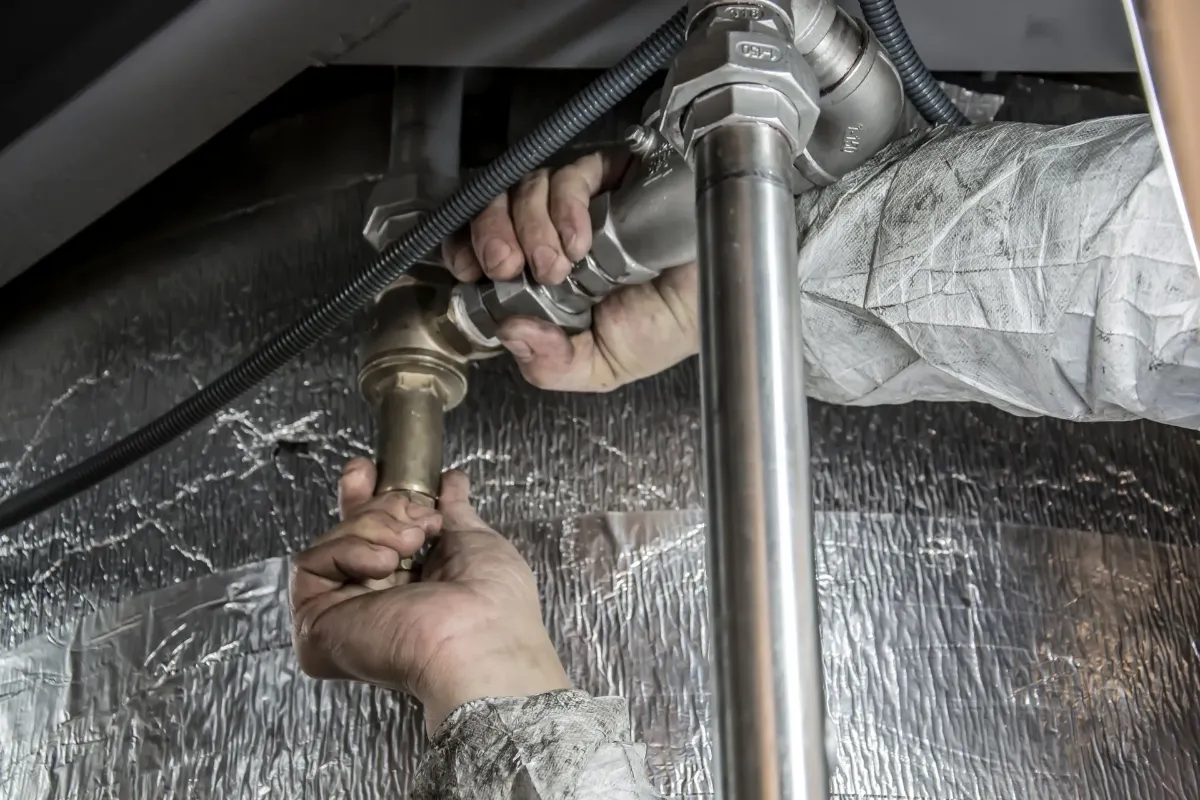
Professional slab leak detection involves identifying the location and likely cause of a plumbing leak before selecting a repair method.
Depending on the situation, plumbers may use acoustic equipment, thermal imaging, pressure testing, or other diagnostic techniques.
These methods can help narrow the search area and may reduce unnecessary demolition.
However, no single detection method works perfectly in every situation, and some repairs may still require access through concrete or other building materials.
Acoustic Leak Detection
Acoustic leak detection equipment is designed to help identify sounds associated with water escaping from pressurized pipes.
A technician may use specialized listening devices to examine areas around floors, walls, or exposed plumbing components.
The equipment can amplify certain sounds that are difficult to hear without assistance.
However, effectiveness depends on pipe material, leak size, water pressure, surrounding noise, and building construction.
Acoustic detection may help narrow the suspected location, but additional testing may be necessary to confirm the problem.
Infrared Thermal Imaging
Thermal imaging cameras detect temperature differences across surfaces.
When a hot water line leaks beneath a slab, heat may spread into nearby materials and create a temperature pattern that can be observed with thermal equipment.
This information can help identify areas requiring further investigation.
However, thermal imaging does not directly show water inside concrete, and temperature differences can result from several causes.
The results must be interpreted alongside other observations and plumbing tests.
Pressure Testing
Pressure testing can help determine whether a section of the plumbing system is maintaining pressure as expected.
A qualified plumber may isolate specific lines and use appropriate equipment to evaluate pressure changes.
Unexpected pressure loss can indicate a possible leak, although the results must be interpreted carefully.
The test may help narrow the affected section of piping.
However, pressure testing alone does not necessarily identify the exact location of the leak.
Tracer Gas Detection
In certain situations, specialized tracer gas methods may be used to help locate leaks.
These techniques involve introducing an appropriate test gas into an isolated line and using detection equipment to identify where the gas may be escaping.
Tracer gas testing is not necessary or suitable for every plumbing problem.
Its effectiveness depends on the pipe configuration, leak conditions, and testing method.
A qualified professional should determine whether this approach is appropriate.
Why Is Accurate Leak Detection Important?
Repairing a slab leak without identifying the source can lead to unnecessary demolition or incomplete repairs.
For example, a damp floor may suggest a leak beneath the slab, but the actual cause could involve an appliance connection or another plumbing component.
A systematic diagnostic process helps distinguish between these possibilities.
Once the leak has been located, the plumber can explain the available repair options and any limitations associated with the proposed work.
What Are the Repair Options for Slab Leaks?
The appropriate repair method depends on the location of the leak, the condition of the pipe, the home's plumbing layout, and the accessibility of the affected area.
Some leaks may be repaired by accessing the damaged section, while others may require replacing or rerouting part of the plumbing system.
A professional assessment is necessary to determine the most practical approach.
Direct Pipe Repair
Direct repair involves accessing the damaged section of pipe and repairing or replacing the affected portion.
For leaks beneath a concrete slab, this may require opening part of the flooring and concrete to reach the plumbing.
The amount of access required depends on the pipe location and surrounding construction.
Direct repair may be suitable when the leak is isolated and the remaining plumbing is in acceptable condition.
However, homeowners should understand the potential disruption and restoration work before approving the repair.
Pipe Rerouting
Pipe rerouting involves installing a new section of plumbing along an alternative path rather than accessing the damaged pipe beneath the slab.
Depending on the home, the replacement line may be routed through walls, ceilings, or other accessible areas.
This approach may reduce the need to open concrete in certain situations.
However, rerouting is not appropriate for every plumbing layout, and installation requirements can vary.
A plumber should explain the proposed route, materials, and any associated building modifications.
Replacing Larger Sections of Plumbing
If a plumbing system has multiple leaks or widespread deterioration, repairing a single section may not provide a long-term solution.
In these situations, replacing a larger portion of the affected plumbing may be worth considering.
The decision should be based on the condition of the pipes, the history of leaks, and the cost and disruption associated with different repair options.
Homeowners should request a clear explanation of why replacement is recommended and what work will be involved.
What Should You Do if You Suspect a Slab Leak?
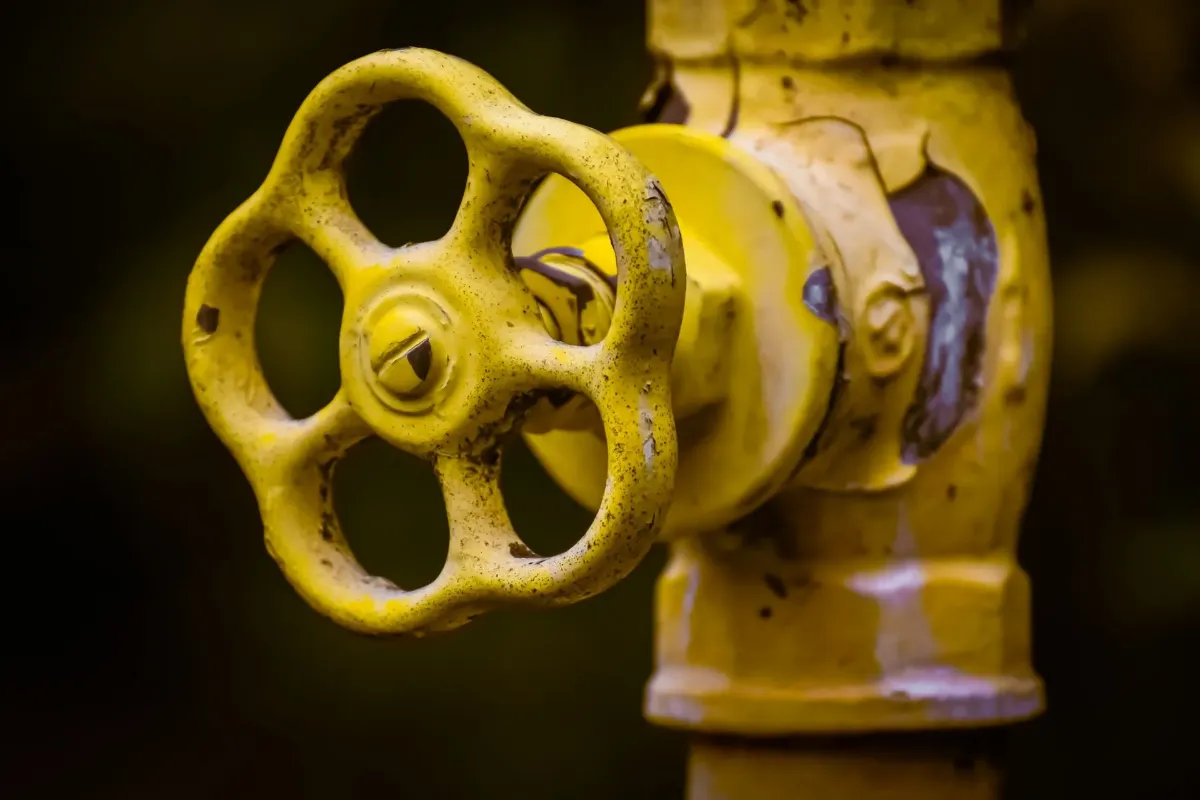
A suspected slab leak should be investigated promptly, particularly when water is actively escaping or moisture damage is increasing.
However, homeowners should avoid attempting invasive repairs without identifying the source.
The following steps can help manage the situation safely.
Shut Off the Water if an Active Leak Is Suspected
If water is actively leaking or causing significant damage, shutting off the home's main water supply may help limit additional water loss.
Homeowners should know where the main shutoff valve is located and how to operate it safely.
If the valve is damaged, inaccessible, or difficult to operate, professional assistance may be necessary.
Do not enter flooded areas where electrical hazards may be present.
Document the Warning Signs
Record the symptoms that led you to suspect a leak.
This may include photographs of damp flooring, notes about warm spots, unusual water sounds, or recent utility bills.
Documenting when the symptoms first appeared can help a plumber understand how the problem developed.
It may also be useful when communicating with an insurance provider, although coverage depends on the policy and circumstances.
Arrange Professional Leak Detection
A licensed plumber can assess the plumbing system and determine whether a leak is present.
The inspection may involve checking water pressure, examining accessible plumbing, and using specialized detection equipment.
Homeowners should ask which diagnostic methods are appropriate and whether any access to flooring or concrete is expected.
Identifying the source before repair helps avoid unnecessary work.
Review Repair Options and Costs
Once the leak has been located, request an explanation of the recommended repair.
Ask whether the work involves direct pipe access, rerouting, or replacement.
Homeowners should also clarify what restoration work may be required after the plumbing repair.
Understanding the scope and cost of the project can help prevent unexpected expenses.
Slab Leak Help From Bergheim Plumbing Across the Hill Country
Bergheim Plumbing is a family-owned plumbing company established in 1998 by Texas master plumber David Engel.
Based in Spring Branch, the company serves homeowners throughout the Texas Hill Country, including Boerne, Kerrville, Bulverde, New Braunfels, Canyon Lake, and surrounding communities.
For homeowners experiencing unexplained water usage, damp flooring, or other possible slab leak symptoms, a professional plumbing assessment can help determine whether the problem involves an underground water line or another part of the plumbing system.
Bergheim Plumbing provides plumbing services for homeowners seeking assistance with leaks and other residential plumbing concerns.
Homeowners can contact Bergheim Plumbing at (210) 264-1432 to discuss their symptoms and arrange service.
Conclusion
Recognizing the signs of slab and hidden leaks in Hill Country homes can help homeowners identify plumbing problems before water damage becomes more extensive.
Unexplained water bills, warm floor spots, damp carpeting, musty odors, and unusual water sounds are all reasons to investigate, although none of these symptoms confirms a slab leak on its own.
Basic checks, such as observing the water meter and inspecting visible plumbing areas, can provide useful information. However, professional leak detection is often necessary to determine the source and evaluate the available repair options.
For homeowners in Spring Branch, Boerne, Kerrville, Bulverde, and surrounding Texas Hill Country communities, Bergheim Plumbing provides residential plumbing services and assistance with suspected leaks.
Contact Bergheim Plumbing at (210) 264-1432 to discuss possible slab leak symptoms and arrange a professional plumbing assessment.
Frequently asked questions
What are the most common signs of a slab leak?
Common warning signs include unexplained increases in water bills, warm or damp flooring, sounds of running water when fixtures are off, and persistent moisture around floors or baseboards. Some homeowners may also notice musty odors or changes in flooring materials. However, these symptoms can have causes unrelated to slab leaks. A professional plumbing inspection is necessary to confirm whether a pipe beneath the foundation is leaking.
Can a slab leak damage a home's foundation?
A prolonged leak beneath a slab may affect soil moisture conditions and contribute to damage around the foundation or flooring. However, the extent of any damage depends on the leak, soil conditions, foundation design, and other factors. Not every slab leak causes structural damage. If significant foundation movement or cracking is present, a qualified structural professional may need to evaluate the property alongside the plumber.
How can I tell if my water meter indicates a hidden leak?
Turn off all faucets, appliances, irrigation systems, and other water-using fixtures. Record the water meter reading or observe its leak indicator, then check again after a period without water use. If the reading changes, water may be flowing somewhere in the metered system. However, the test does not identify the leak's location, and additional investigation is needed to determine whether it involves a slab, toilet, irrigation line, or another plumbing component.
Can plumbers detect slab leaks without breaking concrete?
Plumbers can often use diagnostic methods such as acoustic listening equipment, thermal imaging, and pressure testing to investigate suspected slab leaks before opening concrete. These tools may help narrow the suspected leak location and reduce unnecessary demolition. However, results depend on the type of leak and building conditions. Some repairs may still require access through flooring or concrete once the problem has been identified.
Are slab leaks common in Texas Hill Country homes?
Slab leaks can occur in Hill Country homes, as they can in other regions. Local soil conditions, ground movement, pipe materials, installation quality, and plumbing age may influence the risk for a particular property. However, the presence of limestone or clay does not mean a home will necessarily develop a slab leak. Homeowners should focus on actual warning signs and have suspected plumbing problems evaluated rather than assuming that regional geology confirms a leak.
Should I shut off my water if I suspect a slab leak?
If water is actively escaping or causing damage, shutting off the main water supply may help limit further water loss until a plumber can inspect the system. If the symptoms are less urgent, such as an unexplained bill increase without visible damage, a plumber can advise on appropriate next steps. Homeowners should avoid operating unfamiliar or damaged valves and should not enter flooded areas where electrical hazards may exist. Prompt professional assessment is recommended when a significant leak is suspected.

About the author
David Engel, owner, Bergheim Plumbing
David Engel started Bergheim Plumbing in Spring Branch in 1998 and holds Texas master plumber license M-36766. His son Colton works the trucks with him.