Quick facts
- The bubbling or glugging sound occurs when air moves through water in the toilet trap rather than escaping normally through the plumbing system.
- Excess toilet paper, wipes, and other materials can collect inside the drain and reduce the space available for wastewater to pass through.
- Homeowners should observe what happens when different plumbing fixtures are used rather than repeatedly flushing the toilet to test it.
- Use a flange-style toilet plunger that forms a seal around the bowl opening rather than a flat sink plunger.
- Sewage coming up through a drain is an emergency, so stop using water throughout the house, do not flush any toilets, and contact a plumber immediately.
Toilet gurgling can indicate that air is being pushed back through the toilet trap because water cannot move freely through the drain or sewer line. Although an occasional bubbling sound may seem minor, repeated gurgling can be an early warning of a developing blockage that affects more than one fixture.
The cause may be a partial clog near the toilet, a restriction farther down the main sewer line, a blocked plumbing vent, or an issue with a septic system. Understanding when the sound occurs and whether other drains are affected can help homeowners determine how serious the problem may be and when professional plumbing service is needed.
What Toilet Gurgling Indicates About Your Plumbing
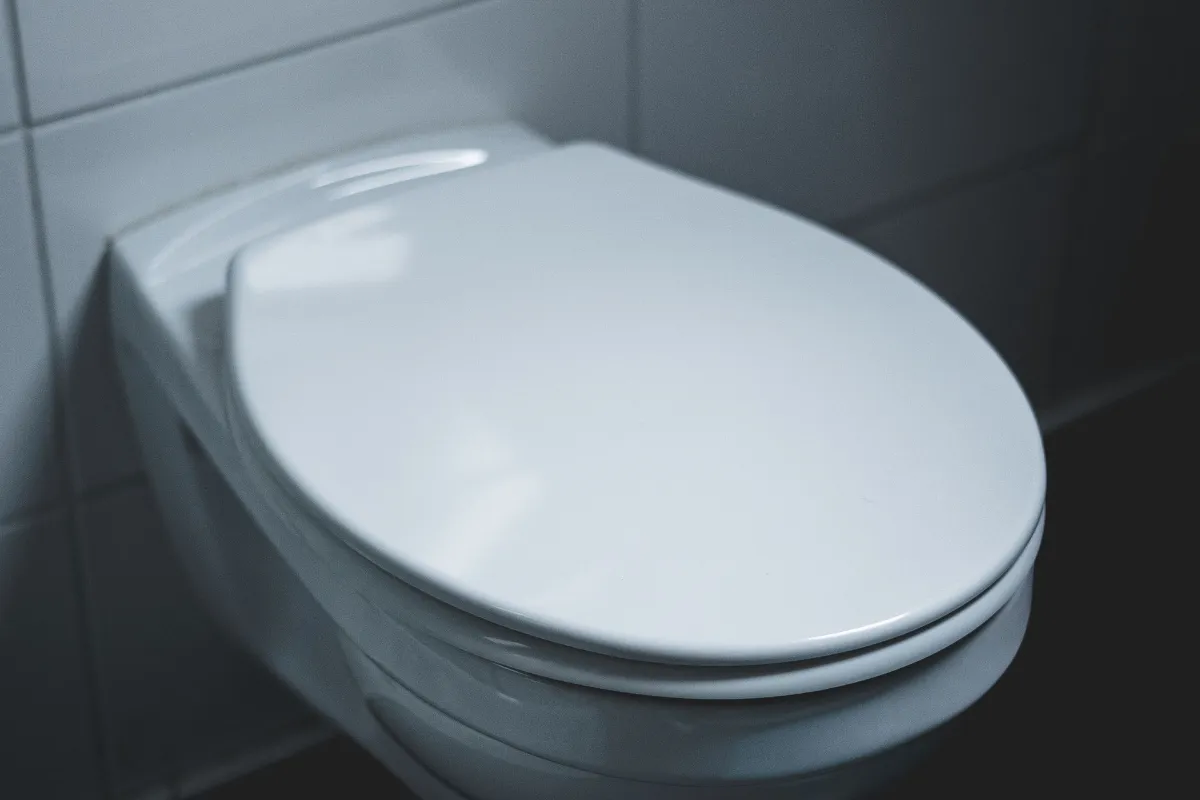
A toilet normally drains through gravity, allowing wastewater to move through the trap and into the home's drain system. When something restricts that movement, air pressure inside the plumbing can change, sometimes forcing air back through the water in the toilet bowl.
Air Pressure Changes Inside the Drain Line
The bubbling or glugging sound occurs when air moves through water in the toilet trap rather than escaping normally through the plumbing system. This often happens when wastewater encounters a partial blockage and cannot flow through the pipe at its normal rate.
As water moves past a restriction, it can create pressure differences that pull or push air through nearby plumbing fixtures. The toilet bowl may bubble, the water level may briefly rise or fall, and the sound may continue for several seconds after another fixture drains.
Gurgling Can Occur Before a Drain Backup
Homeowners may notice bubbling before wastewater actually begins coming back into the toilet. This is one reason the sound should not be dismissed simply because the toilet still flushes and the bowl eventually empties.
Pay attention to whether the sound happens after flushing or when another fixture is used. These details can help distinguish a problem near the toilet from a restriction affecting a larger portion of the home's plumbing.
Common Causes of a Gurgling Toilet
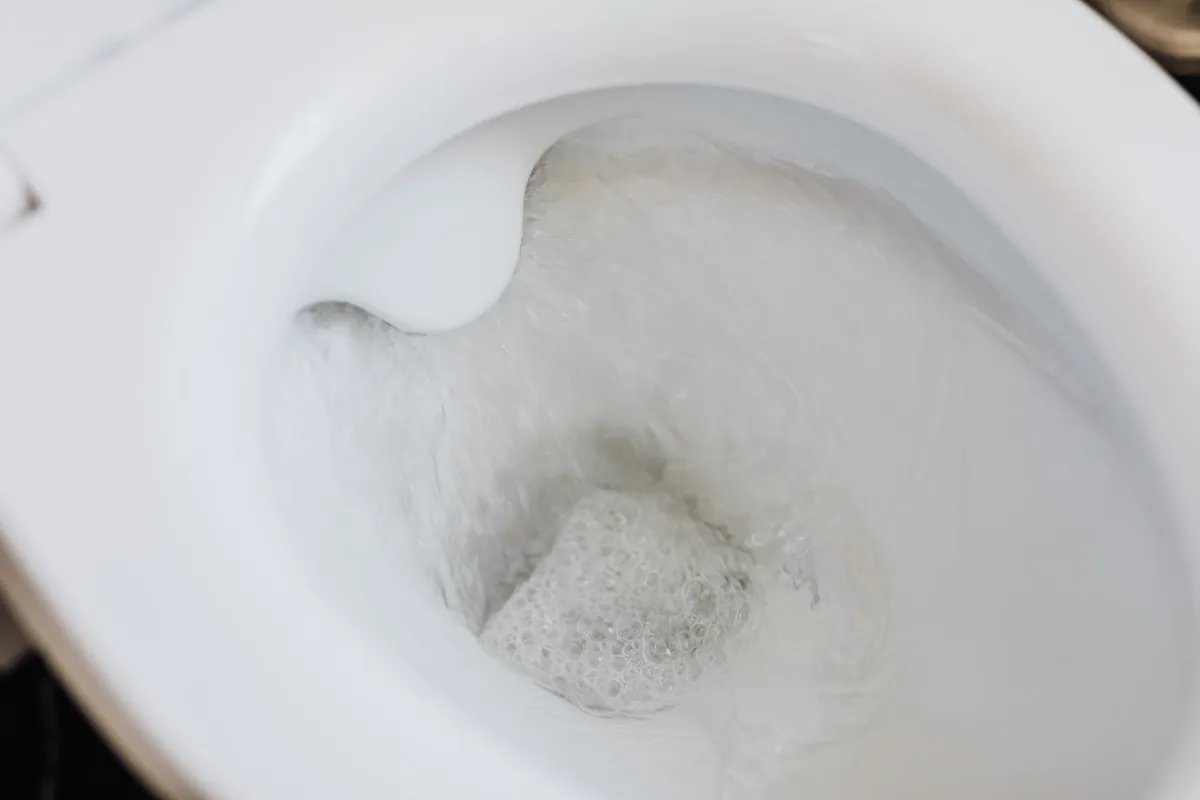
Several plumbing problems can interfere with normal drainage and cause air to move backward through a toilet trap. The location of the restriction often determines which fixtures show symptoms and how the problem develops.
Partial Blockages Near the Toilet
A partial clog in the toilet or its connecting branch drain is one possible explanation for repeated bubbling. Excess toilet paper, wipes, and other materials can collect inside the drain and reduce the space available for wastewater to pass through. Other signs of a localized toilet blockage include:
- Water rising higher than normal during a flush
- A toilet that drains slowly after flushing
- Bubbling sounds coming from the same toilet
- Water that swirls without clearing the bowl properly
- A toilet that repeatedly clogs despite plunging
Main Sewer Line Restrictions and Other Causes
A blockage in the main sewer line can affect multiple fixtures because wastewater from different parts of the house eventually enters the same drainage system. Grease, accumulated debris, wipes, and tree roots can all restrict the pipe and interfere with normal wastewater movement.
Tree roots can also enter older sewer lines through small openings or damaged joints. Once inside, roots may continue growing and catch toilet paper and other debris, creating a blockage that returns even after a temporary opening is made.
How to Tell Whether the Problem Affects One Toilet or the Whole House
The number of affected fixtures can provide useful information about where a drainage problem may be developing. Homeowners should observe what happens when different plumbing fixtures are used rather than repeatedly flushing the toilet to test it.
Symptoms Limited to One Toilet
When only one toilet makes bubbling sounds, the cause may be closer to that fixture. A partial clog in the toilet trap or the branch drain serving that bathroom can interfere with drainage without necessarily affecting the rest of the house.
Check whether the bathroom sink, shower, and other toilets drain normally. If these fixtures work as expected and the gurgling occurs only after flushing one toilet, a localized restriction becomes a reasonable possibility.
Gurgling When Other Fixtures Drain
A toilet that bubbles when the washing machine drains or the bathtub empties may indicate a restriction farther down the drainage system. These fixtures release a relatively large amount of water, and a partially blocked main line may struggle to carry that flow.
For example, a homeowner may notice that the toilet makes a glugging sound whenever the washing machine enters its drain cycle. Another common situation occurs when emptying a full bathtub causes nearby toilet water to bubble or change levels. If several fixtures show symptoms, avoid using unnecessary water until the plumbing can be evaluated.
What Homeowners Can Safely Do About a Gurgling Toilet
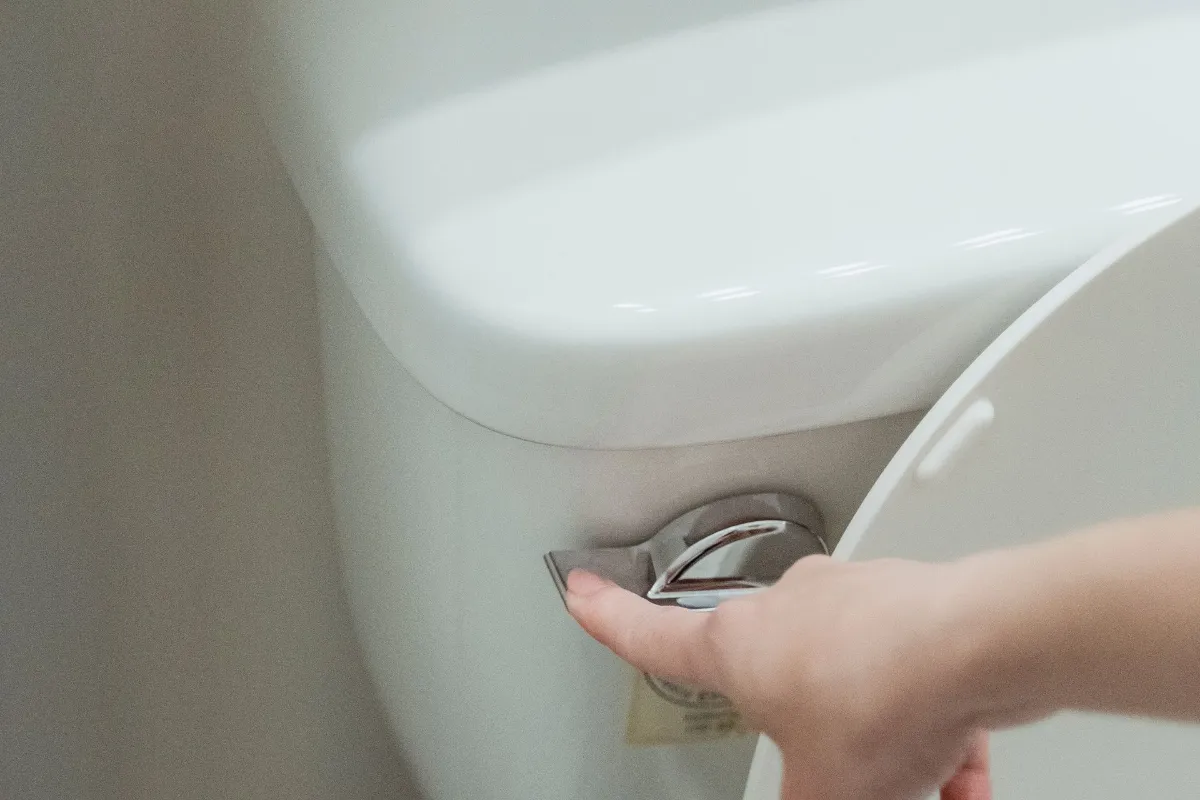
A few basic steps may help with minor toilet blockages, but homeowners should avoid actions that could worsen the problem or create additional plumbing damage. The safest approach depends on whether the symptoms appear limited to one fixture or involve multiple drains.
Start With Simple Toilet Drainage Checks
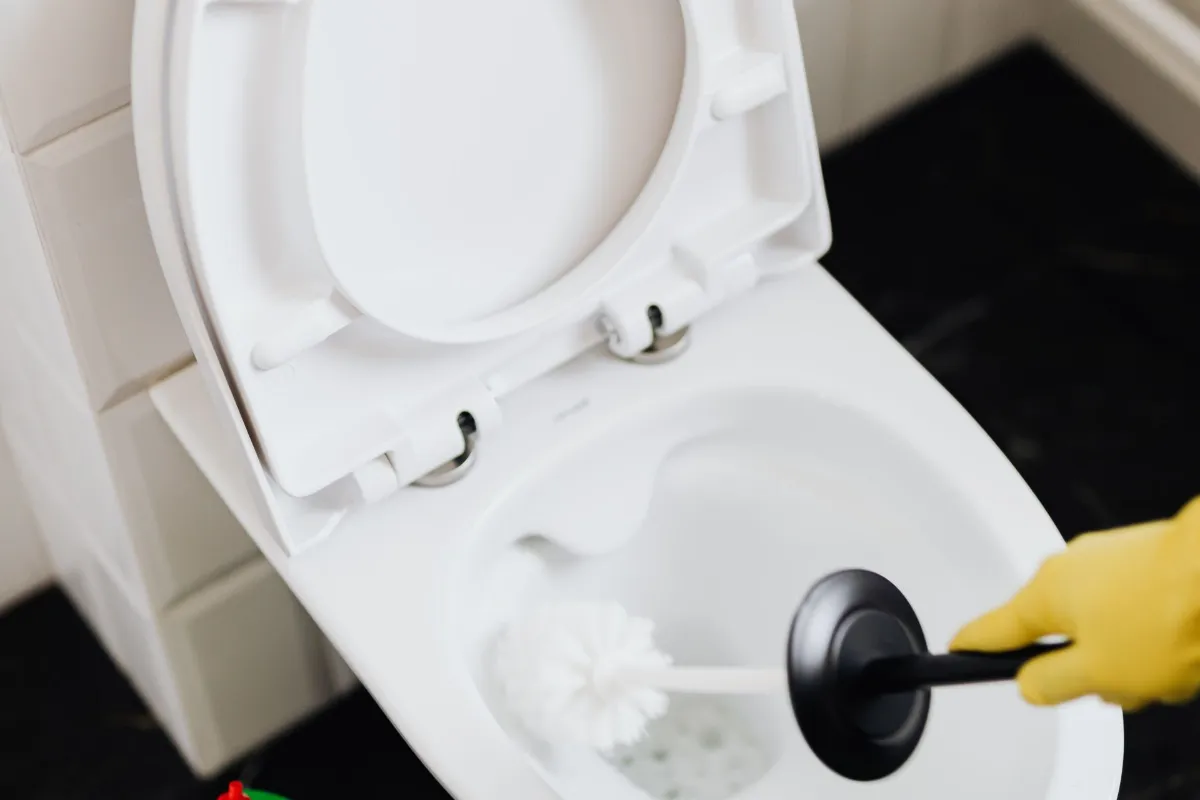
If only one toilet is affected and there are no signs of a wider sewer backup, a properly used toilet plunger may help clear a minor obstruction. Use a flange-style toilet plunger that forms a seal around the bowl opening rather than a flat sink plunger.
Make sure there is enough water in the bowl to cover the rubber cup, then apply steady pressure with controlled pushes and pulls. Avoid excessive force, particularly if the bowl is already close to overflowing, because additional water movement may create a mess. A few preventive habits also help:
- Stop flushing wipes, including products labeled flushable
- Dispose of paper towels and hygiene products in the trash
- Use only a reasonable amount of toilet paper per flush
- Avoid repeatedly flushing a toilet that is draining poorly
- Pay attention to changes in other drains throughout the house
Avoid Chemical Cleaners and Unsafe Plumbing Attempts
Chemical drain cleaners are not a reliable solution for every toilet or sewer line blockage. Some products can damage plumbing materials, create hazardous splashes, and leave chemicals sitting in the drain when the obstruction does not clear.
Homeowners should also avoid climbing onto the roof to inspect or clear a plumbing vent. Roof access creates a fall risk, and a suspected vent restriction should be evaluated safely rather than addressed through an improvised attempt. If plunging does not help, professional drain cleaning can find and clear the restriction.
When a Gurgling Toilet Requires Professional Plumbing Service
Not every bubbling sound requires emergency service, but certain symptoms indicate that wastewater may no longer be moving through the plumbing safely. Recognizing these warning signs helps homeowners avoid property damage and unnecessary exposure to sewage.
Warning Signs of a Serious Sewer Line Problem
A toilet that gurgles occasionally without other symptoms may have a developing restriction. However, gurgling combined with multiple slow drains, sewage odors, or wastewater backing up should be treated more seriously. The following situations require prompt attention:
- Sewage coming up through a toilet, shower, or floor drain
- Every drain in the house backing up or draining poorly
- Water backing up into a bathtub when another fixture is used
- Strong sewer odors developing inside the home
- Repeated toilet gurgling accompanied by worsening drainage
Sewage coming up through a drain is an emergency, so stop using water throughout the house, do not flush any toilets, and contact a plumber immediately. After-hours emergency service is available for sewage backups, and this plumbing emergency guide explains which other situations need immediate attention.
How a Plumber Identifies and Clears the Blockage
For a single slow drain, a plumbing cable can break through the obstruction and restore drainage. A cable generally punches a hole through the clog, allowing water to pass, although grease and roots may remain along the pipe walls.
When the main line contains substantial grease or root buildup, hydro jetting may be more appropriate. A hydro jetter uses pressurized water to scour the pipe walls, helping remove accumulated material rather than simply opening a small passage through it.
The plumber looks at the line first to see what needs to be removed and whether the pipe can handle the cleaning, and an accessible cleanout can provide a practical way in without tearing up a floor. There is no charge for Bergheim Plumbing to come out, the homeowner hears one price before work begins, and the plumber shows that the line is clear afterward.
Fix a Gurgling Toilet With Bergheim Plumbing
Addressing repeated toilet gurgling early can help prevent a developing drainage restriction from turning into a larger backup or sewage problem.
Bergheim Plumbing provides drain cleaning, hydro jetting, and toilet and plumbing repairs for homeowners throughout Spring Branch, Bergheim, Boerne, Bulverde, New Braunfels, and surrounding Texas Hill Country communities.
Whether you need help with a recurring toilet clog, a restricted main sewer line, or wastewater backing up into your home, professional service can help identify the appropriate solution.
Visit Bergheim Plumbing to schedule drain cleaning or request assistance with a gurgling toilet or sewer line blockage.
Frequently asked questions
Can a Toilet Gurgle Even When It Is Not Clogged?
Yes. A restricted plumbing vent, a blockage farther down the sewer line, or a problem with the septic system can cause bubbling even when the toilet itself is clear. The timing of the sound and whether other fixtures are affected can help identify the likely source.
Is a Gurgling Toilet Always a Sign of a Main Sewer Line Clog?
No. A partial clog in the toilet or its branch drain can produce similar sounds. However, if several toilets or drains are affected, a main line restriction becomes a more likely explanation.
Can a Blocked Plumbing Vent Cause Toilet Gurgling?
Yes. Plumbing vents help regulate air pressure in the drainage system, and a blocked or restricted vent can interfere with normal drainage. A plumber can determine whether the symptoms point to a vent problem or a blockage elsewhere in the system.
Can Septic Problems Make a Toilet Gurgle?
Yes. A septic system that is not accepting wastewater properly can contribute to slow drains, bubbling toilets, and backups. A plumber can help evaluate the household drainage symptoms, but inspection and servicing of the septic tank itself should be handled by a septic contractor.

About the author
David Engel, owner, Bergheim Plumbing
David Engel started Bergheim Plumbing in Spring Branch in 1998 and holds Texas master plumber license M-36766. His son Colton works the trucks with him.