Quick facts
- Even when temperatures remain above freezing during the day, overnight conditions can become cold enough to affect vulnerable plumbing.
- Preparing outdoor faucets does not usually require specialized equipment.
- Insulated outdoor faucet covers provide an additional layer of protection against cold weather.
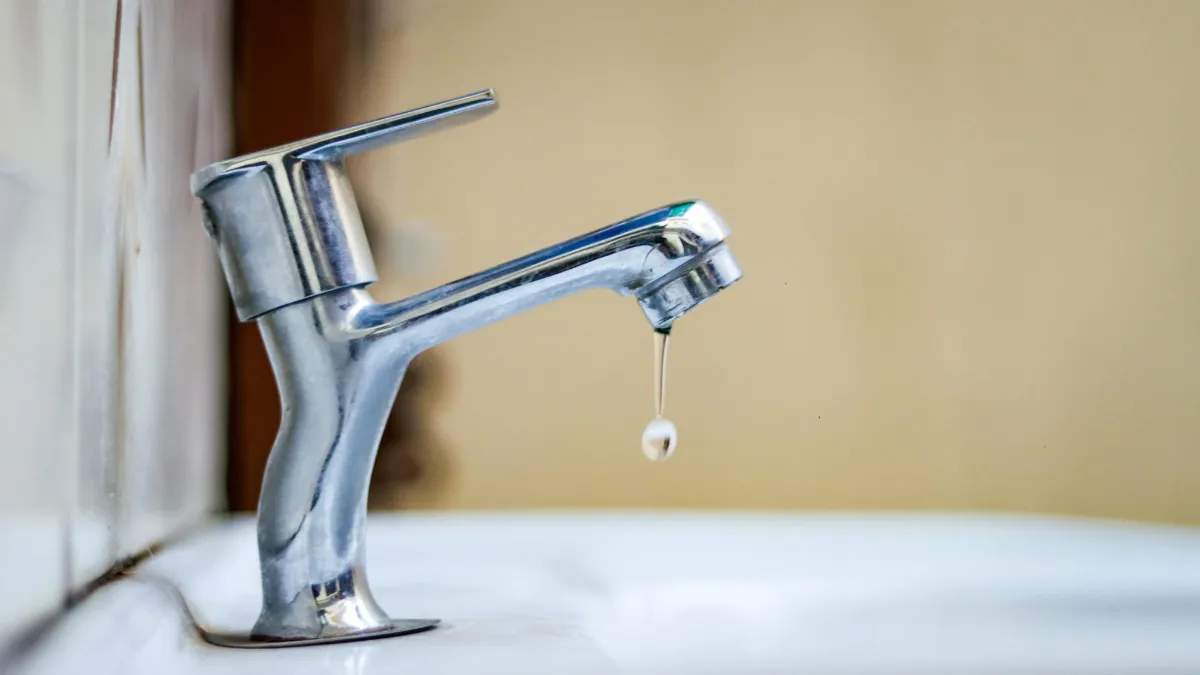
Winter temperatures in the Texas Hill Country can be unpredictable. While much of the year brings warm weather, sudden cold fronts and overnight freezes can create serious problems for outdoor plumbing. One of the most vulnerable areas of a home's plumbing system is the outdoor faucet, also known as a hose bib or spigot.
Learning how to winterize outdoor faucets is an important part of protecting your home from frozen pipes, cracked fixtures, and unexpected water damage. When water becomes trapped inside an outdoor faucet or connected pipe, freezing temperatures can cause it to expand, potentially damaging the plumbing system.
For homeowners in Spring Branch, Bergheim, Boerne, Bulverde, New Braunfels, and surrounding Texas Hill Country communities, preparing outdoor plumbing before winter arrives can help reduce the risk of expensive repairs.
Fortunately, winterizing outdoor faucets often involves a few straightforward steps. Disconnecting garden hoses, shutting off the appropriate water supply, draining exposed lines, and installing insulated faucet covers can provide valuable protection.
However, the correct winterization process depends on whether your home has a traditional outdoor faucet or a frost-free hose bib.
This guide explains the tools needed, proper winterization methods, common mistakes, and warning signs of freeze-related plumbing damage.
Understanding the Importance of Outdoor Faucet Winterization
Outdoor faucets are exposed to changing temperatures throughout the year. Unlike indoor plumbing fixtures, which typically benefit from the home's heating system, exterior faucets may experience direct exposure to freezing air.
Even when temperatures remain above freezing during the day, overnight conditions can become cold enough to affect vulnerable plumbing.
Freeze Damage Risks for Outdoor Faucets
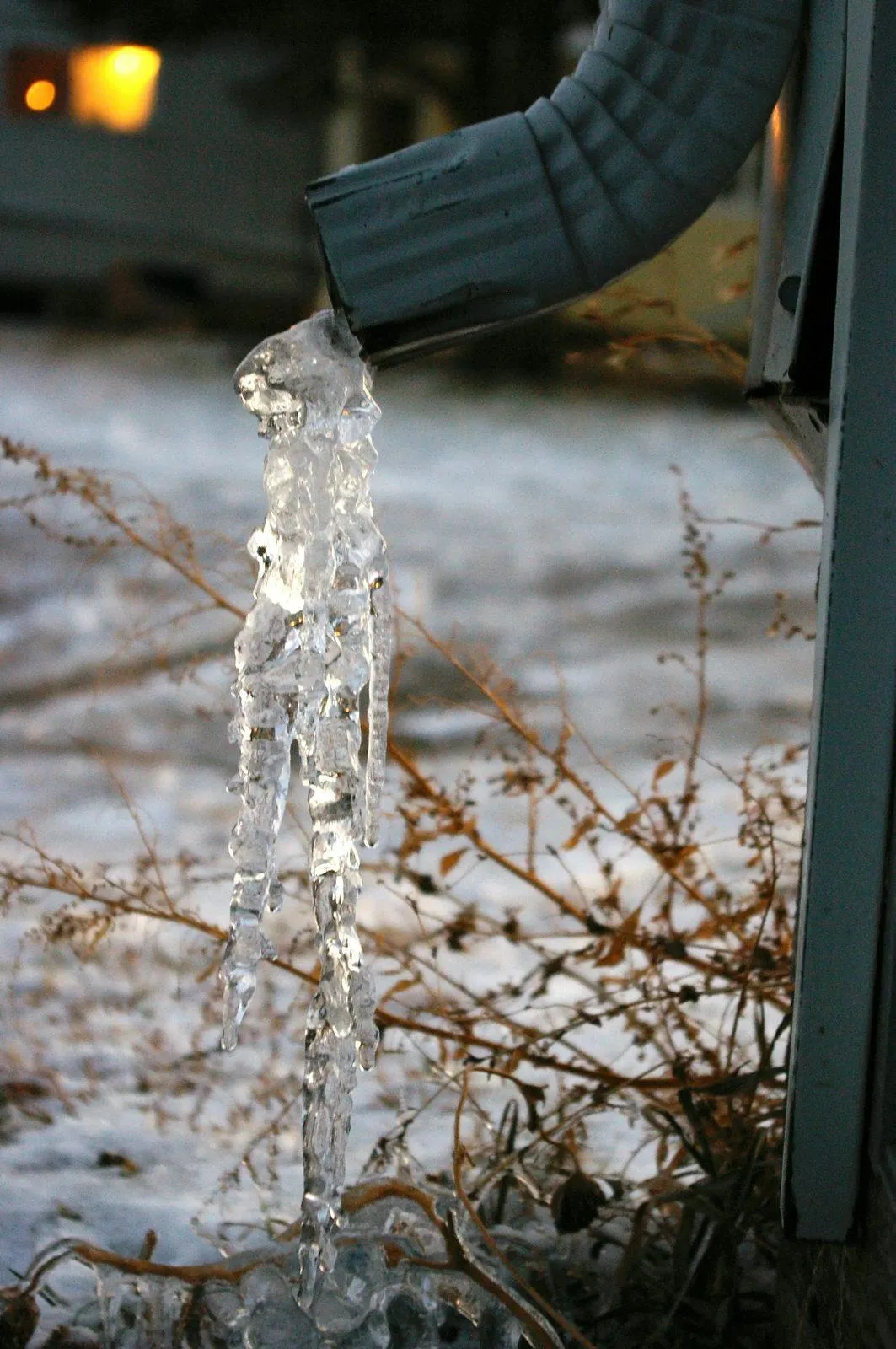
Water expands as it freezes. When water becomes trapped inside a closed section of plumbing, ice formation can increase pressure and contribute to cracked pipes, damaged fittings, or broken faucet components.
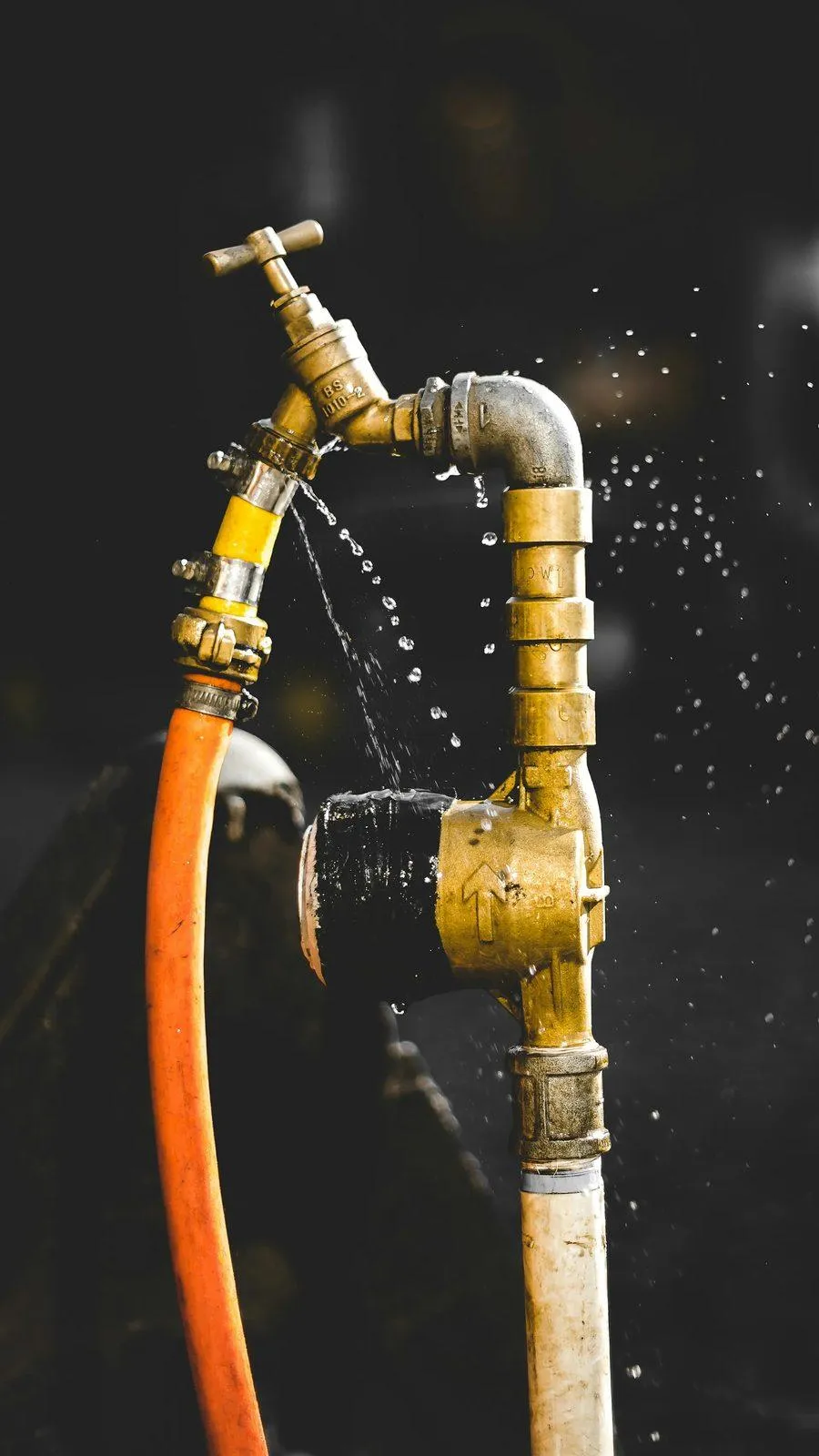
An outdoor faucet connected to a garden hose may be particularly vulnerable because water can remain trapped inside the hose and faucet assembly.
In some cases, the damage occurs inside the wall rather than at the visible faucet.
A homeowner may not discover the problem until temperatures rise and water begins leaking from the damaged pipe.
Potential consequences include:
- Cracked outdoor faucet bodies
- Burst water supply pipes
- Water leaks inside exterior walls
- Moisture damage to insulation and drywall
- Damaged hose connections and fittings
- Unexpected plumbing repair expenses
The severity of the damage depends on the plumbing materials, water pressure, exposure conditions, and location of the affected pipe.
Winterization helps reduce these risks by removing trapped water and limiting exposure to freezing temperatures.
Winter Plumbing Challenges in the Texas Hill Country
The Texas Hill Country experiences periods of mild winter weather interrupted by occasional freezing temperatures.
These sudden temperature changes can catch homeowners unprepared, particularly when outdoor plumbing has remained connected to hoses or irrigation equipment.
Homes with exposed exterior plumbing, poorly insulated wall cavities, or older hose bibs may require additional attention.
Properties using private wells may also have outdoor water connections and exposed supply lines that need separate winter preparation.
Homeowners should inspect outdoor plumbing before freezing weather is forecast rather than waiting until temperatures have already dropped.
Essential Tools and Materials for Winterizing Outdoor Faucets
Preparing outdoor faucets does not usually require specialized equipment. Many homeowners can complete basic winterization using common household tools and inexpensive protective materials.
However, plumbing configurations vary, and some systems may require professional assistance.
Basic Outdoor Faucet Winterization Supplies
Gathering the necessary materials before starting makes the process easier.
Useful supplies include:
- Insulated faucet covers: Help reduce heat loss around exterior spigots.
- Bucket: Collects residual water during draining.
- Adjustable wrench: May help remove stubborn hose fittings.
- Pliers: Provide additional grip when disconnecting attachments.
- Dry towels: Help clean up water around the work area.
- Flashlight: Makes it easier to inspect valves in utility spaces.
Many homeowners use an insulated faucet cover to protect an outdoor faucet in winter.
These covers typically fit over the exterior faucet and secure against the wall.
They are available in several designs, including rigid insulated shells and flexible fabric covers.
The cover should fit securely without damaging the faucet or surrounding exterior materials.
Traditional Faucets and Frost-Free Hose Bibs
Before winterizing, homeowners should identify the type of outdoor faucet installed.
Traditional outdoor faucets generally have a shutoff mechanism located near the exterior spout. Water may remain inside the exposed faucet and connecting pipe after the handle is closed.
These installations may require an interior shutoff valve and drainage procedure.
Frost-free hose bibs have an extended valve stem designed to shut off water farther inside the building, where temperatures are generally warmer.
When installed correctly and used without a connected hose, these fixtures are designed to drain water from the exposed portion after the faucet is turned off.
However, frost-free faucets are not completely immune to freezing.
Improper installation, insufficient drainage, or leaving a garden hose attached can allow water to remain trapped inside the fixture.
Understanding the difference helps homeowners choose the correct winterization method.
Step-by-Step Outdoor Faucet Winterization Process
Winterizing outdoor faucets begins with removing attachments and determining whether the faucet has a dedicated interior shutoff valve.
The following process is primarily intended for traditional outdoor faucets with accessible shutoff valves.
Frost-free faucets require a slightly different approach.
Disconnecting Garden Hoses and Outdoor Attachments
The first step is to disconnect everything attached to the outdoor faucet.
Garden hoses, hose splitters, timers, and irrigation attachments can retain water even after the faucet has been turned off.
If temperatures drop below freezing, trapped water may expand and damage the hose connection or faucet.
Remove attachments such as:
- Garden hoses
- Hose reels with connected supply hoses
- Faucet splitters
- Watering timers
- Pressure washer connections
- Removable irrigation attachments
After disconnecting a hose, drain the remaining water before storing it.
Coil the hose loosely and place it in a suitable storage area.
If a hose connection is difficult to remove, avoid applying excessive force that could damage the faucet or plumbing inside the wall.
A wrench may help loosen the fitting, but severely corroded connections may require professional attention.
Shutting Off the Outdoor Water Supply
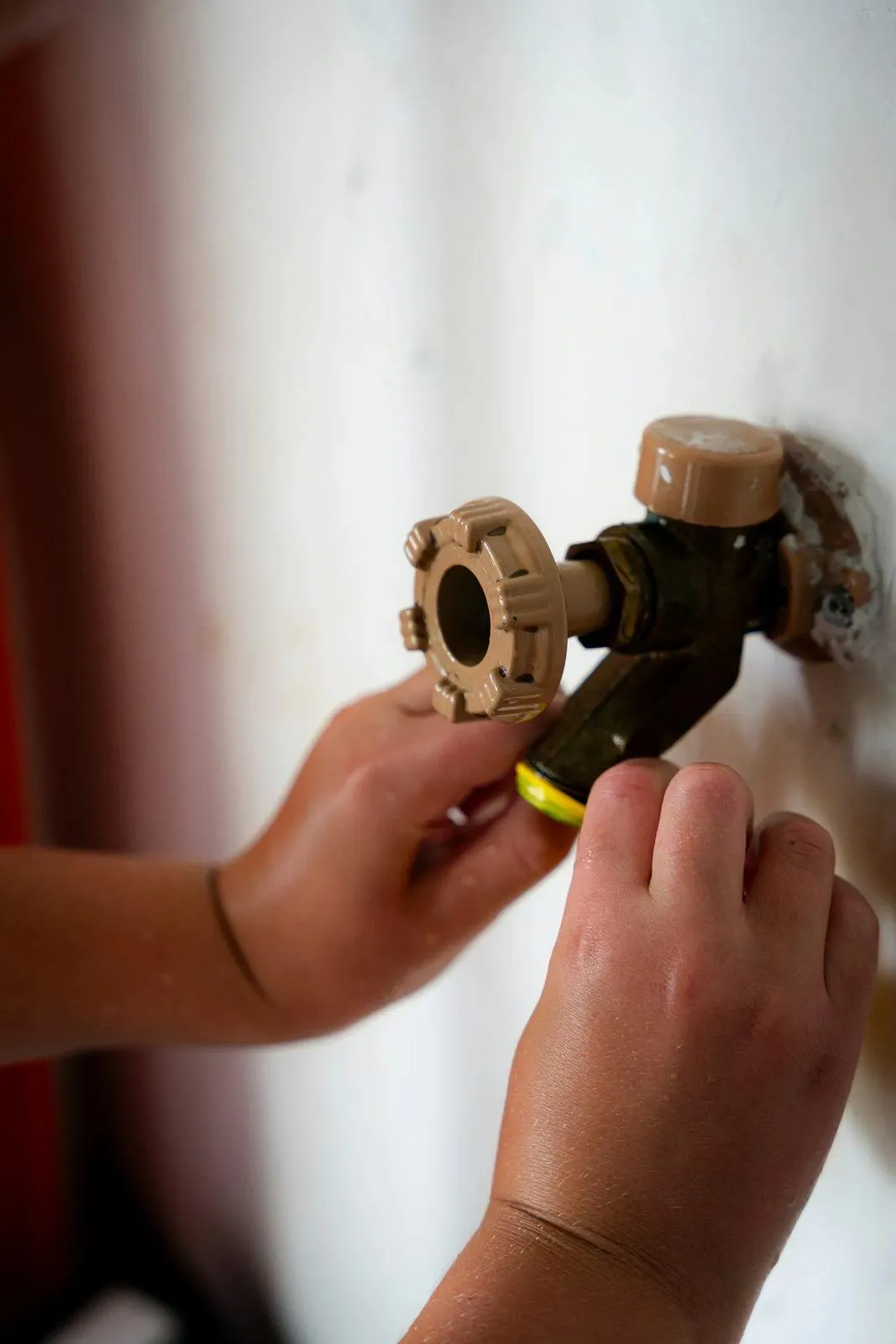
For traditional outdoor faucets with a dedicated interior shutoff valve, the next step is to turn off the water supply feeding the fixture.
The location of this valve varies between homes.
It may be found in a utility room, garage, basement, crawl space, or another accessible area near the outdoor plumbing connection.
Some homes do not have a dedicated shutoff valve for each exterior faucet.
When a shutoff valve is available, close it according to its design.
For a typical round-handled valve, this usually means turning the handle clockwise.
Quarter-turn valves operate differently and generally close when the handle is perpendicular to the pipe.
Avoid forcing a valve that is stuck or damaged.
If the valve cannot be located or operated safely, a plumber can help determine the appropriate winterization method.
Homeowners should not assume that temporarily shutting off the main water supply will automatically drain every exterior pipe.
Draining Water From Outdoor Faucets
After closing the dedicated interior shutoff valve, open the exterior faucet to release the remaining water.
Place a bucket beneath the spout to catch the drainage.
Allow water to flow until it stops.
Some interior shutoff valves include a small drain or bleeder fitting designed to help empty the downstream pipe.
These should be operated according to the plumbing configuration and appropriate instructions.
For a conventional faucet supplied by a winterized, isolated line, leaving the exterior valve open may help prevent pressure from becoming trapped in the drained section.
However, this procedure should not be applied automatically to frost-free faucets or plumbing systems that remain pressurized.
For a frost-free hose bib, remove all attachments and close the faucet normally so its built-in drainage design can function.
If the faucet continues dripping, does not drain properly, or appears damaged, arrange an inspection before freezing weather arrives.
Installing Outdoor Faucet Covers for Additional Protection
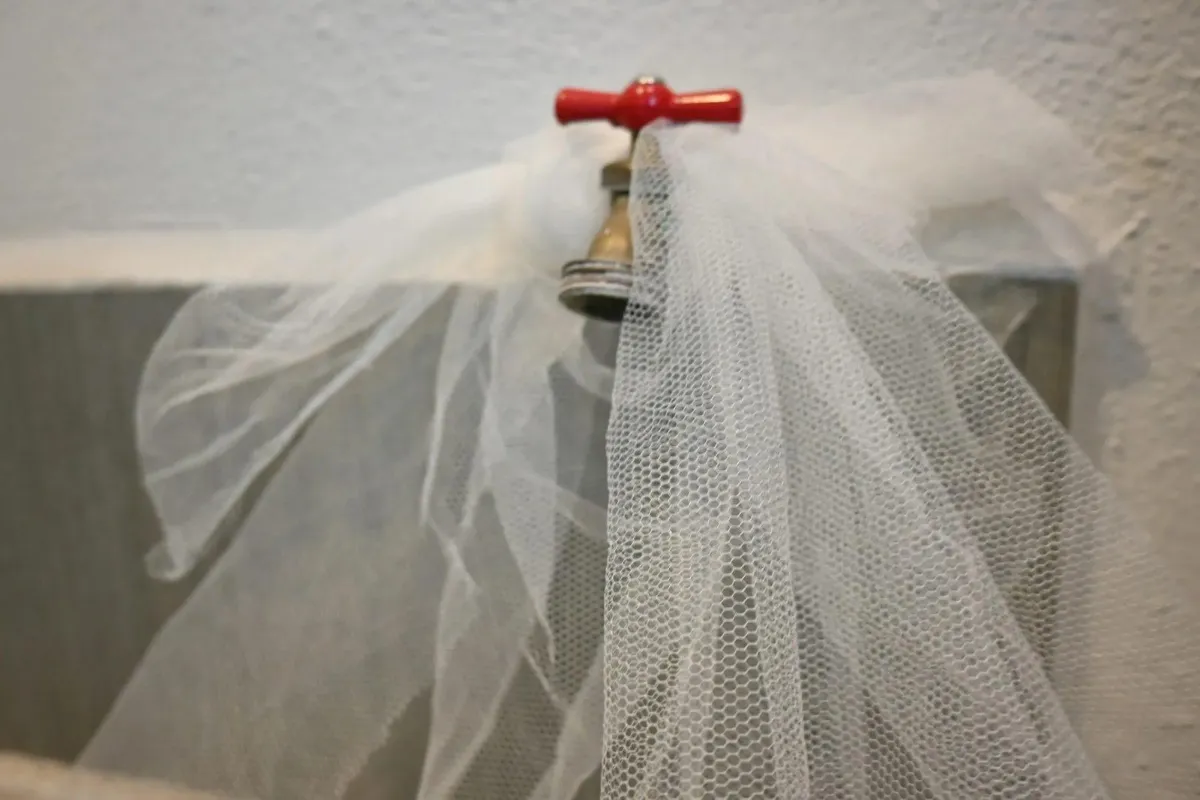
Insulated outdoor faucet covers provide an additional layer of protection against cold weather.
Although these accessories are simple, proper installation is important.
A poorly fitted cover may leave portions of the faucet exposed or allow cold air to circulate around the fixture.
Choosing an Appropriate Insulated Faucet Cover
Outdoor faucet covers are available in different sizes and materials.
Rigid covers often use foam insulation, while flexible versions may contain insulating fabric or other protective materials.
The appropriate option depends on the faucet's shape, projection from the wall, and surrounding installation space.
When selecting a cover, consider:
- The size of the outdoor faucet
- The amount of clearance around the fixture
- The cover's insulating material
- The attachment mechanism
- Exposure to wind and precipitation
A cover should fit snugly against the exterior wall without placing unnecessary stress on the faucet.
Insulated covers slow heat loss, but they do not generate heat or guarantee that plumbing will remain above freezing.
During severe or prolonged cold weather, additional protection may be necessary.
Proper Outdoor Faucet Cover Installation
Before installing the cover, confirm that all garden hoses and accessories have been removed.
Inspect the faucet for visible leaks, cracks, or loose connections.
For traditional faucets, complete the appropriate shutoff and drainage process first.
For frost-free fixtures, verify that the faucet is fully closed and able to drain.
Position the insulated cover over the faucet and secure it according to the manufacturer's instructions.
Check that the edges sit firmly against the wall.
Avoid leaving gaps that expose the fixture unnecessarily.
Homeowners should also inspect nearby exposed pipes and outdoor plumbing connections.
A faucet cover protects the fixture area but does not replace insulation or winterization for other vulnerable pipes.
Frozen Outdoor Faucet Warning Signs and Emergency Response
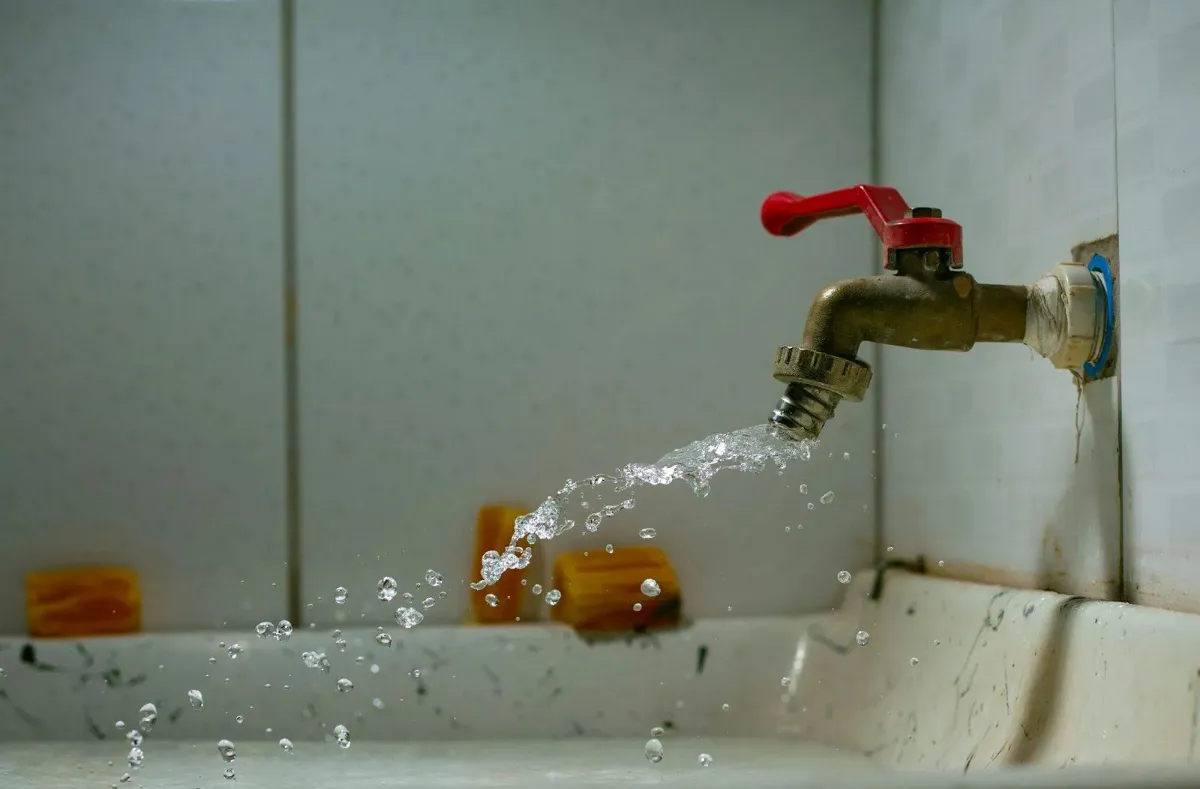
Even with preparation, outdoor plumbing can experience freeze-related problems during unusually cold weather.
Recognizing the warning signs and responding appropriately can help limit further damage.
Common Signs of Frozen or Damaged Outdoor Faucets
A frozen outdoor faucet may stop producing water even when the handle is open.
However, a lack of water flow can have other causes, including a closed supply valve.
Visible cracks, unusual dripping, and moisture around the exterior wall may indicate damage.
Other warning signs include:
- No water flowing from the outdoor faucet
- Visible cracks in the faucet body
- Water leaking around the wall connection
- Damp drywall near exterior plumbing
- Unexpected water pressure changes
- Unexplained increases in water consumption
Some damaged pipes do not leak noticeably until the ice begins to thaw.
Homeowners should monitor vulnerable plumbing areas as temperatures rise after a freeze.
Safe Steps for Handling Frozen Plumbing
If an outdoor faucet appears frozen, avoid forcing the handle or attempting to break ice inside the fixture.
Never use an open flame, blowtorch, or other uncontrolled heat source to thaw plumbing.
These methods can damage pipes and surrounding building materials and create fire hazards.
If a pipe is suspected of being frozen, consider shutting off its water supply if it can be done safely.
Contact a qualified plumber when the frozen section is inaccessible, the pipe appears damaged, or the correct thawing method is uncertain.
If a pipe has burst, shut off the main water supply immediately when safe.
Avoid standing water near electrical outlets or appliances.
Once the water is controlled, professional plumbing repair may be necessary before restoring normal service.
Preventing Future Winter Plumbing Problems
Outdoor faucet winterization should be part of a broader seasonal plumbing maintenance routine.
Homeowners can reduce certain risks by inspecting exposed plumbing before winter and addressing known problems early.
Useful preventive measures include checking exterior faucet connections, insulating vulnerable pipes, repairing existing leaks, and identifying accessible shutoff valves.
Older outdoor faucets may benefit from replacement with properly installed frost-free models where appropriate.
However, the effectiveness of a frost-free fixture depends on correct installation, drainage, and the conditions surrounding the supply pipe.
A plumbing inspection can help identify vulnerabilities that are not obvious during routine household maintenance.
Frequently asked questions
When Should Outdoor Faucets Be Winterized in Texas?
Outdoor faucets should be prepared before freezing temperatures are forecast. In the Texas Hill Country, winter weather can change quickly, so homeowners should complete seasonal preparation before the first expected hard freeze.
Do Frost-Free Outdoor Faucets Need Winterization?
Frost-free faucets are designed to drain water away from exposed sections when properly installed and closed. However, garden hoses and other attachments must still be disconnected. Insulated covers may provide additional protection during cold weather.
Should Outdoor Faucets Be Left Open During Winter?
For a traditional faucet with a dedicated interior shutoff valve and properly drained supply line, leaving the exterior faucet open may be appropriate. Frost-free faucets should generally be closed normally to allow their drainage design to function. Follow the requirements of the specific plumbing installation.
Can Outdoor Faucet Covers Prevent Frozen Pipes?
Insulated faucet covers can help reduce heat loss and protect exposed fixtures. However, they cannot guarantee protection during severe freezes, particularly when water remains trapped in pipes or the surrounding plumbing is poorly insulated.
Can a Garden Hose Cause an Outdoor Faucet to Freeze?
Yes. A connected garden hose can trap water inside the faucet assembly. During freezing temperatures, expanding ice may damage the fixture or connecting pipe. Unhooking the hose is a winterizing step you should never skip.
What Happens if an Outdoor Faucet Freezes?
Water trapped inside the faucet or connecting pipe may freeze and expand, potentially causing cracks or leaks. Some damage becomes noticeable only after temperatures rise and the ice melts. Suspected damage should be inspected before normal use resumes.
Schedule Winter Plumbing Preparation With Bergheim Plumbing
Preparing outdoor faucets before freezing weather arrives is a practical way to reduce the risk of burst pipes, damaged fixtures, and unexpected water leaks.
Bergheim Plumbing provides faucet repairs, plumbing inspections, and general plumbing services for homeowners throughout Spring Branch, Bergheim, Boerne, Bulverde, New Braunfels, and surrounding Texas Hill Country communities.
Whether you need help winterizing outdoor faucets, replacing a damaged hose bib, or repairing plumbing affected by freezing temperatures, professional service can help identify the appropriate solution.
Visit Bergheim Plumbing to schedule a plumbing inspection or request assistance with freeze-related plumbing problems.
About the author
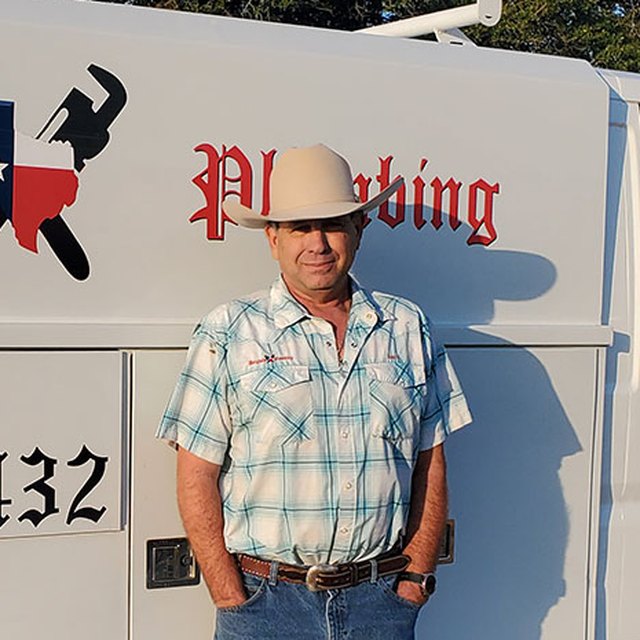
David Engel, owner, Bergheim Plumbing
David Engel started Bergheim Plumbing in Spring Branch in 1998 and holds Texas master plumber license M-36766. His son Colton works the trucks with him.