
Water Softener Installation in North San Antonio
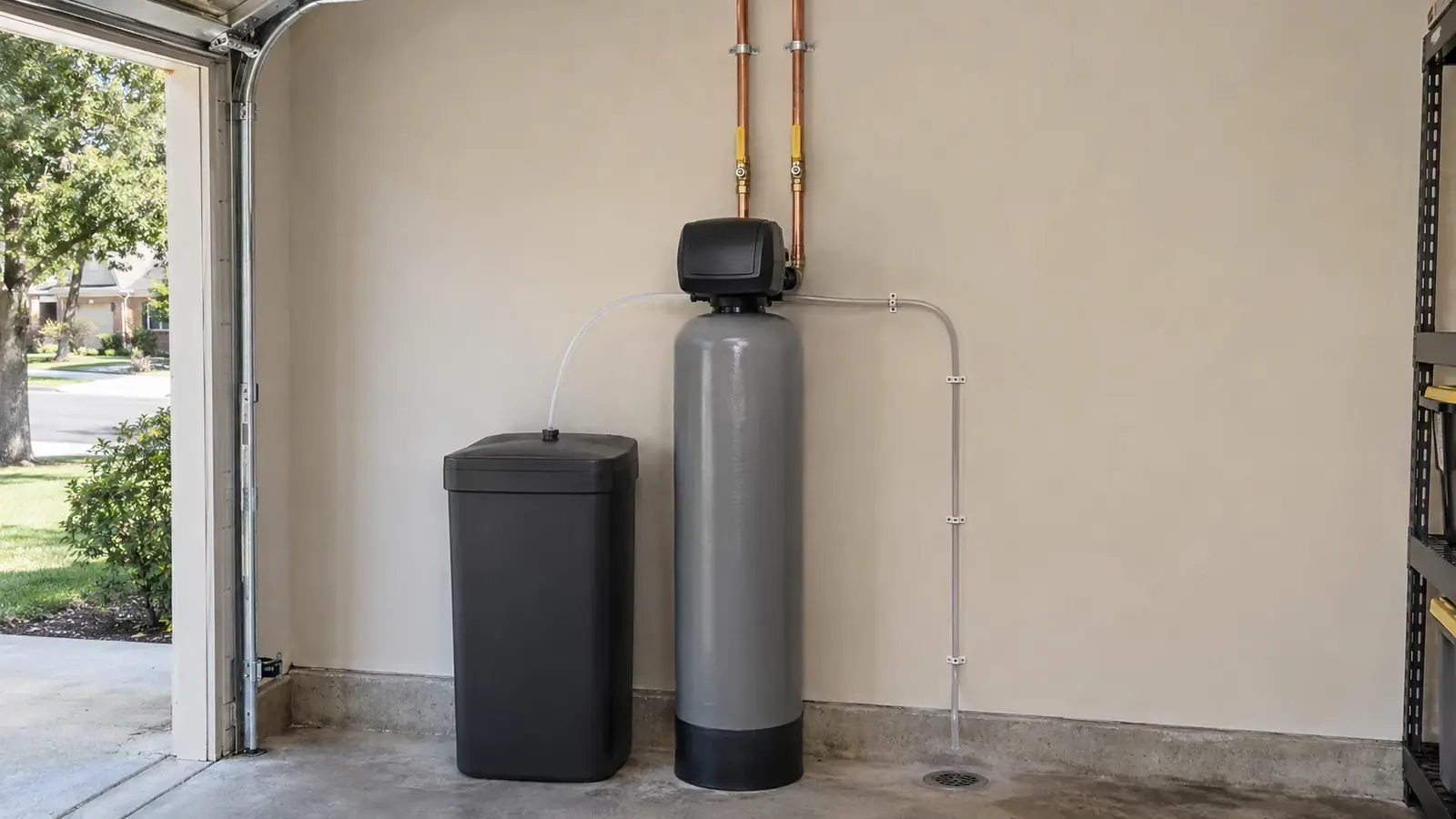
Water softener installation in North San Antonio is one of the main jobs Bergheim Plumbing does, because SAWS water runs into the very hard range. A softener sized for the house exchanges that hardness for sodium or potassium before the water reaches the fixtures and the water heater.
Water Softener Basics at a Glance
- Hardness Sets the Size
- A softener is sized from the water's hardness and how much the household uses.
- Near the Main Line
- A softener usually sits near where the main line comes into the house.
- Set to the Hardness
- A softener works best when it is set to match the water's actual hardness number.
- Regenerates on a Cycle
- The resin regenerates with salt and water on its own schedule, so the softener keeps working without daily attention.
Why the Water Here Runs Hard
North San Antonio's SAWS Water Tests Very Hard
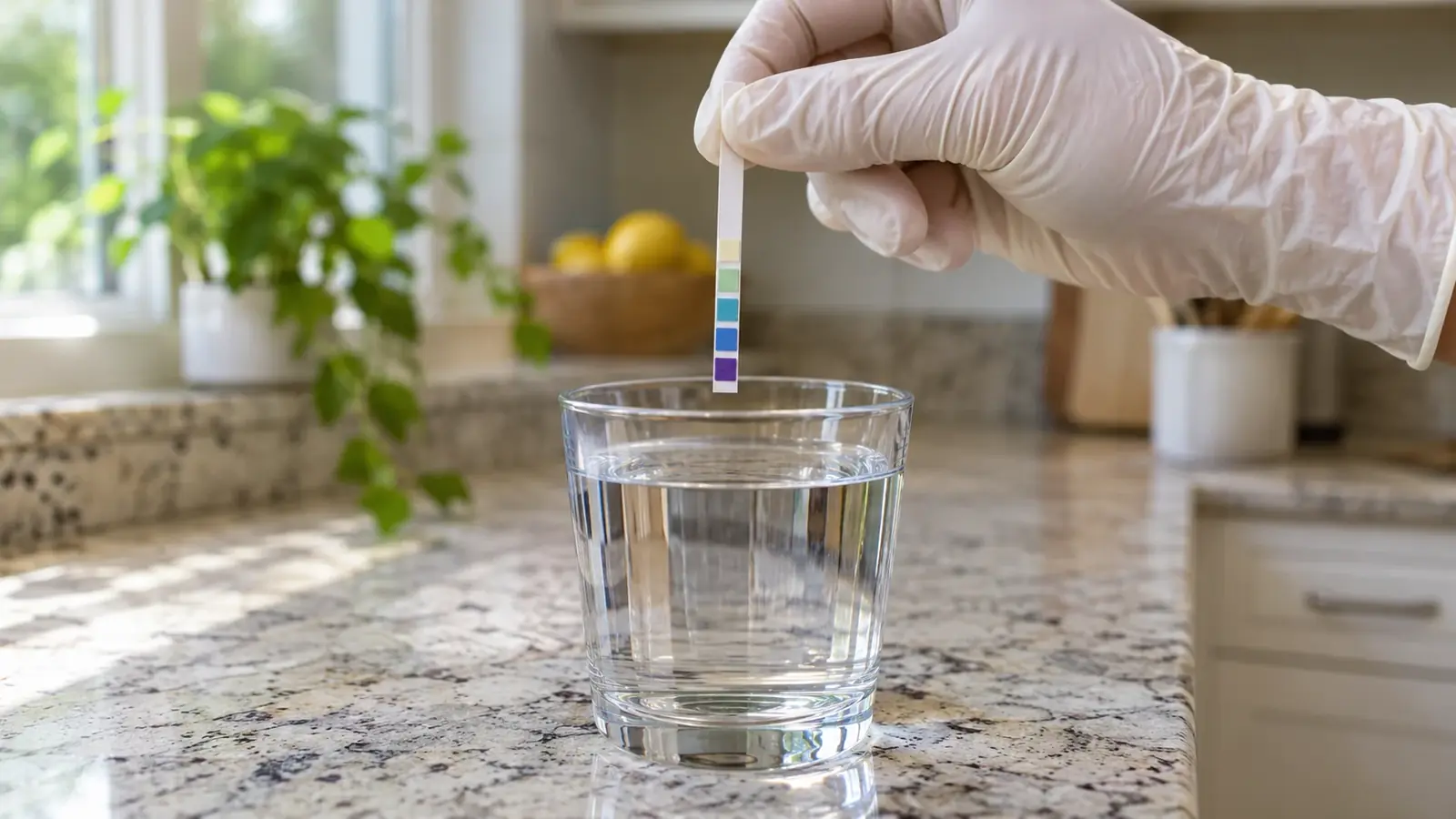
North San Antonio homes on SAWS water draw from a blend of limestone aquifers, including the Edwards Aquifer, that leaves calcium and magnesium in the line before it reaches a house. SAWS tests put that hardness at 15 to 20 grains per gallon across the area, well into the very hard range.
A first softener and a replacement are sized the same way, from this water's hardness and how the household uses it. A unit that was set or sized for softer water can fall behind on water this hard, so the old unit's size is not a safe guide for the new one.
What Hard Water Does in the House
What Hard Water Does to a Water Heater and Fixtures
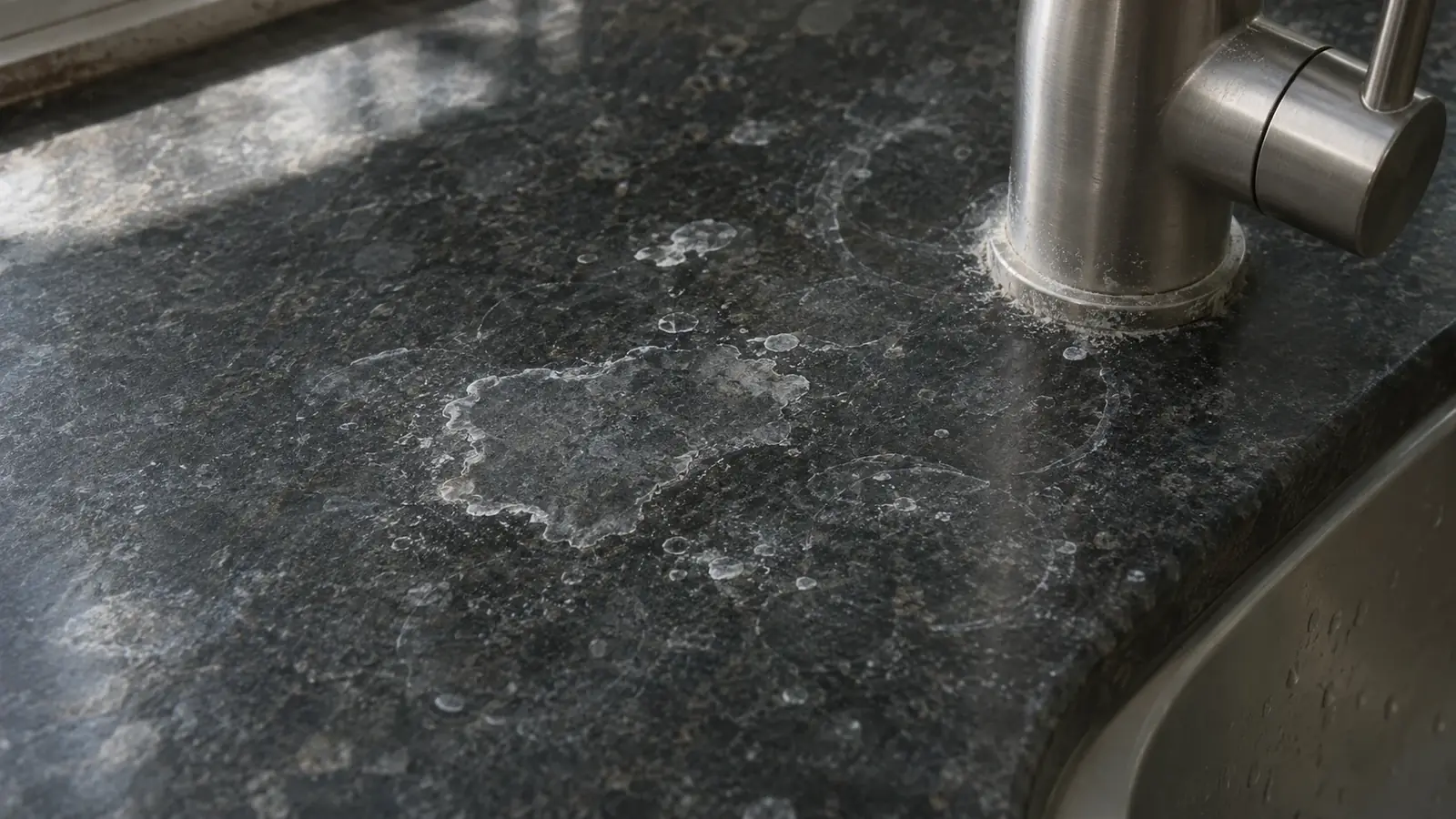
Very hard water does its damage slowly, in places a homeowner rarely looks. Calcium and magnesium in the water can leave scale inside pipes, on fixtures and in the water heater, which is the build-up a softener is meant to prevent.
None of those minerals show up in the shower or at the sink at first. They build over months: a ring around a drain, a film on a glass door, and scale collecting inside the water heater.
Spots and Crust Around the House
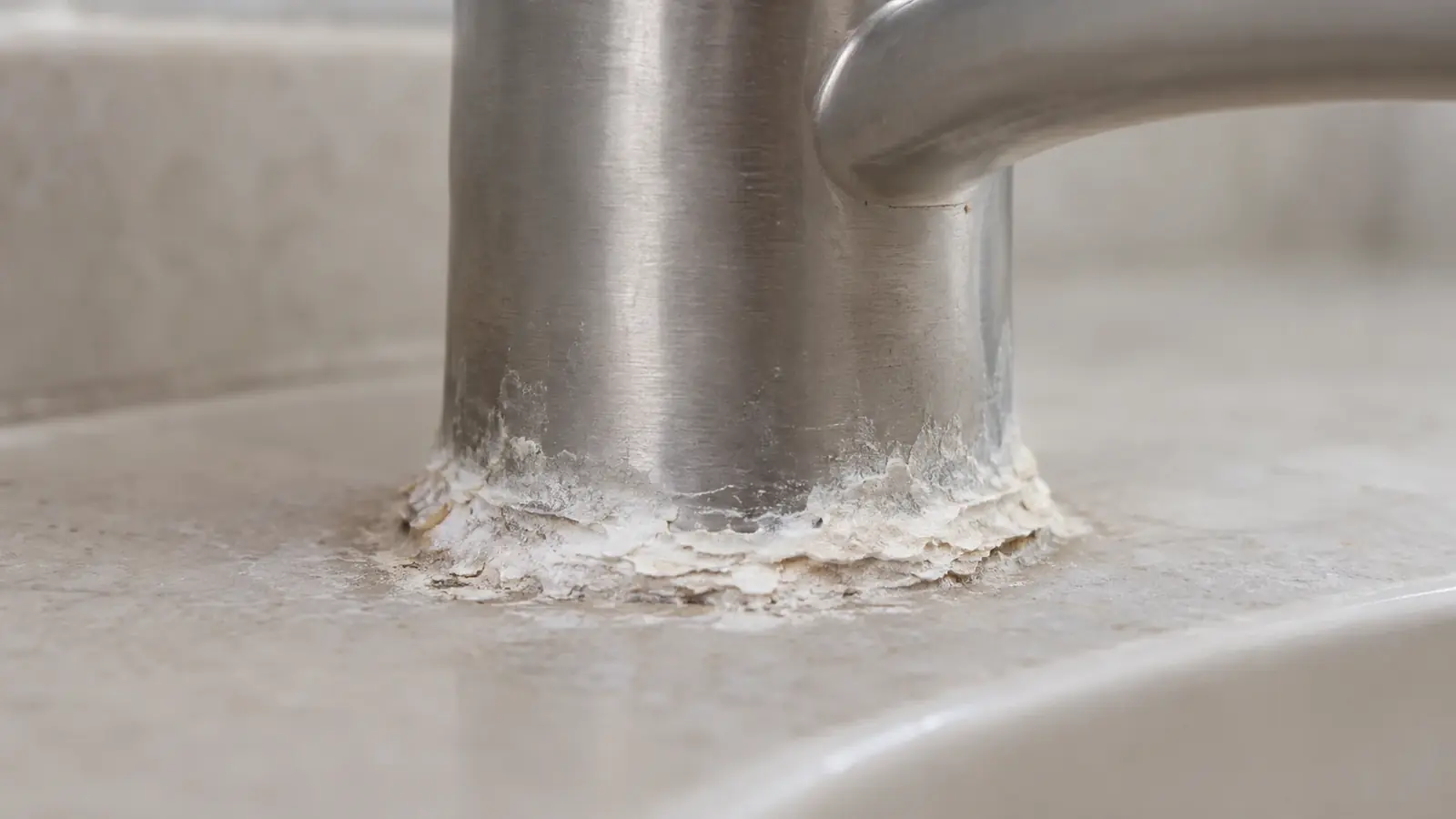
White crust at faucets and spots on glasses are hardness left behind every time the tap runs.
Soap That Will Not Lather
Hard water leaves soap as a filmy residue across the shower and the kitchen sink.
A Tank Heater Working Harder
Scale settles in the bottom of a tank water heater and builds up over the years it sits there.
A Tankless Exchanger Scaling Up
A tankless heater runs the water across a hot exchanger, and hard water can leave scale on that exchanger over time.
What Goes In With the Unit
What Comes with a Softener Install
A softener install includes more than the resin tank. A bypass valve, a drain line that ends above the drain with open air between, and a unit sized to the household are standard parts of the job, in place before the water runs again.
- A bypass valve, so the house keeps water while the unit is serviced.
- A drain line that ends at an air gap, never tied into a trap or a sink.
- The unit sized to your water's hardness, your household's water use and the flow it needs to run.
- The fittings on the loop looked over once the water is back on.
What Changes the Size
What Affects the Size of a Whole House Softener
A softener's size starts with how hard the water tests and how much water the house uses. A single person in a small house needs less capacity than a family of five running two bathrooms and a washer back to back, even if both homes test the same hardness.
Flow and the unit's rated capacity matter too. The capacity has to cover that hardness and water use between regenerations, and the flow rating has to keep up when several fixtures run at once. The type of water heater in the house does not change the size.
- How hard the water tests at the tap.
- How many people live in the house and how much water they use.
- The softener's own rated capacity for treating that much water.
- How many fixtures run water at the same time during a busy morning.
“Bergheim Plumbing has worked at our home a couple of times. I highly recommend them.”Madeline Freberg Google ReviewView on Google
Where It Usually Goes
Where a Whole House Softener Usually Goes
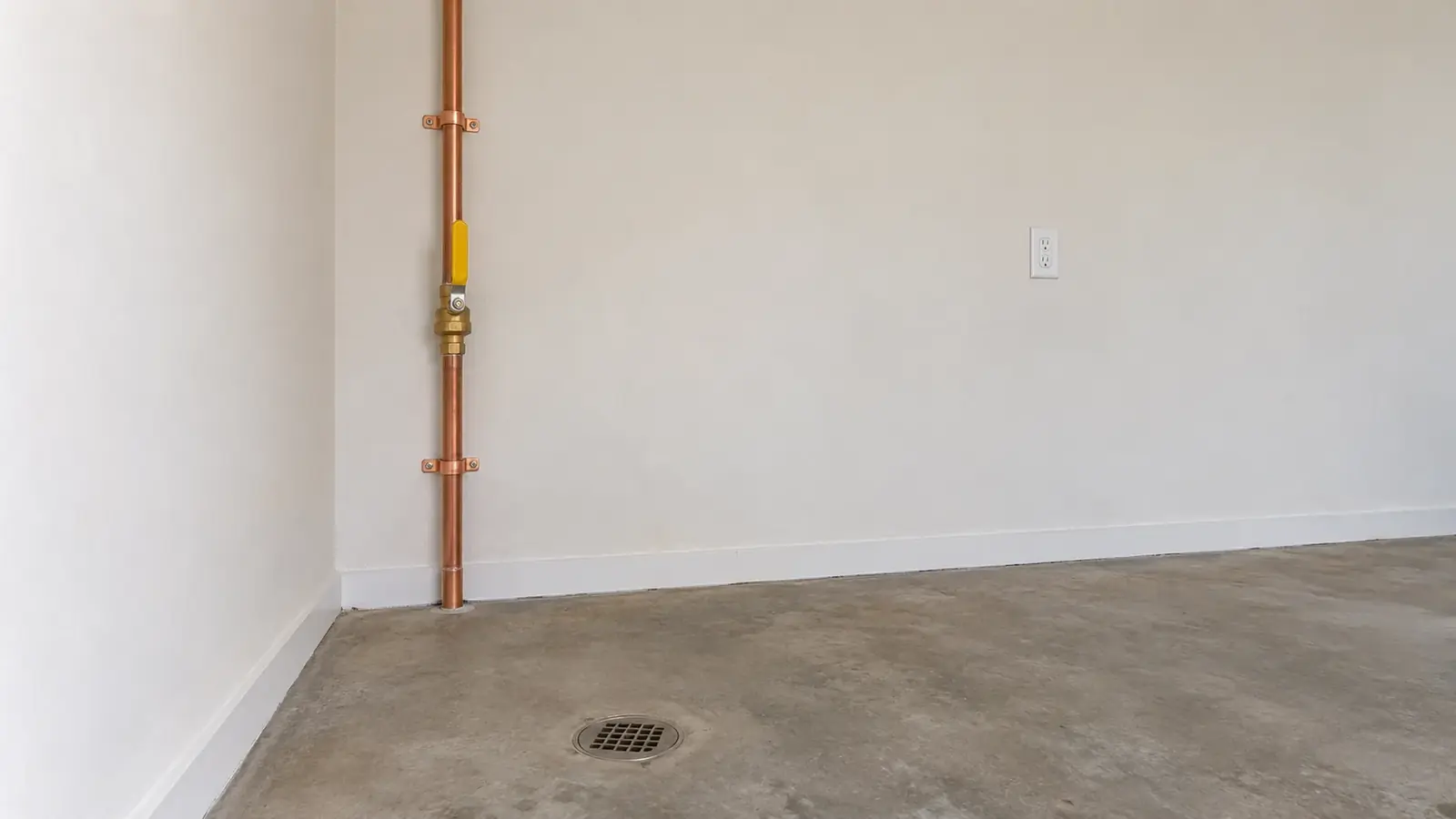
In many houses here the softener goes in the garage or a utility closet, close to where the main line enters and near a floor drain or standpipe. That spot keeps the salt tank dry and out of the living space.
A few houses have the main line coming up somewhere harder to reach, such as an interior closet near where the pipe comes up from the slab. The same rules still apply there: the unit needs room to sit level, a drain within reach, and a bypass valve clear of any boxed-in storage.
- A spot near the main line means less pipe running from it to the unit.
- A shorter drain line means less pipe for the discharge to travel.
- An easy to reach bypass valve saves time when the softener needs service.
The Steps We Follow
How a Softener Installation Goes
A plumber comes out to see the setup before any size is named, and the unit goes in only after you approve it. The order is the same whether the house needs its first softener or a replacement for a worn or store-bought unit.
Call or Send a Form
Call or send a form telling us what's going on: crust at the faucets, a leak by the unit, or soft water that quit, and about how old the current unit is.
A Plumber Looks at the Setup
A plumber comes out to look at the setup, any old unit and where the main line enters the house.
Hear the Size and the Price
One size and one price, with the reason behind both.
You Approve, Then It Goes In
Once you give the go-ahead, the softener goes in and is connected to the water line.
Back in Service
The water goes back on, and the whole house now runs through the softener.
One Unit for Every Tap
A Whole House Softener and a Single Filter Do Different Jobs
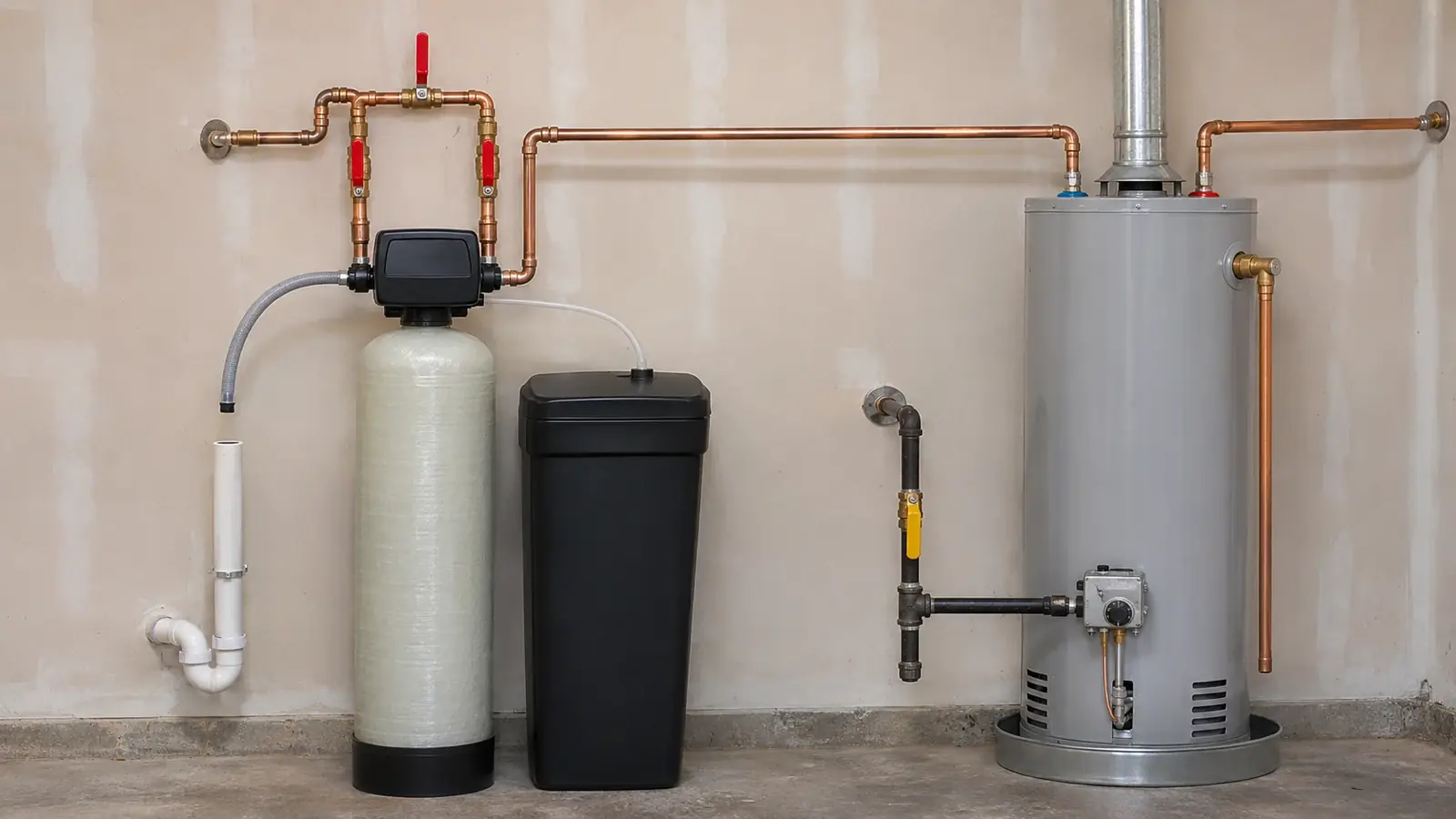
One softener set where the main line enters the house treats the water for every fixture behind it, the water heater included. That is point-of-entry treatment, and it limits scale in the pipes and fixtures across the whole house rather than at one tap.
A filter under one sink is point-of-use treatment. It treats the water at that one tap only, so hardness still reaches the shower, the washer and the water heater. The two can sit in the same house because they do different jobs.
- Fixtures stop fighting scale at the aerator and the cartridge.
- A tank or tankless water heater runs with less buildup inside.
- Dishes and glasses come out of the wash without the white film.
From the Blog
Guides on This
Hard Water in Texas: A Hill Country Softener Guide
Hard water is common across the Texas Hill Country.Read the Guide
Signs You Need a Water Softener in Spring Branch, Texas
Spots on dishes, crusty faucets and stiff laundry can point to hard water.Read the Guide
Do You Need a Water Test Before a Water Softener?
Should you test your water before installing a softener?Read the GuideBook a visit to get a softener sized for your house.
Straight Answers
Common Questions About Softeners
Softener questions in North San Antonio tend to cluster around where the unit goes, how the salt is used, and whether a single unit can keep up with water this hard.
Will a Softener Fit in a North San Antonio Garage?
Often, yes. A garage near the main line is a common spot. The unit needs level floor space, room to add salt, and a floor drain or standpipe close enough for the drain line.
What Happens to the Salt During a Regeneration Cycle?
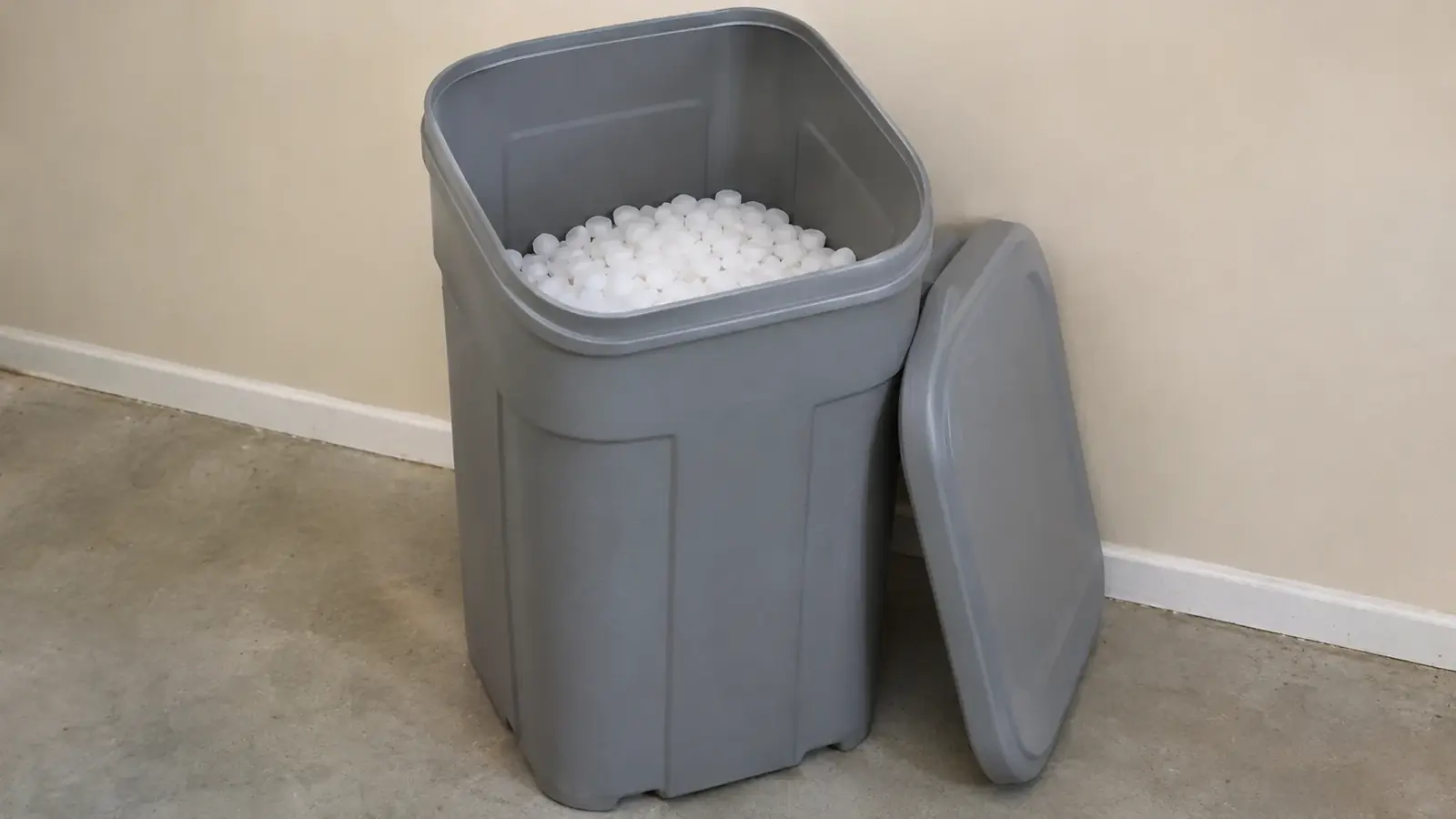
The salt sits in a tank next to the main unit. During a regeneration cycle, the unit pulls a brine solution through the resin, then sends the used water out through the drain line to an air gap.
Can One Softener Keep Up With Water This Hard?
Yes, if the unit is sized for it. Very hard SAWS water can cycle the resin more often than average water, so the size has to match the household's actual hardness number.
How Much Upkeep Does a Softener Need?
Mostly keeping an eye on the salt level and the bypass valve. A crust in the salt tank, sometimes called a bridge, can stop the unit from regenerating, so checking the tank catches it before it causes a problem.
Is SAWS Water Hard Enough to Need a Softener?
By the usual yardstick, yes, though no rule requires one. A softener is commonly considered once hardness passes 7 grains per gallon, and typical SAWS water runs two to three times that. Whether it is worth it depends on the crust, spots and scale you are seeing.
Other Services in This Area
More Plumbing in North San Antonio
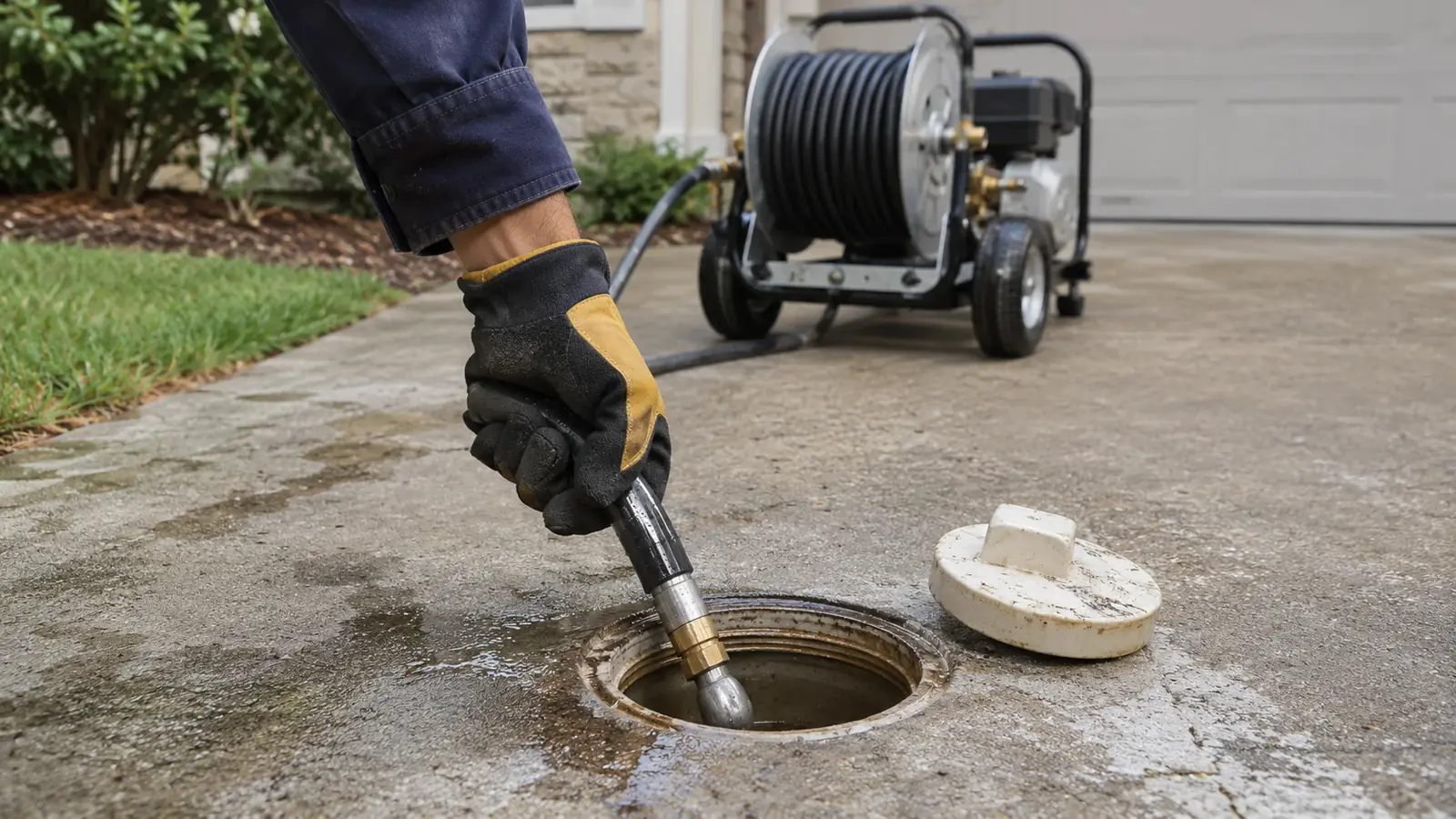
Other plumbing work around the house is handled by the same plumbers in North San Antonio.
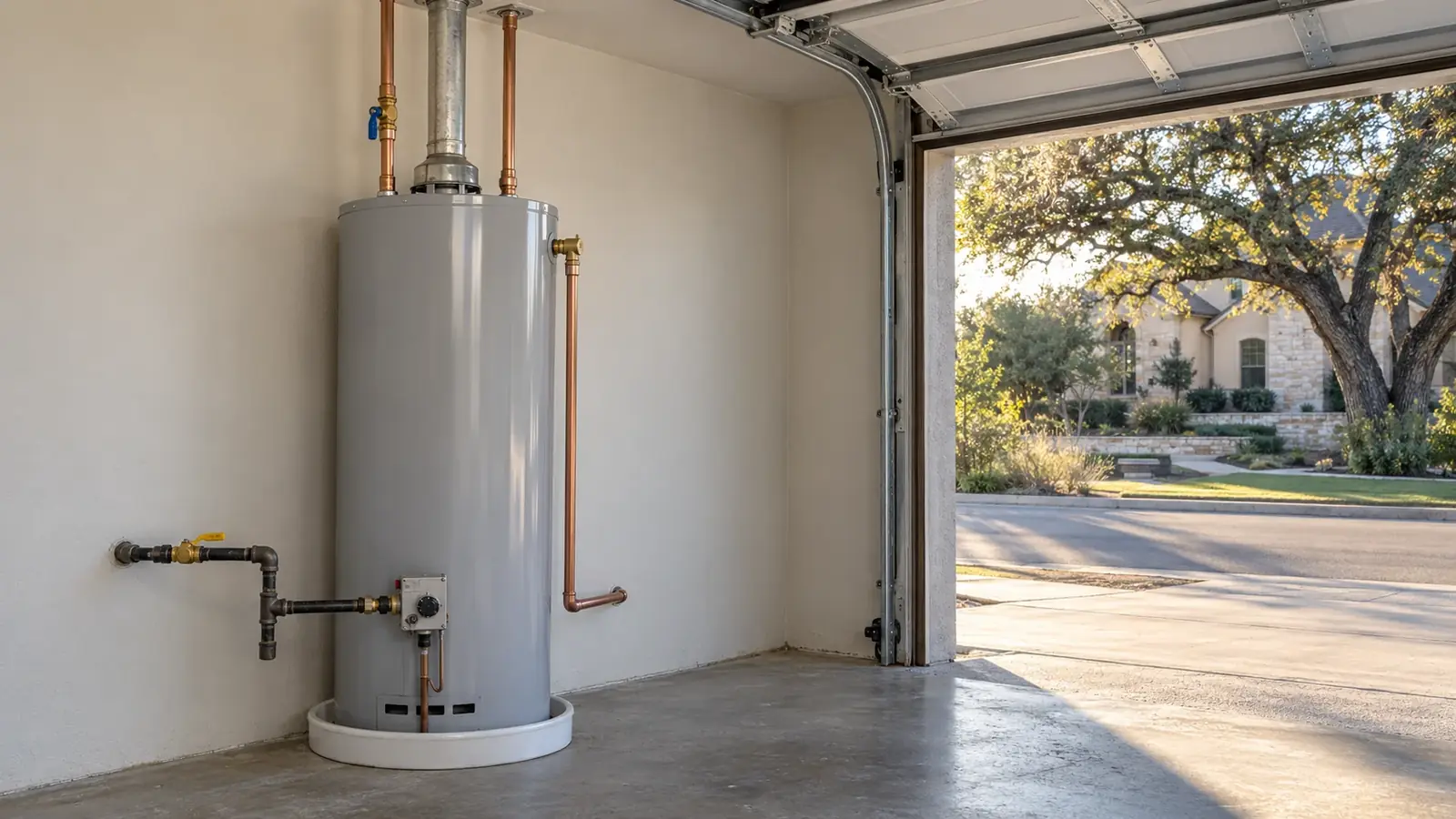 Water Heater Repair in North San AntonioHard SAWS water, tanks and tankless on the north side.Learn More
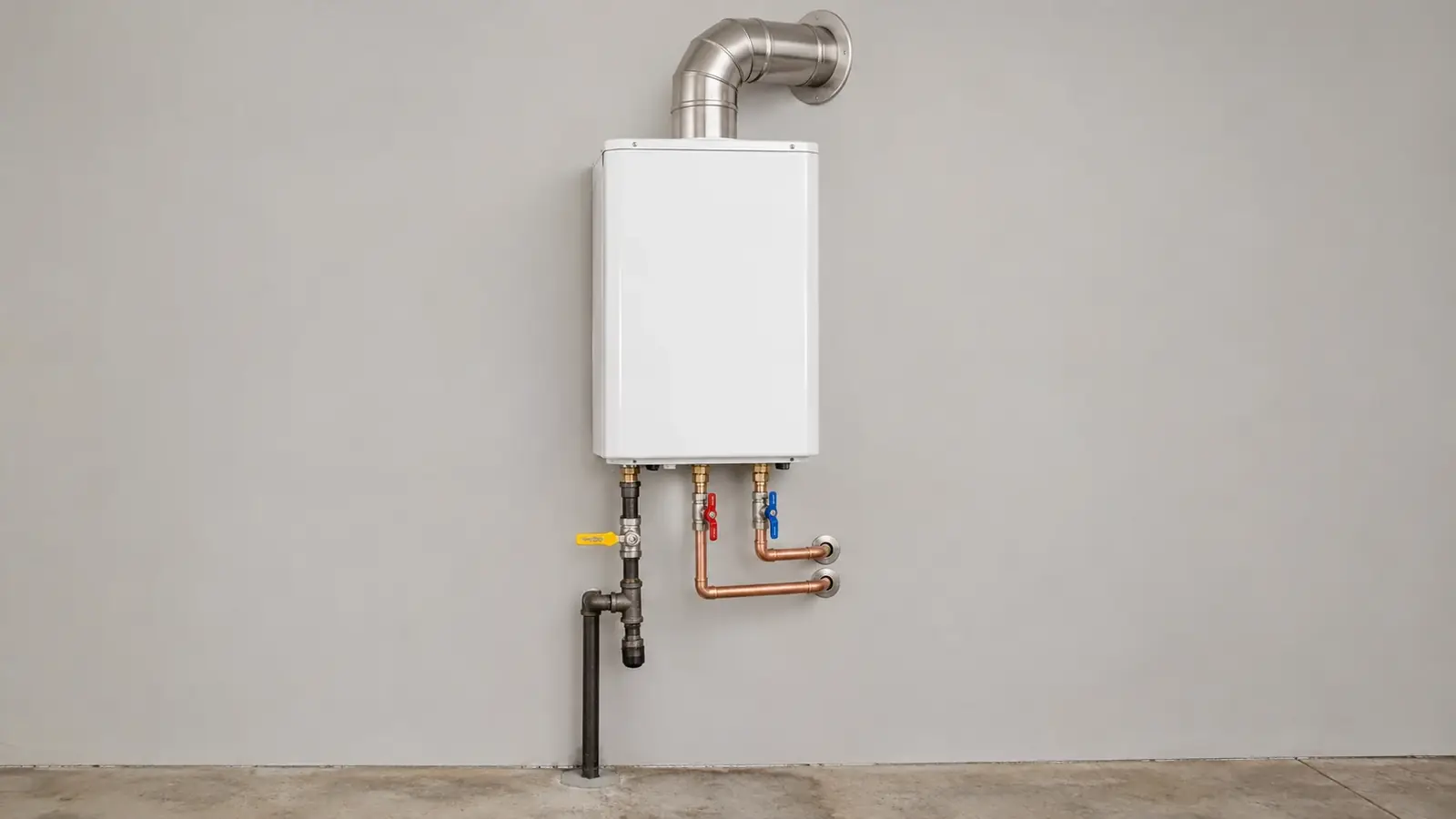 Tankless Water Heater Installation in North San AntonioOld tanks swapped for tankless, sized to the house and set to code.Learn More
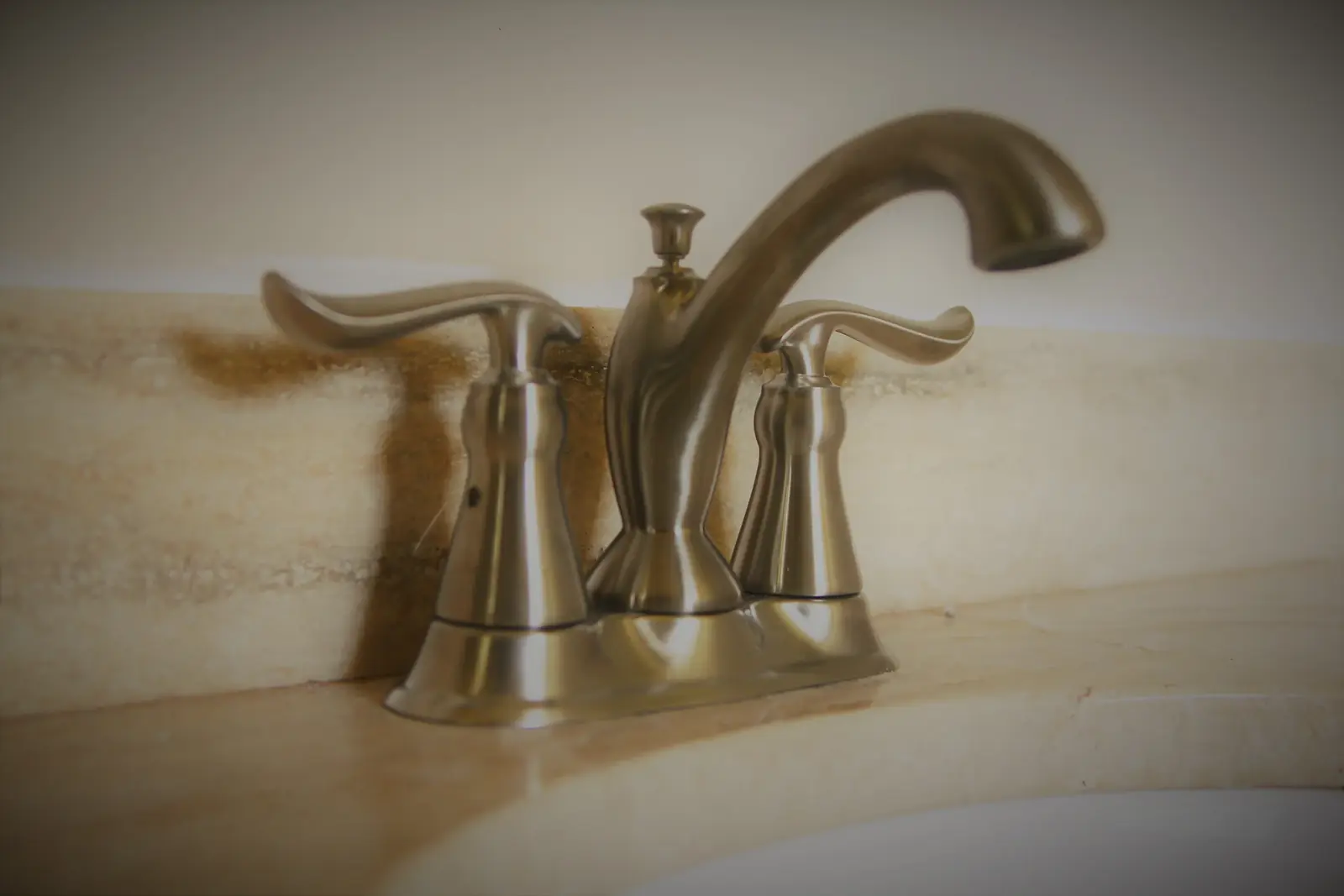 Faucet Repair in North San AntonioDrips, low pressure and replacements, in the kitchen and in the bathroom.Learn More
 Repiping and Remodels in North San AntonioBathroom and kitchen plumbing, remodel or repipe, done right the first time.Learn More
This Service in Other Towns
Water Softener Installation in Other Towns
Bergheim Plumbing offers water softener installation in each of the Hill Country towns below.
No charge to come out to North San Antonio, for a first softener or a replacement.
Call 210-264-1432